
Related Content
Videos
Discover... ISAE-SUPAERO's mobile ground robotsISAE-SUPAERO - as a center for training through research, research training and innovation - has a wide range of research equipment used in its 6 research departments. Today, we'd like to introduce you to mobile ground robots! Whether robots, airplanes, cars or even telephones, all these technologies are equipped with perception systems. Depending on the application, these sources of information make it possible to perceive the environment in which a system is evolving, and also to measure its own characteristics, such as speed or acceleration. This multitude of data must then be used, cross-referenced and interpreted within the navigation system to obtain the vehicle's position, but also, in the case of mapping applications, that of surrounding objects. Within the DEOS NAVIRRES team, researchers are interested in navigation systems and their application in complex environments where sensor information may be degraded, erroneous or unavailable. Mobile acquisition platforms are being developed. These are equipped with cameras, lidars, GNSS (Global Navigation Satellite System) receivers, radars and inertial units, with the aim of obtaining the most efficient navigation system for the application in question. One of the team's research themes is the analysis of the degradation of sensor information, enabling the development of new robust and adaptive algorithms to compensate for environmental constraints. The aim is to make navigation systems more accurate and safer, for critical applications requiring strong reliability constraints, such as autonomous cars or exploration robotics.
DEOS
Pages
ResearchAt ISAE-SUPAERO, we conduct cutting-edge research in the service of innovation, technological sovereignty and the ecological transition of the aerospace sector, thereby affirming our role as a leading player in the scientific and industrial community.
DAEP
DCAS
DEOS

Events
ISAE Group Virtual ForumDefense & Security Engineer
Event
Ingénieur généraliste (MSc)
Events
"Les Entretiens de Toulouse - Training through debate”: April 9 & 10, 2025 on the ISAE-SUPAERO campus"Les Entretiens de Toulouse" has become a must-attend event for the aerospace industry. A forum for the exchange and transmission of skills, this training through debate provides an opening onto subjects with high industrial stakes. The 2025 edition of the Entretiens de Toulouse will take place on April 9 & 10, 2025, in person, at ISAE-SUPAERO!
Aeronautics
Artificial intelligence
Defence
Pages
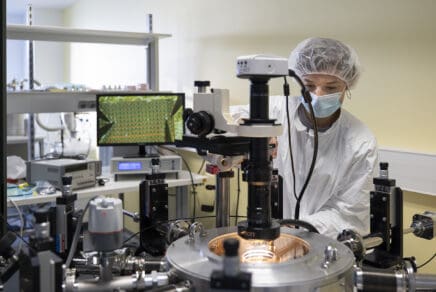
Integrated Image Sensors (CIMI) Scientific GroupThe “Integrated Image Sensors” (CIMI) scientific group, develops and characterizes active-pixel image sensors (CMOS Image Sensors (CIS)) on silicon for visible and infrared radiation.
DEOS
Doctoral student
PhD
News
ICAO (International Civil Aviation Organisation) Congress: Laurent Joly, Deputy Director of Research at ISAE-SUPAERO, talks about the Institute's commitmentsEvent
Sustainability
News
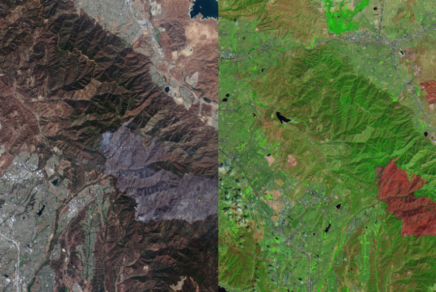
Researchers from ISAE-SUPAERO contributed to the success of the first images from ESA's Sentinel 2c observation satellite.The Sentinel 2c Earth observation satellite, launched on 5 September as part of ESA's Copernicus mission, has delivered its first images. This success is partly due to the image sensor research team (CIMI) at ISAE-SUPAERO, which designed and oversaw the manufacture of the visible image sensors.
DEOS
Space
Videos
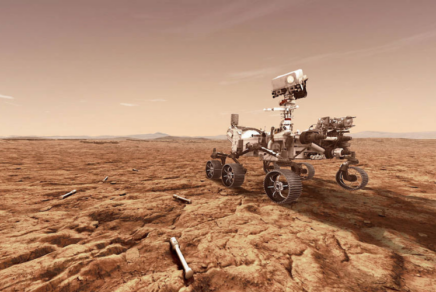
Perseverance collects first Martian sounds: explanation by Dr. Naomi Murdoch & Dr. Alexander StottDr Naomi Murdoch, researcher in space instrumentation and planetary science, and Dr Alexander Stott, post-doctoral fellow, tell us more about the physical characteristics of Mars' atmosphere, in particular the speed of sound and its attenuation. These analyses were published in Nature on April 1, 2022 by an international team led by a teacher-researcher from Toulouse III - Paul Sabatier University, and including scientists from CNRS and ISAE-SUPAERO.
DEOS
Researcher
Space
Events
2026 edition of "Les Entretiens de Toulouse"Aeronautics
Aerospace
Event
Videos
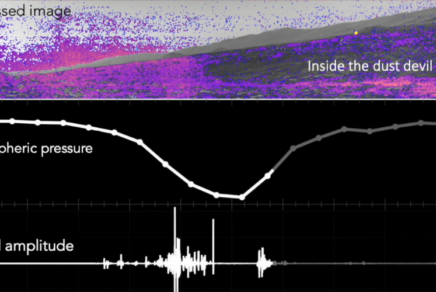
The sound of a Martian dust devil captured by the SuperCam microphone on PerseveranceThis video and audio show the results obtained by NASA's Perseverance Mars rover and its SuperCam microphone when recording the sounds of a Martian dust devil passing overhead on 27 September 2021, the 215th Martian day or sol of the mission. The dust devil was 25 metres wide and at least 118 metres high, moving at a speed of approximately 19 km/h. This is the first time such a recording has been made, as capturing a dust devil requires a bit of luck. Indeed, it flew over the rover at a time when all of Perseverance's sensors measuring wind, pressure, temperature and dust, plus the NavigationXXX (Navcam) camera, were running. This allowed scientists to combine sounds, images and atmospheric data. The unique combination of this data, along with atmospheric modelling, enabled researchers to estimate the dimensions of the dust devil. Scientists cannot accurately predict when these vortices will occur. Rovers such as Perseverance and Curiosity monitor them regularly. When scientists notice that they are more frequent at a certain time of day or approaching from a certain direction, they focus their monitoring to try to capture a dust devil with all the sensors at their disposal. > To better understand the video, it shows three rows of images: - the row
DEOS
Researcher
Space
Pages
Photonics Antenna Microwave PlasmaA (PAMPA) Scientific GroupThe “Photonics Antenna Microwave PlasmaA” (PAMPA) scientific group is interested in electromagnetism in the fields of microwaves and photonics, as well as wave-plasma interactions.
DEOS
Doctoral student
PhD
Events
Les Assises du New Space 2025: discussions and debates on NewSpace!The 2025 edition of the Assises du New Space will be held this year on July 8-9, 2025 at the Centre des congrès de la Villette - Cité des sciences et de l'industrie in Paris. Aimed at all players in the French space ecosystem, this event is a unique opportunity to exchange ideas and debate around NewSpace, and to discover the latest technological innovations and project financing opportunities. Registration is now open!
Conference
Event
Round table

Events
"Futurs Proches" FestivalEvent
Sustainability
Videos
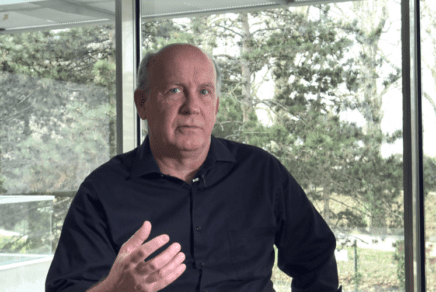
Visiting professors at ISAE-SUPAERO: DAN SCHEERESISAE-SUPAERO est un établissement d'enseignement supérieur axé sur la recherche et l'innovation, qui s'engage à concilier excellence scientifique, visibilité académique et proximité avec les objectifs industriels. Ses activités de recherche ont contribué à faire de l'école un leader international non seulement en termes de programme d'ingénierie aérospatiale, mais aussi de programmes de troisième cycle, notamment ses masters (MSc) et ses programmes de doctorat en sciences de l'ingénierie. C'est pourquoi de nombreux acteurs internationaux clés de la recherche rendent visite à leurs homologues de l'ISAE-SUPAERO. Nous avons rencontré Dan Sheeres, professeur émérite de l'université du Colorado et titulaire de la chaire A. Richard Seebass au département des sciences de l'ingénierie aérospatiale Ann et H.J. Smead de l'université du Colorado à Boulder. Les recherches de Dan Scheeres couvrent des sujets allant de l'astrodynamique et de la navigation spatiale à la science planétaire et à la mécanique céleste, et il a publié de nombreux articles dans ces domaines. L'astéroïde 8887 a été baptisé « Scheeres » en reconnaissance de ses contributions à la compréhension scientifique de l'environnement dynamique des astéroïdes. Pendant son séjour à l'ISAE-SUPAERO, le professeur Scheeres et l'équipe des systèmes spatiaux pour les applications planétaires ont collaboré à l'analyse des données DART et au développement de concepts visant à étudier la structure interne des astéroïdes lors de futures missions spatiales. De plus, Dan Scheeres et l'ISAE-SUPAERO ont publié conjointement plusieurs articles dans « Nature » sur les astéroïdes et la mission DART.
DEOS
Researcher
Space
News
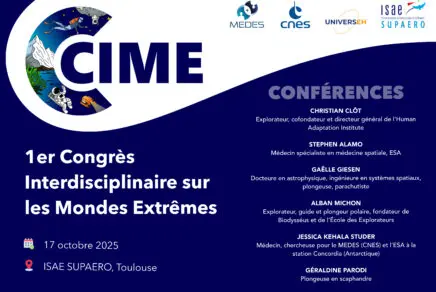
CIME 2025: where science and adventure meet to explore extreme worldsFirst Interdisciplinary Conference on Extreme Worlds at ISAE-SUPAERO: from hostile environments to collaborative research
Congress
Pages
Space Systems for Planetology and Applications (SSPA) Scientific GroupThe “Space Systems for Planetology and Applications” (SSPA) scientific group focuses on one main area of research: The development of missions and associated technologies for geophysical exploration of the solar system.
DEOS
Doctoral student
PhD

News
ISAE-SUPAERO Researchers Receive IEEE NSREC 2025 Outstanding Paper Award for Advance in Space Imaging Sensor PhysicsResearchers from ISAE-SUPAERO and their partners have received the Outstanding Conference Paper Award at the IEEE (Institute of Electrical and Electronics Engineers) Nuclear and Space Radiation Effects Conference 2025 (NSREC) in Nashville, Tenessee, the most important international conference dedicated to radiation effects in electronic systems for space and nuclear applications.
DEOS
Prize
Research
Events
16th EASN International ConferenceAeronautics
Aerospace
Event

News
Pride, excellence and spirit of promotion: ISAE-SUPAERO is preparing to celebrate its 2025 graduates!Our 2025 graduation ceremonies will celebrate excellence and community pride on 6 December 2025, honouring more than 600 graduates from our programmes, accompanied by distinguished guests and numerous prestigious awards.
Award
Event
News
2027 ISAE-SUPAERO Open DayYou used to join us in the fall for our Open Day. The ISAE-SUPAERO Open Day has a new date!
Aerospace
Event
Open day
Events
Interdisciplinary Congress on Extreme Worlds - CIMEDo you work in or on extreme environments? Come and take part in the first edition of the Interdisciplinary Congress on Extreme Worlds (CIME)!
Congress
Research
Science
News
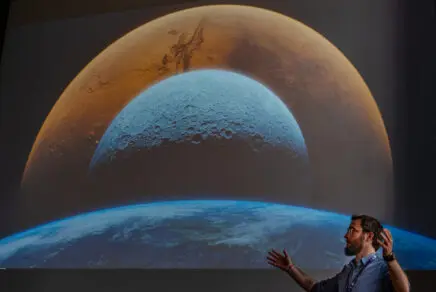
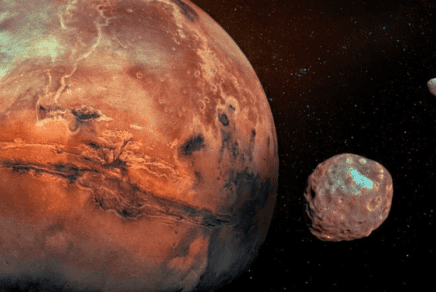
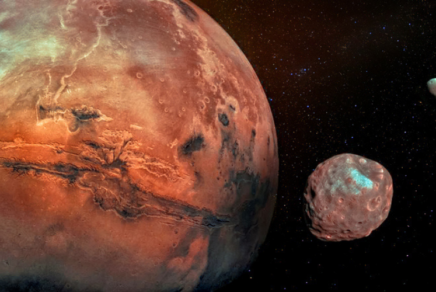
MMX, Idefix® and cameras to understand Mars' moonStudying the formation and origin of Mars' moons and bringing back samples: this is the extraordinary, ambitious international mission led by JAXA, in which ISAE-SUPAERO is participating alongside CNES.
DEOS
Researcher
Space
News
2026 Partner KickoffEvery year, the Partner Kickoff brings together ISAE-SUPAERO and the companies that contribute to the Institute’s activities and support its students. Organized by the Corporate Relations and Alumni Department, this event provides a unique opportunity to share the latest news from the school, present updates on engineering programs, discuss student employability, and align corporate needs with evolving career trends.
Company
Event
Partner
News
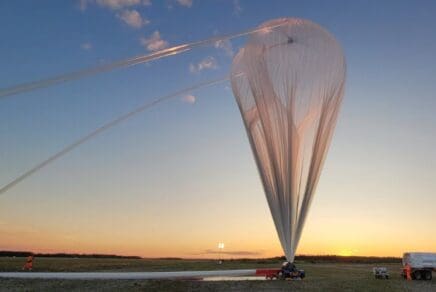
Unlocking the secrets of earthquakes with stratospheric balloonsA team of DEOS researchers has achieved a significant milestone in the use of infrasound data captured by stratospheric balloons to understand seismic signals. This breakthrough, published in Earth Planets Space*, opens up new perspectives for the study of earthquakes, both on Earth and on other planets.
DEOS
Researcher
Science
News
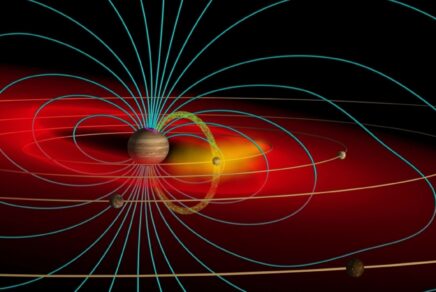
The Jupiter system: a unique laboratory for a major scientific breakthroughNicolas André, teacher-researcher at ISAE-SUPAERO, co-authors a major discovery in Nature Communications.
DEOS
Exploration
Space
Pages
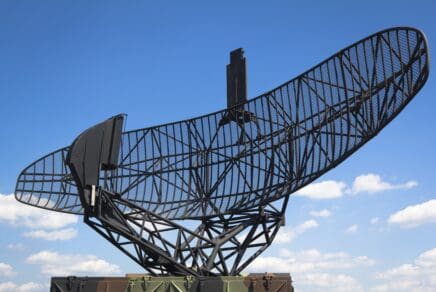
Communication and Information Theory (ComiT) Scientific GroupThe “Communication and Information Theory” (ComiT) scientific group is involved in the disciplines of digital communications, radar, and channel access techniques. Its fields of application include space systems, civil and military aviation, terrestrial cellular networks and the Internet of Things (IoT).
DEOS
Doctoral program
Doctoral student
News
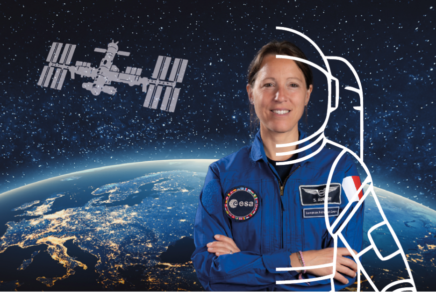
Sophie Adenot Returns to EarthSophie Adenot, an ESA astronaut and ISAE-SUPAERO engineering graduate, is back on Earth after spending nearly 8 months on the ISS for her Epsilon mission.
Alumni
Event
Space

News
Historical Discovery: Mercury Does Indeed Have Electron Radiation BeltsAn international team of researchers, including a scientist from ISAE-SUPAERO, has just published a study in the journal "Nature Astronomy" revealing the existence of electron radiation belts around Mercury. This discovery, based on an analysis of data from the MESSENGER mission and supported by previously unpublished observations from the BepiColombo mission’s MEA (Mercury Electron Analyzer) instrument, sheds new light on the physics of planetary magnetospheres and raises major challenges for the protection of space missions.
DEOS
Research
Space
News
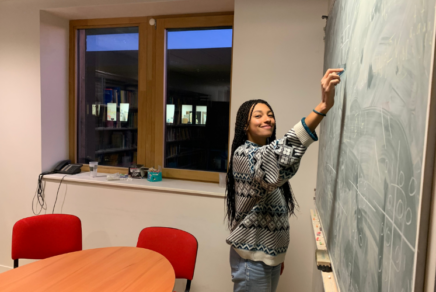
Focus on... quantum physics at ISAE-SUPAERO: a student journeyISAE-SUPAERO has been integrating quantum physics into its training and research activities uninterruptedly since 1980, and for the past two decades has been offering courses linked to the second quantum revolution.
DEOS
Doctoral student
Ingénieur généraliste (MSc)
Videos
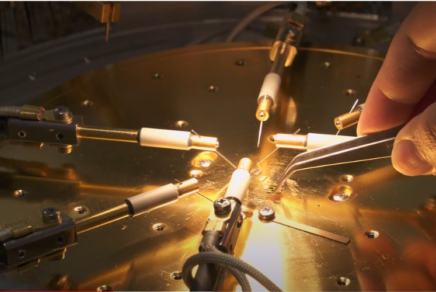
Discover... ISAE-SUPAERO's cryogenic equipment for electrical testingISAE-SUPAERO - as a center for training through research, research training and innovation - has a wide range of research equipment used by its 6 research departments. Today, we present our cryogenic equipment for electrical testing! ISAE-SUPAERO's image sensor research group (CIMI) studies sensors in the visible wavelength range, but also sensors in different spectral ranges such as infrared. Detection of these longer wavelengths requires materials other than silicon for detection, combined with a silicon readout circuit for information processing, all operating at cryogenic temperature. In this context, ISAE-SUPAERO has developed electrical and electro-optical characterization benches for low-temperature microelectronic circuits, in order to extract and model their behavior and performance. These characterization benches can address both very simple circuits, such as transistors, and complex components (complete sensors) with up to 120 inputs/outputs.
DEOS
Videos
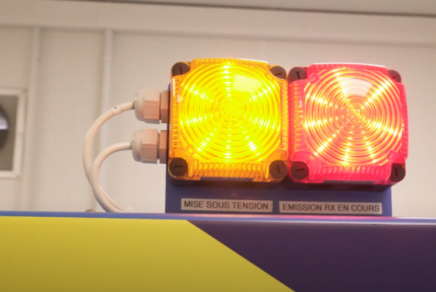
Discover... the ISAE-SUPAERO irradiatorISAE-SUPAERO – as a centre for training through research, research training and innovation – has a wide range of research equipment used within its six research departments. Today, we present the irradiator! As part of its research activities, ISAE-SUPAERO develops electronic components and systems for scientific and space applications. Space is a very aggressive environment, particularly because high-energy particles emitted by the sun or trapped in radiation belts threaten the health of astronauts, the properties of materials and the proper functioning of electronic chips. In order to reproduce the effects of this ionising radiation on electronic technologies in the laboratory, ISAE-SUPAERO has acquired an X-ray irradiation chamber with an energy of up to 320 keV. This video shows a typical use of this equipment: an electronic component to be tested is placed in the irradiation chamber, the X-ray tube is switched on, and the effects on the component's operation (in this case, an image sensor) are observed and measured in real time.
DEOS

Events
Forum ICAM 2026Company
Event

News
« Académie Spatiale de Défense »: A Day of Strategic Reflection on the Future of SpaceOn May 19, 2026, ISAE-SUPAERO and its partners at the Defense Space Academy hosted and organized a day of discussions focused on France’s National Space Strategy. Bringing together government decision-makers, industry representatives, researchers, and military officials, this event provided an opportunity to pool expertise and foster collective reflection on the major challenges of sovereignty, training, and strategic autonomy in the space sector.
Defence
Event
Space
Videos
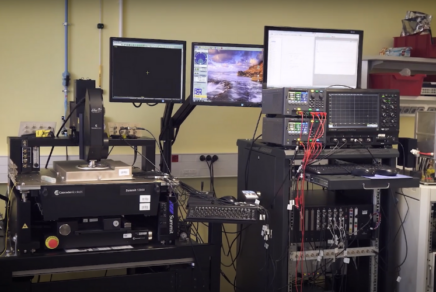
Discover... CMOS image sensors at ISAE-SUPAEROISAE-SUPAERO - as a center for training through research, research training and innovation - has a wide range of research equipment used in its 6 research departments. Today, we present CMOS image sensors! CMOS image sensors are playing an increasingly important role in our everyday lives. For several years now, our team at ISAE-SUPAERO has been developing CMOS image sensors with a number of players in the field, and innovating by proposing new architectures and conditions of use requiring studies of both elementary components and more complex structures. Measurements are carried out on transistors and diodes with the help of an under-tip tester and a parametric analyzer enabling very low current measurements (10 aA). Similarly, simple structures containing innovative pixels can be operated with the tester using spike cards coupled to a word generator specially designed for image sensors. All these studies not only contribute to our understanding of the physics of photodetection, but also provide models for our simulators. They are also used to monitor manufacturing processes during the various production phases.
DEOS

Events
The "Assises du NewSpace" returns on July 7 & 8, 2026!Event
Space

News
Hera probe captures exceptional images of Mars and its moon DeimosDEOS
Researcher
Science
News
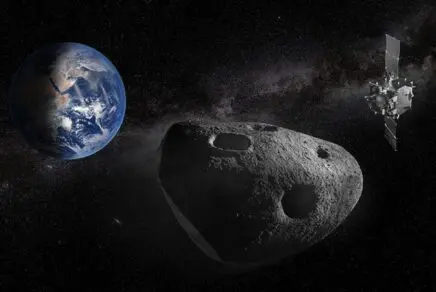
RAMSES: ISAE-SUPAERO at the heart of a historic planetary defense missionLe sismomètre SIA développé par l'ISAE-SUPAERO est une première mondiale pour explorer l'astéroïde Apophis
DEOS
Research
Space
News
ISAE-SUPAERO and ENAC invite you to the “Rendez-vous Aéro de l'Innovation” on Thursday, February 5, 2026!Aeronautics
Event
Innovation

Videos
The Dart mission has hit its target: explanations from Dr Naomi Murdoch, planetary scientist at ISAE-SUPAEROResearchers from ISAE-SUPAERO are participating in this first planetary defence mission. Dr. Naomi Murdoch, a researcher at ISAE-SUPAERO and scientific member of the #DART and #HERA missions, comments on the objectives of DART and those of the European HERA mission, which will arrive in the area in 2026 to characterise the crater left by DART and study the internal structure of the asteroid #Dimorphos!
DEOS
Researcher
Space
Pages
Scientific and research integrityISAE-SUPAERO is one of the signatories of the National Charter of Ethics for Research Professions, adopted in January 2015 by the Conference of University Presidents (CPU) and all national research organizations, and incorporated into the Institute's internal regulations.
DAEP
DCAS
DEOS
News
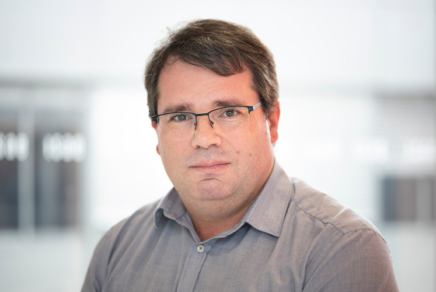
Focus on... quantum physics in ISAE-SUPAERO training coursesISAE-SUPAERO has been integrating quantum physics into its training and research activities uninterruptedly since 1980, and for the past two decades has been offering courses linked to the second quantum revolution.
DEOS
Ingénieur généraliste (MSc)
Teacher researcher
Events
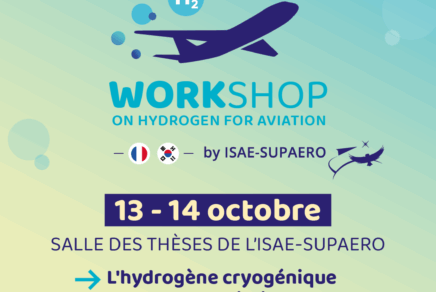
French-Korean workshop: “Cryogenic hydrogen for aviation”.Event
Research
Science
Testimonials
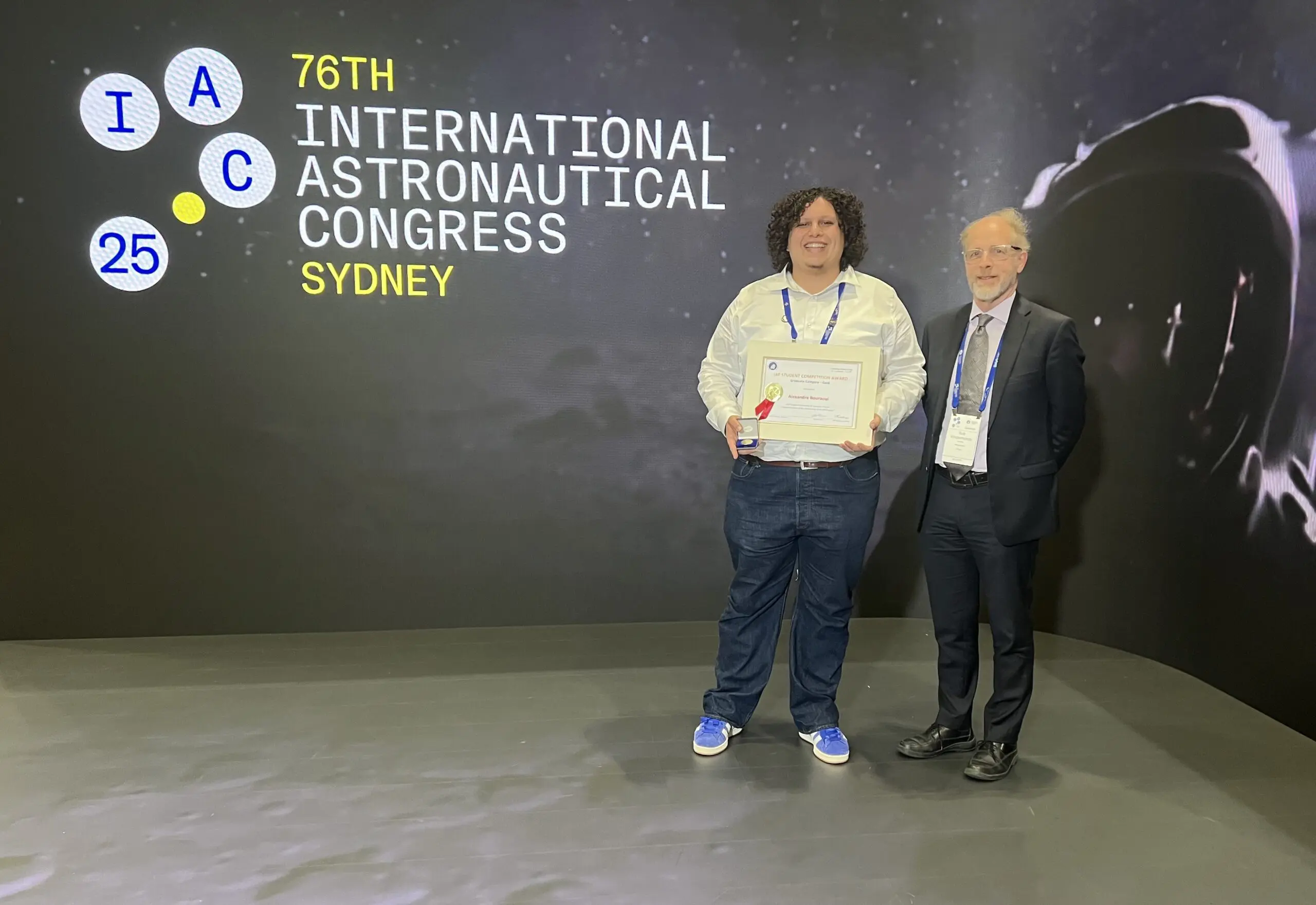
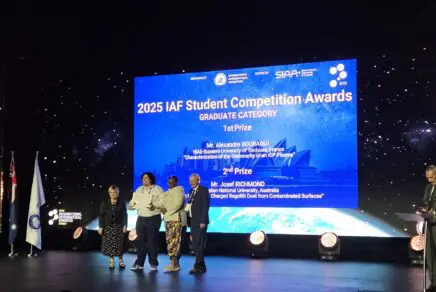
Testimony from Alexandre Bouraoui, engineering student by apprenticeship and IAC 2025 Award WinnerFinal-year engineering apprentice, specializing in Industrialisation and Methods for Aeronautics and Space, Alexandre Bouraoui was recently honored at the 76th International Astronautical Congress (IAC 2025) in Sydney, where he won the prestigious Hermann Oberth Gold Medal in the Graduate category. We spoke with him about his award and his studies at ISAE-SUPAERO.
Aeronautics
Aerospace
Congress

Events
5th edition of the "Defense and Innovation" ForumConference
Defence
Event
News
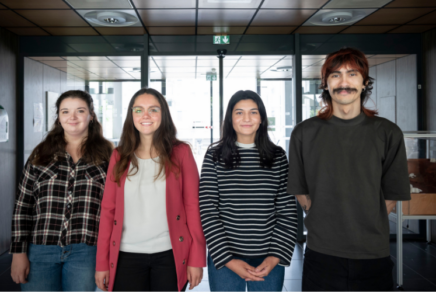
DART: ISAE-SUPAERO students publish new scientific findings in Nature CommunicationsNaomi Murdoch, a planetary science researcher at ISAE-SUPAERO, is actively involved in scientific analysis and data interpretation for NASA's DART mission.
DEOS
Space
News
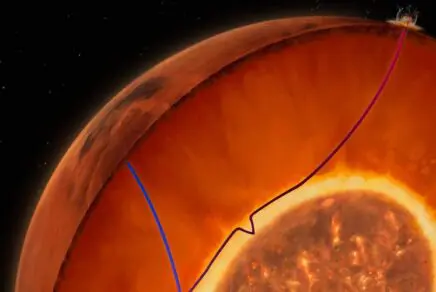
Meteorite impact reveals new insights into MarsIn September 2021, NASA's InSight mission recorded a meteorite impact. Analysis of the data by scientists has revolutionised our understanding of the internal structure of Mars and its evolution. Its mantle is not homogeneous, as previously assumed, but composed of a layer of molten silicates overlying the core. Press release from the IPGP - Institut de Physique du Globe de Paris: ‘The InSight mission reveals a molten layer at the base of the Martian mantle’.
DEOS
Space
Pages
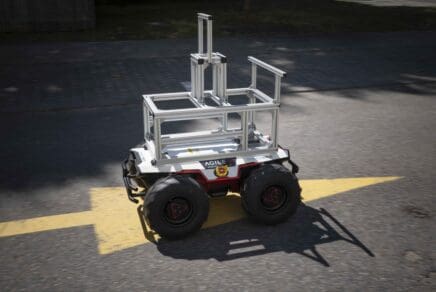
Navigation, Radar, and Remote Sensing (NAVIR² eS) Scientific GroupThe “Navigation, Radar and Remonte Sensing” (NAVIR² eS) scientific group is interested in the theoretical study of information sources and hybridization approaches for autonomous vehicle navigation applications.
DEOS
Doctoral student
PhD

Events
8th edition of Future IntelligenceAI
Artificial intelligence
Cyber
News
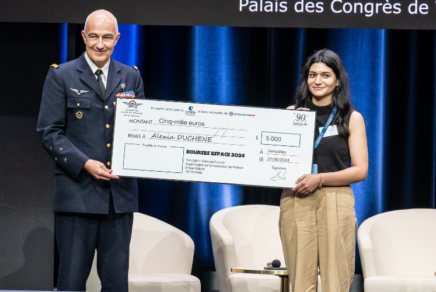
SILOE, an experimental drop tower project selected by ESA and an ESPACE grant for Alexia DuchêneThe SILOE experimental drop tower project aims to study the cohesion of planetary surfaces. This student project is supported by ESA as part of its European ‘Academy Experiments’ program. Alexia Duchêne, SILOE project leader, has been awarded a scholarship of excellence from the Fondation des Ailes de France.
DEOS
Space
News
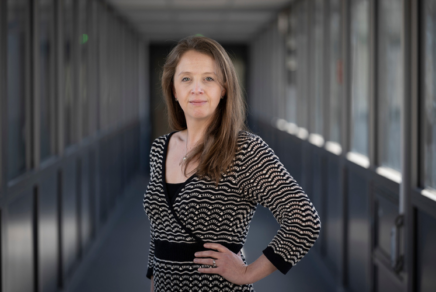
An exceptional scholarship for an innovative projectNaomi Murdoch, a researcher in physics and planetology at ISAE-SUPAERO, has just been awarded the prestigious Consolidator Grant from the European Research Council (ERC) for her planetary body study project called GRAVITE. This ambitious scientific project aims to design a variable gravity machine that will enable the simulation and study of extraterrestrial soils.
DEOS
Scholarship
Space
News
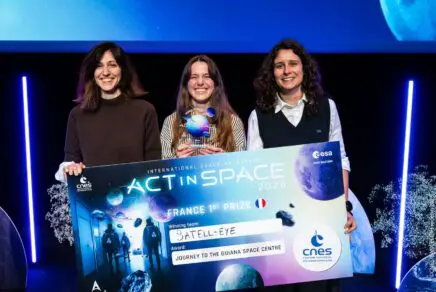
ISAE-SUPAERO and its talented students are once again showcasing Toulouse’s dynamism on the international stageAt ISAE-SUPAERO, talented students continue to distinguish themselves, both in the academic world and in the realm of innovation: a look back at the Amelia Earhart Award won by Elena Lopez-Contreras, a doctoral student at the Neuroergonomics Center, and at the French final of the ActInSpace hackathon, won by her team Solete for their Satell-EYE project.
DCAS
Event
Human factors
News
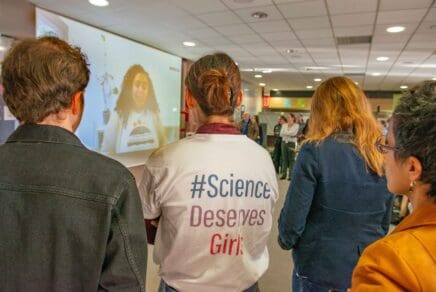
Women's Campus Day 2026 “Inspiring younger generations and young girls”: astronaut Sophie Adenot's commitment continuesThe first edition of ISAE-SUPAERO's “Campus au féminin” days in 2016, attended by astronaut Sophie Adenot, a graduate of the school, was met with great enthusiasm by middle and high school girls. Given its success, the program has become a permanent fixture and now reaches hundreds of young girls every year, allowing them to discover careers in science and engineering.
Diversity program
Equal opportunities
Event
Videos
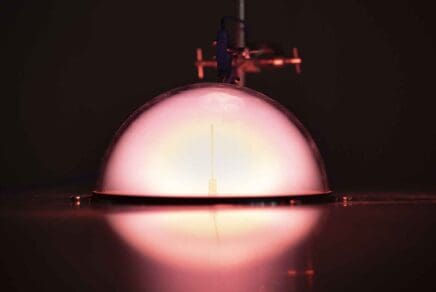
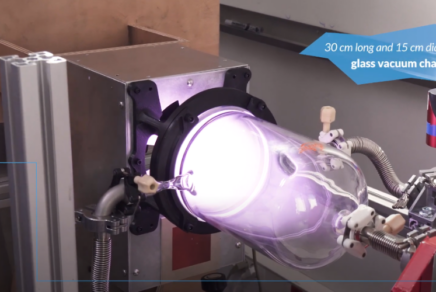
Discover... the ISAE-SUPAERO plasma benchISAE-SUPAERO – as a centre for training through research, research training and innovation – has a wide range of research equipment used within its six research departments. Today, we present white plasma! With the emergence of #NewSpace, more and more CubeSats are being launched. On these small platforms (CubeSats consist of one or more standard 10 cm cubes), several subsystems must coexist. While electric propulsion solutions save space and weight on board, their electromagnetic compatibility with on-board communication systems is still being questioned today. ISAE-SUPAERO, in collaboration with CNES and LAPLACE, is currently developing simulation tools and characterisation methods to provide engineers with tools for designing CubeSats and effective testing methods to address this issue. This experimental bench developed at ISAE-SUPAERO allows the characterisation of a plasma discharge representative of an electric thruster, as well as the measurement of its interactions with microwave signals generated by nearby communication antennas. Finally, the experimental data obtained will be used to calibrate the numerical analysis tools currently being developed by our teams.
DEOS
News
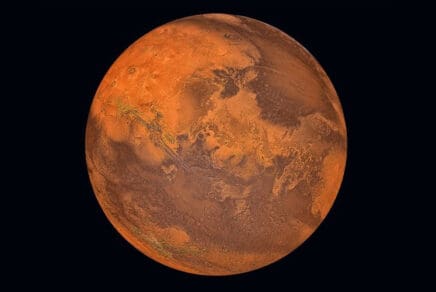
Listening to the Martian past: ISAE-SUPAERO at the heart of the ExoMars missionESA's ExoMars Rosalind Franklin mission to explore Mars will carry a unique instrument for recording sound and atmospheric data from the planet. The Institute has been selected by ESA and CNES for this major scientific collaboration.
DEOS
Researcher
Science
Events
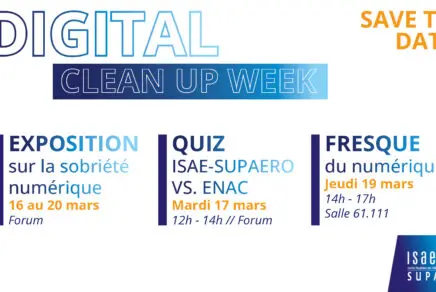
Digital Clean Up WeekEvent
Institute
Videos
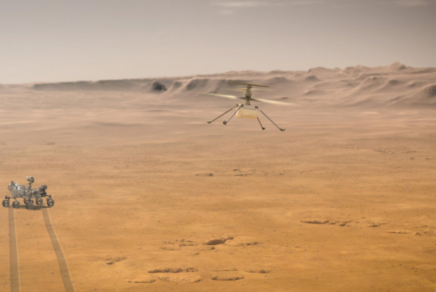
FRENCH SUPERCAM INSTRUMENT RECORDING THE SOUND OF INGENUITY'S 4th FLIGHTLocated 80 meters from the rover at the moment of take-off, the small helicopter rose to 5 meters above the ground before covering a distance of 133 meters before returning to land where it had taken off from. SuperCam's scientific microphone, developed by ISAE-SUPAERO, recorded the sound emitted by the rotation of the Martian drone's blades during its flight. This sound has a characteristic frequency of 84 Hz, equivalent to the low “E” of a piano or the bass voice of a human being. “This is a big surprise for the whole scientific team,” says Naomi Murdoch, a researcher at ISAE-SUPAERO who is studying the data from the microphone. "Tests carried out in a Martian atmosphere simulator to design this instrument, and our theories of sound propagation, indicated that the microphone would have great difficulty picking up the sounds of the helicopter. Indeed, Mars' thin atmosphere strongly attenuates sound transmission. We needed a bit of luck to record the helicopter from such a distance. We're very pleased to have succeeded in obtaining this recording, which is proving to be a goldmine for our understanding of the Martian atmosphere". Developed jointly by ISAE-SUPAERO and a consortium of CNRS laboratories and its partners, coordinated by CNES, SuperCam's microphone is derived from a consumer model adapted to withstand the Martian environment. It pursues 3 substantial scientific and technical objectives of the Mars 2020 mission: Study the sound associated with laser impacts on Martian rocks, to gain a better understanding of their mechanical properties. Improving our understanding of atmospheric phenomena (wind turbulence, dust eddies, wind interactions with the rover, and now with the helicopter). Understanding the sound signature of the rover's various movements (robotic arm and mast operations, driving on normal or uneven ground, pump monitoring, etc.). The microphone was first switched on a few hours after Perseverance landed. It recorded the first Martian sounds generated by turbulence in the atmosphere. It is used daily in conjunction with laser rock ablation for chemical analysis of Mars. ABOUT THE MARS 2020 MISSION: NASA is relying on Caltech's Jet Propulsion Laboratory for the development of the Mars 2020 mission. SuperCam was developed jointly by LANL (Los Alamos National Laboratory, USA) and a consortium of laboratories attached to the CNRS, French universities and research establishments. Several Spanish universities, led by the University of Valladolid, are also contributing to the instrument. CNES is responsible to NASA for the French contribution to SuperCam. The instrument is operated alternately from LANL and the French Operations Center for Science and Exploration (FOCSE) at CNES in Toulouse.
DEOS
Researcher
Space
News
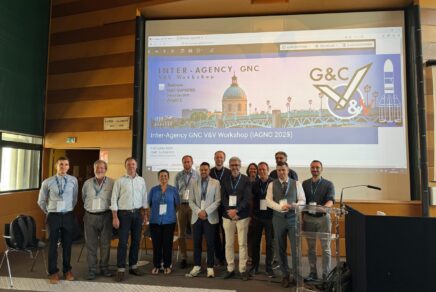
ISAE-SUPAERO hosts the first in-person Inter-Agency GNC V&V WorkshopOn July 9–10, 2025, ISAE-SUPAERO had the honor of hosting the very first in-person edition of the Inter-Agency GNC V&V Workshop, bringing together more than 150 participants from academia, industry, and major international space agencies.
Event
Research
Workshop
Videos
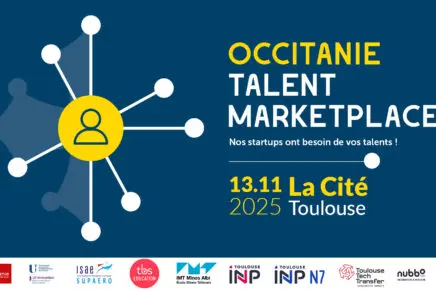
Video recap of the first edition of the Occitanie Talent MarketplaceHave a look back at the Occitanie Talent Marketplace in pictures, a unique event that brought together startups from the university ecosystem of the Occitanie region and the talents & skills eager to join an entrepreneurial adventure. Also, check out the event’s photo album: https://www.flickr.com/photos/194546076@N07/albums/72177720330573098/
Company
Event
News
ISAE-SUPAERO is broadcasting the webinar "Air transport in crisis and the climate challenge: towards new paradigms" on campus!Aerospace
Event
Sustainability
News
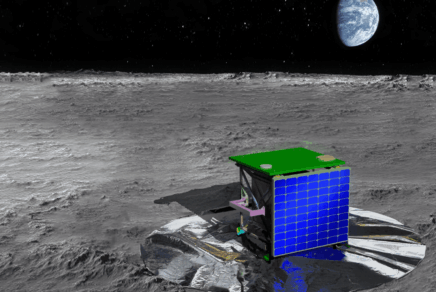
ISAE-SUPAERO contributes to the Artemis IV mission with the SPSS seismology instrumentNASA selects the JPL/CNES instrument suite for the Artemis IV mission, paving the way for unprecedented exploration of the Moon’s internal structure at the South Pole.
DEOS
Exploration
Space
News
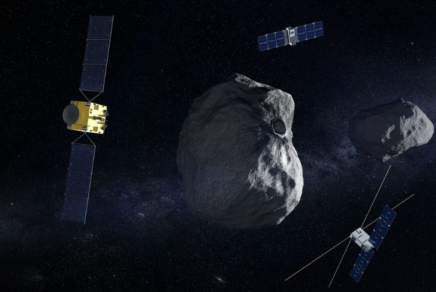
ISAE-SUPAERO back on mission with HeraThe Hera mission, an international planetary defence mission, is on its way to study the asteroid Dimorphos, which will be struck by DART in 2022. ISAE-SUPAERO is actively collaborating in this international planetary defence programme through the research work of Naomi Murdoch and the SSPA team.
DEOS
Space
Events
ISAE-SUPAERO will be at the Paris Air Show at Le Bourget from June 16 to 22, 2025ISAE-SUPAERO will be present at the 55ᵉ Salon International de l'Aéronautique et de l'Espace at Le Bourget from June 16 to 22, 2025!
Aeronautics
Aerospace
Event
Pages
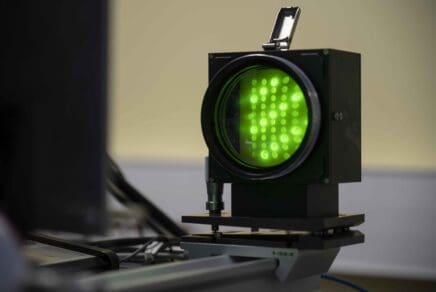
Electronics, Optronics, and Signal Processing Department (DEOS)At ISAE SUPAERO, the Department of Electronics, Optronics and Signal Processing (DEOS) studies, designs and produces scientific instruments for aeronautics, space and defense applications, with a strong focus on advanced systems and planetary exploration missions.
DEOS
News
ISAE-SUPAERO at the Forefront of AI Challenges in Defense and SecurityOn March 24, 2026, ISAE-SUPAERO hosted the Future Intelligence Forum, an event dedicated to artificial intelligence applied to the defense, security, and resilience sectors. Public policymakers, experts, researchers, industry leaders, and innovators gathered to share their vision and collectively shape the future of AI in the public interest.
Aerospace
Artificial intelligence
Defence
News
ISAE-SUPAERO will be at the Paris Air Show from June 16 to 22, 2025!Aeronautics
Event
Fair

News
Capturing the seismic activity of an asteroid: our Apophis rendezvousDEOS
Research
Space
News
"Futurs Proches" Festival in October 9: tickets are now available!ISAE-SUPAERO's CSR department, in partnership with the Toulouse Community of Universities and Establishments (COMUE), invites you to join us on Thursday, October 9 for the 2ᵉ edition of the Festival Futurs Proches, Festival des Campus en transitions!
Corporate responsibility
Decarbonization
Event
Events
First edition of the Occitanie Talent MarketplaceOn November 13, 2025, at the Cité de Toulouse, ISAE-SUPAERO will be taking part in a first-of-its-kind event, the “Occitanie Talent Marketplace”, which will bring together start-ups from the university world in the Occitanie region and talents & skills wishing to take part in an entrepreneurial adventure.
Entrepreneurship
Event
Innovation
News
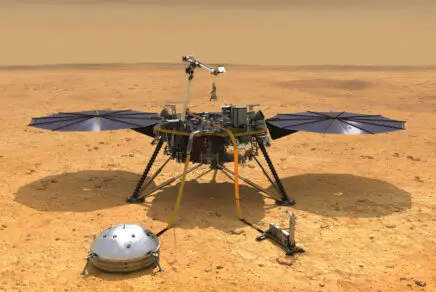
Mission Insight: the contribution of researchers from ISAE-SUPAEROThe InSight lander deployed by NASA recorded two earthquakes that occurred on Mars in 2021, providing scientists with exceptional data, the first direct observations ever made of a planet's core.
DEOS
Space
Videos
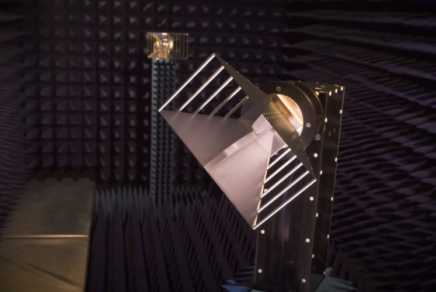
Discover... the ISAE-SUPAERO radio anechoic chamberISAE-SUPAERO – as a centre for training through research, research training and innovation – has a wide range of research equipment used within its six research departments. Today, we present the radio anechoic chamber! Drones and nanosatellites have many applications in the media, industry, agriculture and telecommunications sectors. These two types of platforms share the common constraint of having to carry complex systems in a small space. One of the key elements of on-board communication systems is the antenna, which must also be compact and lightweight. ISAE-SUPAERO, in collaboration with ENAC and ANYWAVES, is currently developing dielectric antennas made by 3D printing ceramics that meet the demanding criteria for integration on drones and nanosatellites. Thanks to the anechoic chamber available at ISAE-SUPAERO, researchers involved in the development of these original antennas can accurately characterise their radiation properties and thus validate the new technological solutions proposed.
DCAS
DEOS