I Am:
Make a Donation
Share this page :

Modelling of the dynamical performance of a protective structure ceramic-adhesive-composite: analysis of the adhesive layer functionality

Reference

N/A

Contract Type

PhD offer

Working Time

Full-time

Compensation

2200€ / month

Degree

Master's degree

Experience

Between 0 and 2 years

Role

Doctoral student

Application Deadline

01/06/2026

This thesis proposal is part of an upstream project to improve the performance of so-called ‘dual-hardness’ armour, consisting of a ceramic layer (on the front face) and a composite layer (on the back face, known as the backing), as shown in Figure 1. The main function of the ceramic layer is to slow the progress of the impacting projectile by dissipating energy through fragmentation [Rahbek 2017, Shokrieh 2008, Colar 2013, Colar 2015]. The main function of the backing layer is to retain the ceramic fragments (non-perforation criterion) and to limit the penetration of the protection (penetration criterion). An adhesive is used to join these two materials. At present, this adhesive layer is not explicitly functionalised to contribute to the performance of the armour. One of the main objectives of this project is to understand and model the function of this layer to improve the armouring.

While it is essential to understand the modes of fragmentation of the front face under impact and the modes of backing failure, it is also necessary to consider the influence of adhesive strength on these failure modes. It is the breaking strength of the adhesive that provides the system with sufficient flexural rigidity to limit deflection of the rear face and prevent perforation of the backing layer by ceramic fragments. The adhesive also serves to hold the backing in place. It is also likely to be important to use coupled tests and calculations to understand whether the adhesive layer can help to improve the fragmentation of the ceramic layer. Another objective of this project is therefore to capitalise on the developments of the behaviour models developed during the previous AID ‘tri-layer’ project [Essongue 2022] and the DGA/ISL thesis of Tristan Camalet [Camalet 2020, Duplan 2020, Francart 2017], as well as the developments carried out in the partner laboratories concerning the behaviour of bonded interfaces [Lopez-Puente 2005, Lélias 2018, Jaillon 2019a 2019b, Planas 2024],

In addition, in the development of these protections, research into new materials and optimised assemblies to best satisfy the protection criteria (energy absorption, non-perforation of the backing, punching of the backing, reuse, multi-impact protection, recyclability and environment) is necessary. In this context, two identified partners (currently partners of ISAE-SUPAERO) Arkema for adhesives and St Gobain for protective materials (on the front face and for the backing) wish to participate in the project by supplying adhesive materials (Arkema) or new materials (Saint Gobain). This last point constitutes an opening objective of the project concerning the study of new front panel and backing materials.

The thesis work therefore follows on from these research activities in the field (work carried out at ISAE-SUPAERO/ICA in collaboration with ICUBE and ISL since 2017 (Thesis CAMALET / Post Doc ESSONGUE) and is more particularly interested in the influence of the fracture or holding properties of the adhesive on the modification of the fragmentation of the ceramic and the deflection/damage of the backing. The thesis work is also part of a theme concerning the high-speed modelling of the behaviour of materials and composite structures assembled by gluing (and/or bolting).

Use of AI algorithms and discrete modeling to improve control of a flexible parachute canopy during maneuvers

Reference

N/A

Contract Type

PhD offer

Working Time

Full-time

Compensation

~2000€ / month

Degree

Master's degree

Experience

Between 0 and 2 years

Role

Doctorant

Context : The complexity and the unstable and uncertain non-linear nature of the response of large flexible parachute canopies, interacting with a surrounding fluid under the effect of manoeuvring actions, are obstacles for deterministic flight mechanics control models and algorithms. Conventional weakly or strongly coupled finite element simulation methods are costly and unstable, and cannot be used to improve their construction.

Project : To meet this modelling and simulation challenge, the team is developing a research code for structural calculations based on a discrete method [1]. This code is frugal in terms of calculation time and can be used to assess the influence of local effects of tissue deformation on manoeuvring forces. The aim of the thesis is to improve the existing tool to enable dialogue with artificial intelligence (AI) algorithms [2,3] for the analysis of the stability and steerability of the sail. The aim of the thesis is to meet the ambition of getting the sciences of structural mechanics to communicate and interact with those of control and AI mathematical algorithms.

Seamless Integration of Models in a MBSE-MBSA-MDAO Co-Design Process

Reference

N/A

Contract Type

PhD offer

Working Time

Full-time

Compensation

2600€ / year

Degree

Master's degree

Experience

Between 0 and 2 years

Role

Doctoral student

Application Deadline

31/07/2026

The theme of the interoperability of model-based design and analysis approaches is one of our strong areas of research. This thesis is a continuation of the work carried out as part of the CONCORDE collaborative project between ONERA, ISAE and ENAC. The expected results should enable us to consolidate our advances in the field of synergy between models, and open up new collaborations using the planned laboratory platform.
laboratory platform.

PhD ACTAM : Aeroacoustics of multi-axle landing gear

Contract Type

PhD offer

Working Time

Full-time

Degree

Master's degree

Experience

Between 0 and 2 years

Role

Doctoral student
This PhD proposes to investigate multi-axle landing gear noise generation mechanisms in order to propose innovative low-noise designs.

“Doctor, tell me about your thesis in five minutes!” – The ISAE-SUPAERO Foundation Thesis Awards
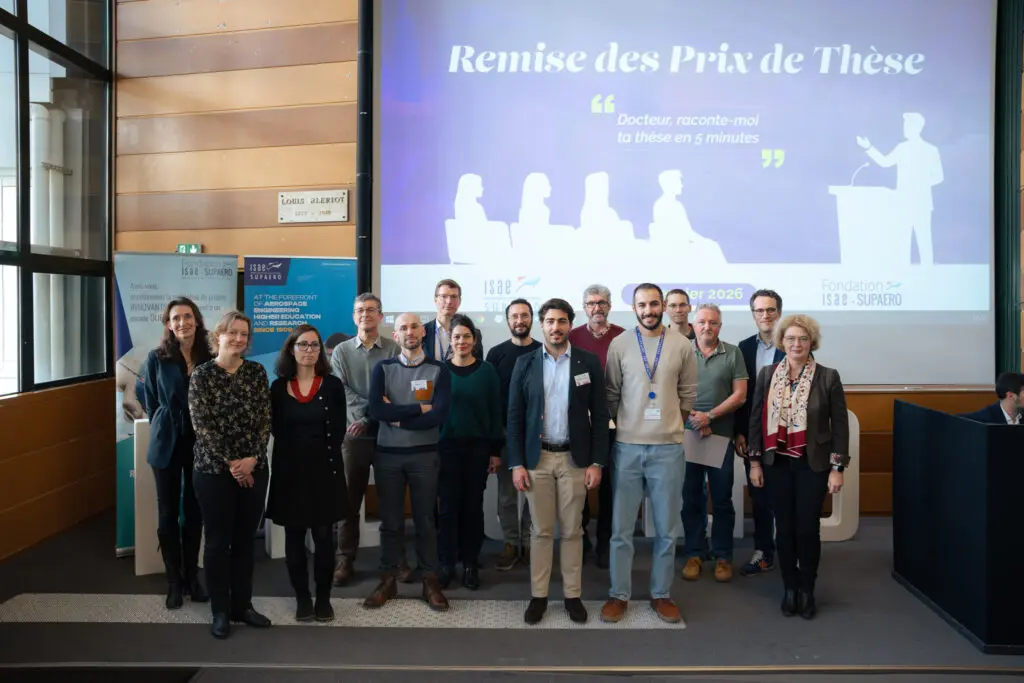
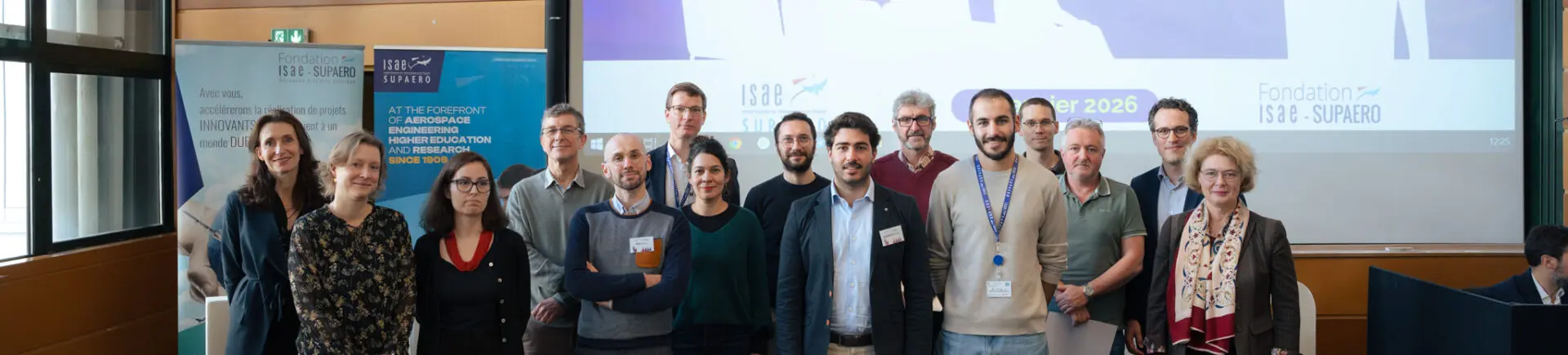
On Wednesday 7 January 2026, the Fondation ISAE-SUPAERO awarded its Thesis of the Year prizes to five young PhDs in recognition of the excellence and impact of their research work.

The prizes, each worth €800, highlight the scientific quality and communication skills of doctoral students trained in one of the most demanding doctoral programmes in the field of aeronautics, space and complex systems.

A revamped formula to promote the popularisation of and feedback from theses

For the2025 event, the format has been changed to “Doctor, tell me about your thesis in 5 minutes”. This change gives each of the winners more time to present their thesis topic in a clear, accessible and captivating way to an audience of students, researchers and ISAE-SUPAERO staff. This longer presentation time allows doctoral students to go into a little more depth than in the previous edition, which took just 3 minutes.

Set in the middle of the lunch break, this solemn event is changing the tradition of promoting research by combining scientific expertise and communication skills, an essential challenge for young researchers who aim to make their work understandable well beyond academic circles.

The 2025 winners

The five prize-winners rose brilliantly to this challenge of synthesis and pedagogy. Each of them shared the challenges, results and prospects of their research, demonstrating the diversity and excellence of the work carried out within the Institute and its partners. To see photos of the event, click here.

Theses at the service of innovation

Ricardo Rodrigues

“Modelling, robust control and analysis of complex, flexible and non-stationary space missions”.

Thesis directed by Daniel ALAZARD and Francesco SANFEDINO (ISAE-SUPAERO)

Olivier Goux

“Taking into account correlations of observation error and variational assimilation of ocean data”.

Thesis directed by Anthony WEAVER (CERFACS) and co-directed by Olivier GUILLET

Antoine Salih Alj

“Radiation effects and electrical properties of a CCD-on-CMOS sensor with active deep trenches for high-performance imaging”.

Thesis directed by Vincent GOIFFON and co-directed by Pierre MAGNAN (ISAE-SUPAERO)

Marcel Hinss (Presented by video)

“Human/UAV system interaction and human factors: taking into account the estimation of an operator’s state of fatigue in the design of adaptive interactions for the control of long-endurance UAVs”.

Thesis directed by Raphaëlle ROY (ISAE-SUPAERO) and Anke BROCK (ENAC)

Jean-baptiste Orsatelli (presented by F. Lachaud)

“Methodology for predicting the strength of repairs to aeronautical composite structures by bonding”.

Thesis directed by Frédéric LACHAUD (ISAE-SUPAERO), co-directed by Eric PAROISSIEN and co-supervised by Sebastien SCHWARTZ.

Promoting doctoral research at ISAE-SUPAERO

The 2025 edition of the Dissertation Prizes confirms the importance attached by the Foundation to high-level research and scientific communication. By extending the format to 5 minutes, the Institute is offering young researchers a platform where they can not only present their results, but also open the doors to the world of research to students working in academia and industry.

A commitment made possible by the generosity of donors

The 2025 Thesis Awards would not have been possible without the loyal support of the donors of the ISAE-SUPAERO Foundation. Through their commitment, you are actively helping to encourage scientific excellence, showcase the careers of young researchers and promote innovation in aeronautics and space. Thanks to your generosity, the Foundation can continue to support the talents of tomorrow and promote academic research at the highest level.

Cavitation in cryogenic fluids in microgravity conditions

Reference

N/A

Contract Type

PhD offer

Working Time

Full-time

Compensation

2100€ / month

Degree

Master's degree

Experience

Between 0 and 2 years

Role

Doctoral student

Application Deadline

01/03/2026
A PhD position is open in the Space Advanced Concepts Laboratory in collaboration with IMFT (institute de mécaniques des fluides des Toulouse)

Supervisors:

  • Annafederica Urbano, professor, ISA-SUPAERO
  • Sébastien Tanguy, professor, Université Paul Sabatier, IMFT

Technological context and scientific questions

During depressurization for propellant preconditioning (and cooling) prior to engine ignition or propellant transfer (in the context of space depots), bubbles can form and grow due to cavitation. This is a problem due to vapour accumulation under microgravity conditions and the impact on wall heat transfer. More generally, cavitation, under conditions where phase change predominates, is important for many applications (including nuclear power plants) and raises many questions that are not understood at the small scale.

This justifies the development of the SCREAMH2 microgravity wall cavitation experiment (currently in phase A/B development under an ESA contract), in which ISAE-SUPAERO is participating as part of the scientific team.

There are several scientific open questions regarding pool cavitation. It is unclear how the contact line phenomena (nano-region, wall roughness, cavity shape…), the level and dynamics of depressurization, and the nature of the fluid (pure or in the presence of non-condensable gas) impact the growth of these bubbles and the associated wall heat flux.

This thesis project aims to answer these questions by developing numerical models capable of accurately simulating pool cavitation, in parallel with the development of the SCREAMH2 experiment. The results will serve, on the one hand, as support for the experiment and, on the other hand, for its extension, particularly to configurations with multiple bubbles and in the presence of non-condensable gases.

Background

The present project is a continuation of the team’s recent work on the development of a solver for the direct numerical simulation of two-phase flows with phase change. The originality of the solver, based on a semi-implicit compressible projection method, lies in its thermodynamic consistency, which allows it to describe liquid, vapor, and saturation conditions at the interface for a generic fluid.

The solver has recently been extended to phase change in the presence of a contact line (solid, vapor, liquid) and validated for the simulation of nucleate boiling and pool cavitation. It has thus enabled parametric studies and model developments for bubble cavitation in microgravity at the wall. The models will be extended and generalized in this project.

This project aims to further develop the numerical solver and to use it to answer the scientific questions raised.

  1. Numerical development of the immersed boundary method [5] to include conjugate heat transfer and contact lines. After validation on basic test cases, configurations with complex geometries will need to be addressed. Initially, the simulation of CH4 pool cavitation used for validation in [4] will be reconsidered with the complex geometry (cylindrical support and cavity for the bubble).
  2. Incondensable gas. The solver will be extended to account for the presence of multi-species vapor and incondensable gases adsorption in the liquid while ensuring thermodynamic consistency at the interface. A surface tension model dependent on local composition will be developed, and the jump conditions will be adapted to take thermo-capillary effects into account. The model will need to be validated for simulation in the presence of Marangoni currents (using existing experimental data).
  3. Pool cavitation in micro-gravity. Several objectives will be pursued. The first will be to support the SCREAM H2 project with detailed numerical simulations. The second will be to extend the study of pool cavitation to many fluids, considering non-condensable gases and various geometric configurations. In particular, the phase change models developed in [4] will be extended and used to simulate multi-bubble configurations, the interaction between bubbles and their impact on wall heat transfer in microgravity.

Impact

While this project focuses on pool cavitation in microgravity, it is important to note that the developments envisaged are also intended to simulate and study other phenomena involving phase change in compressible flows in the presence of contact lines. These include 1) sloshing in tanks and 2) hydrodynamic cavitation with the development of cavitation pockets. It is planned to study such configurations towards the end of the thesis project, depending on how the project progresses.

Work environment

The PhD will be funded by CNES and will be hosted in the Space Advanced Concepts Laboratory at ISAE Supaero in collaboration with IMFT.

Lasbordes Air Operations Center (COAL)

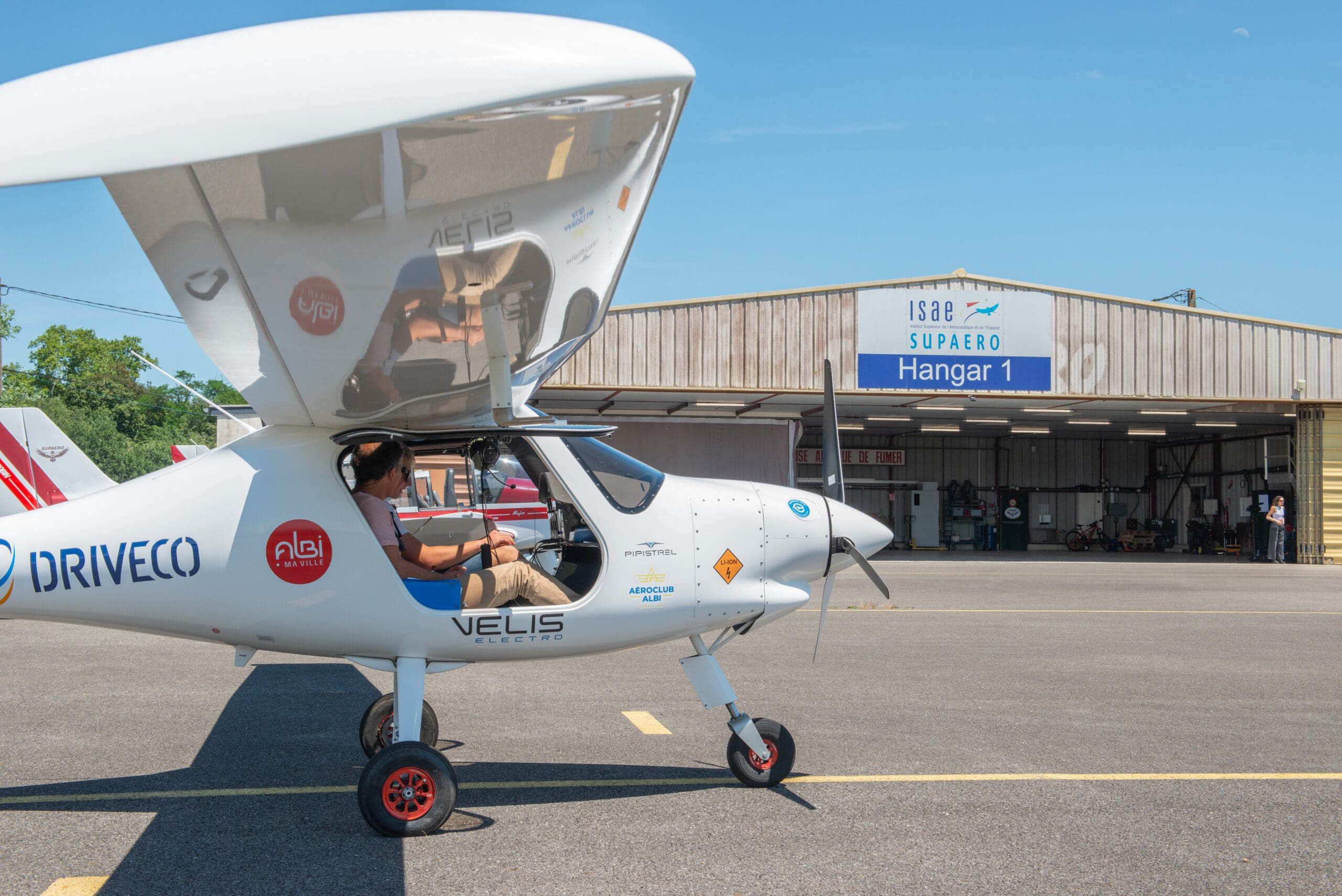
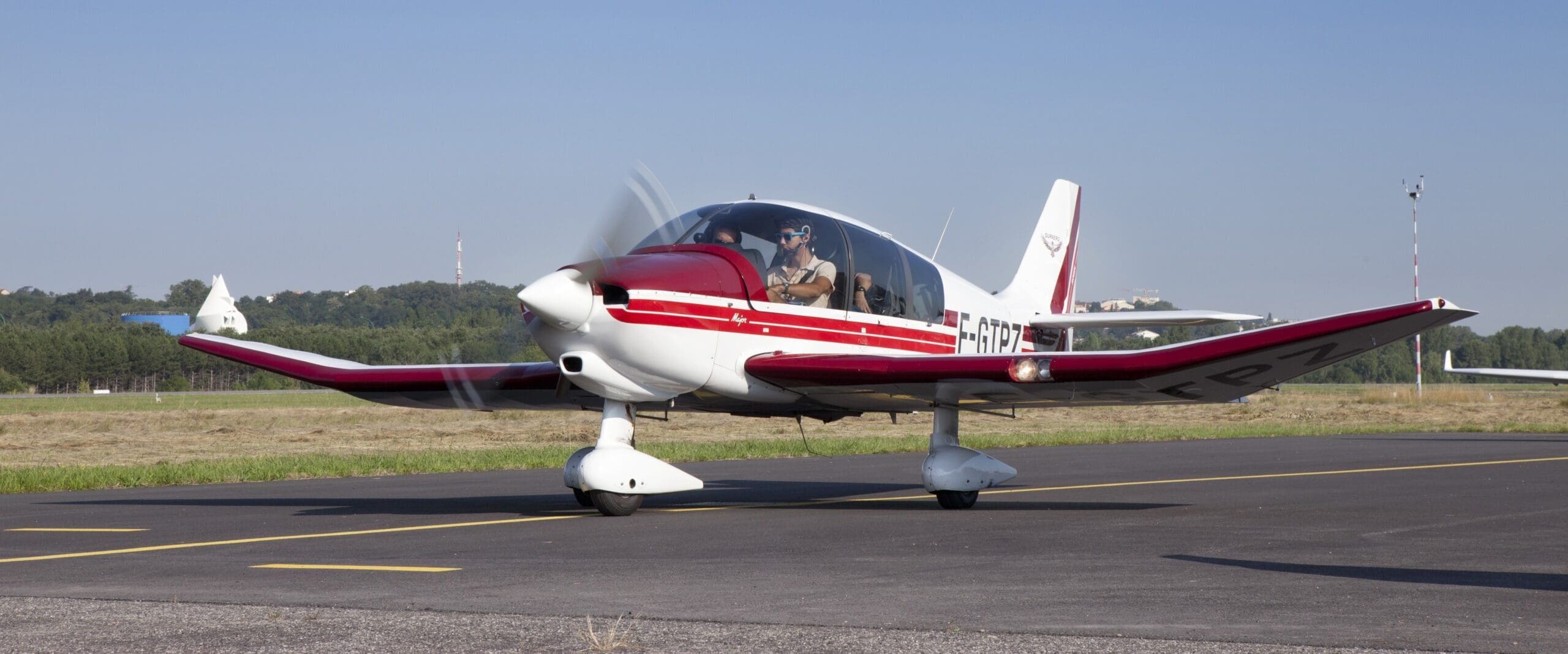
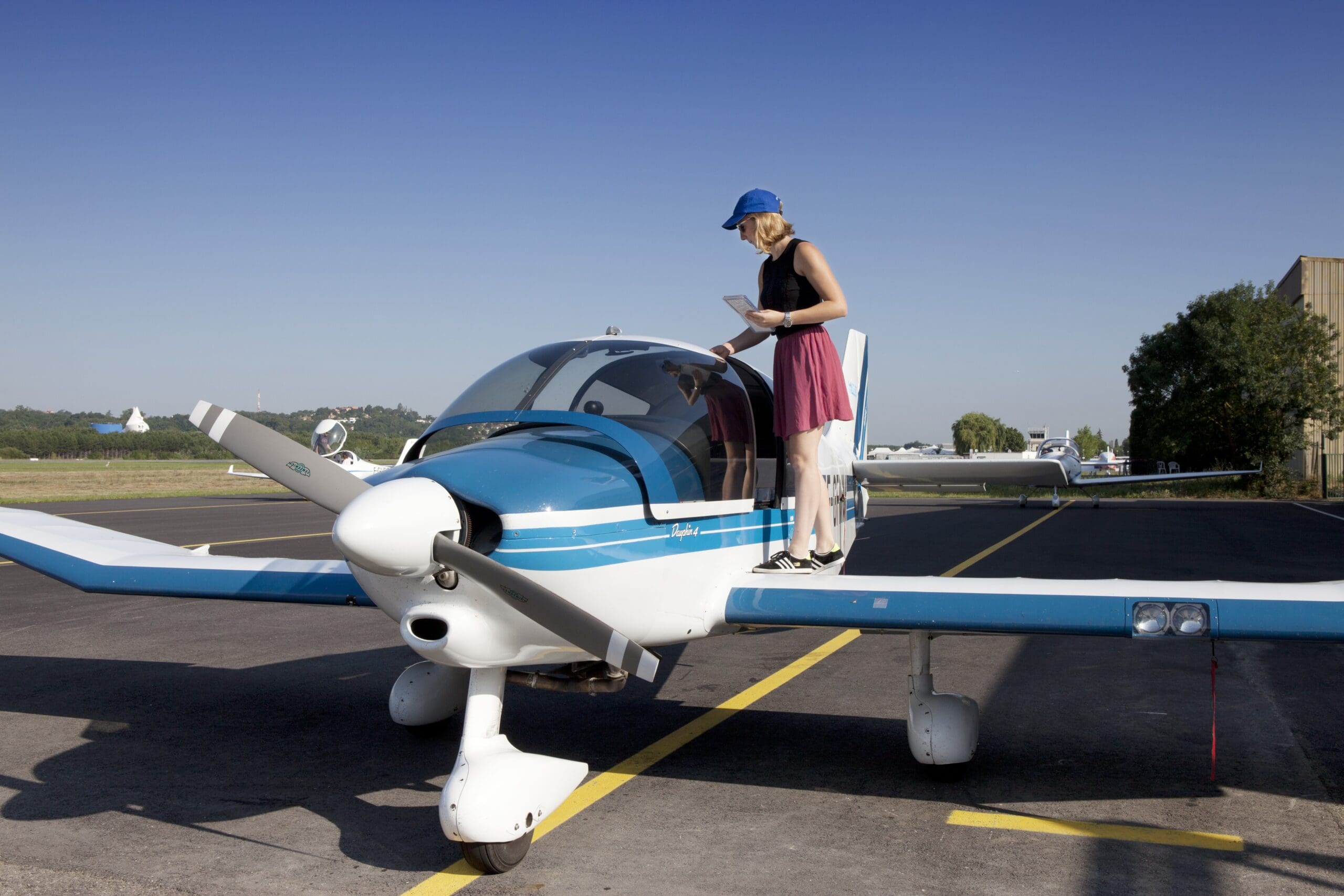
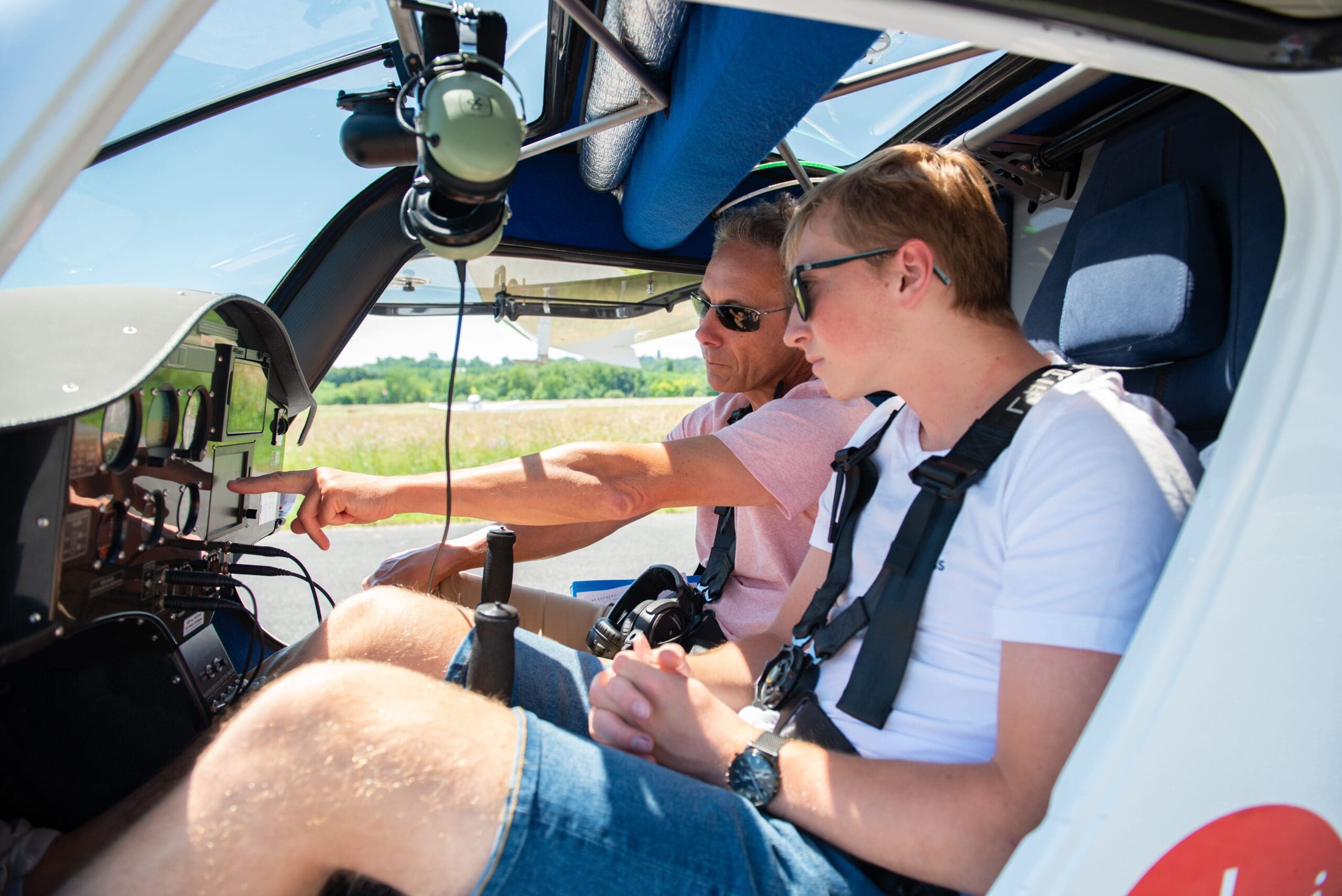
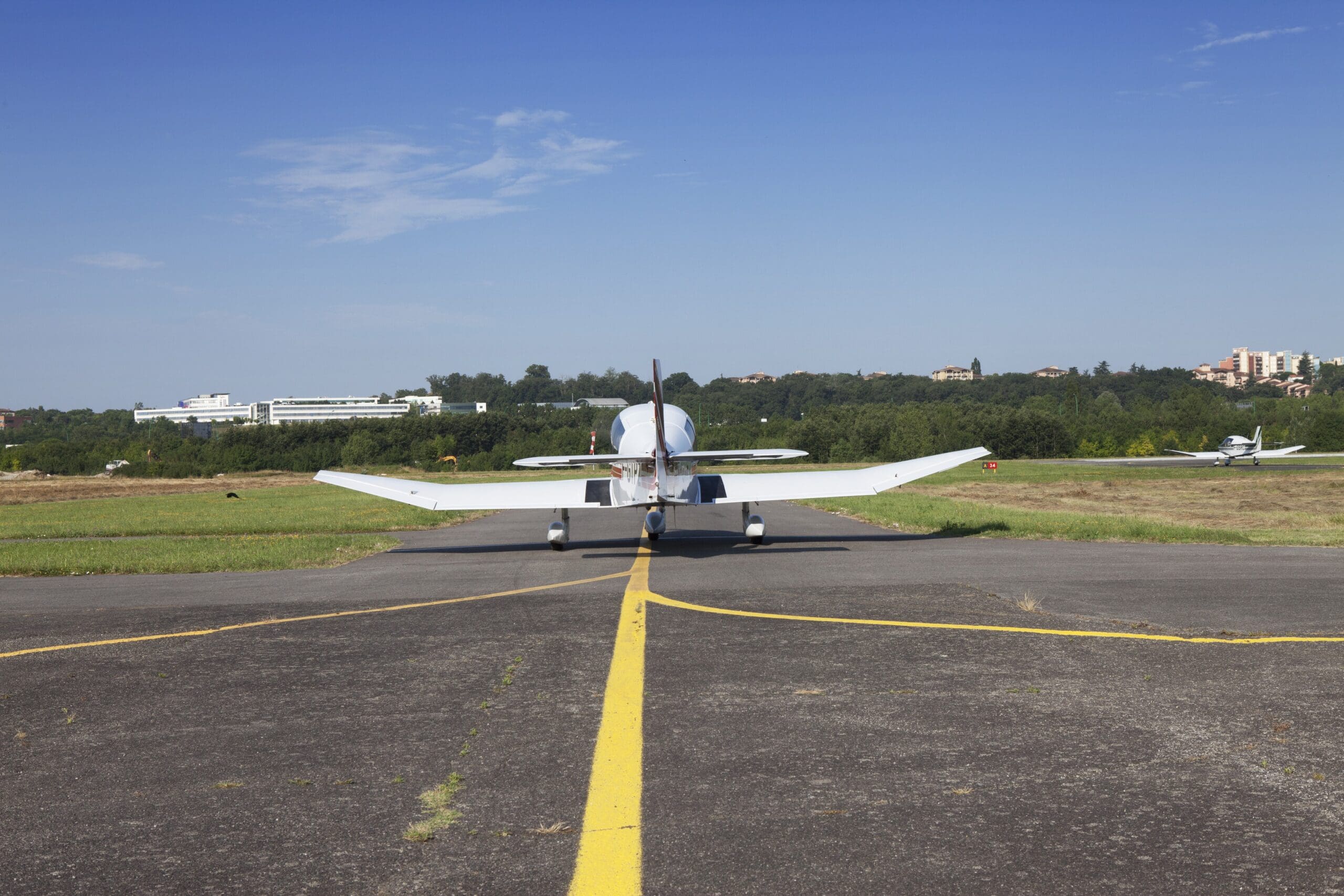
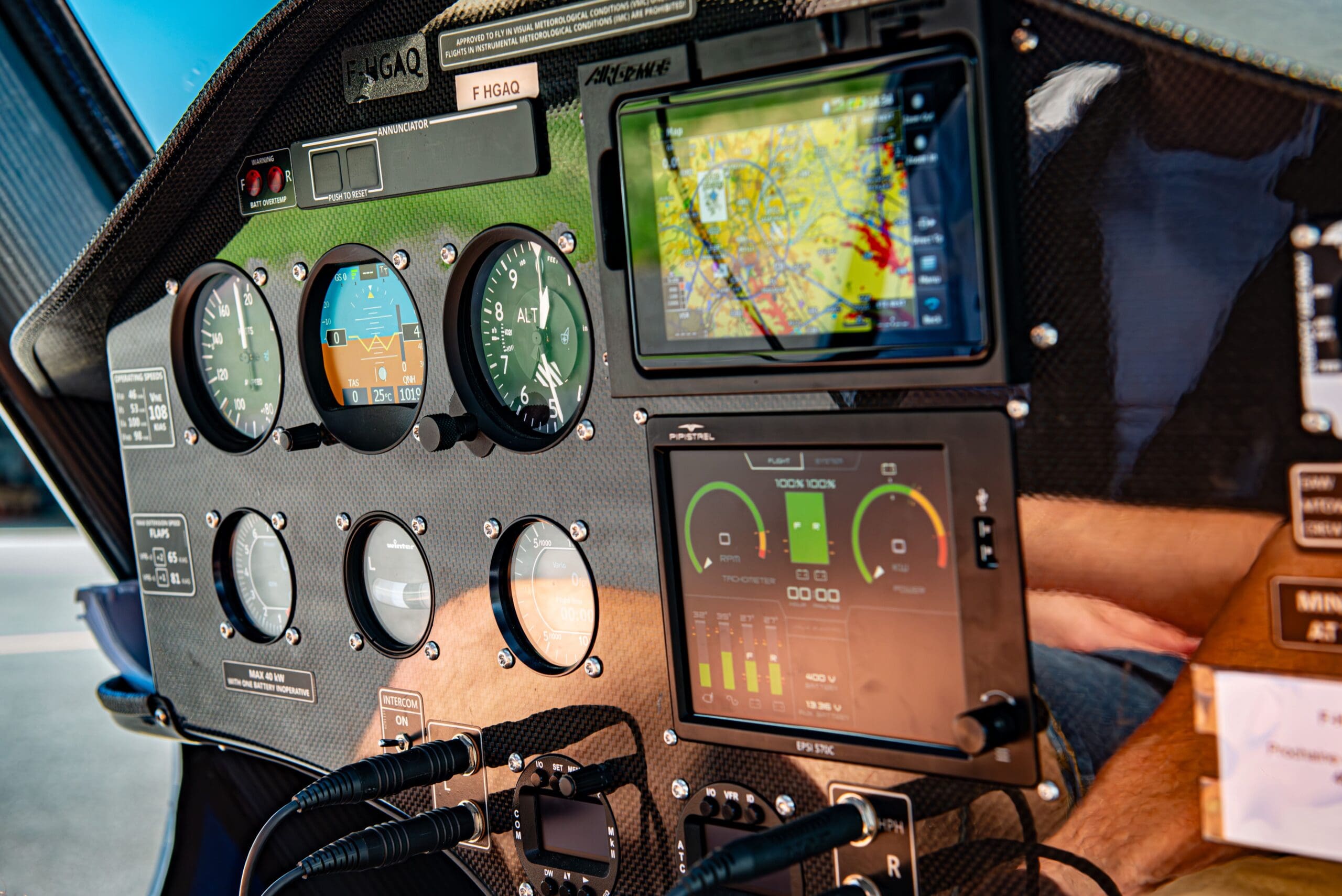
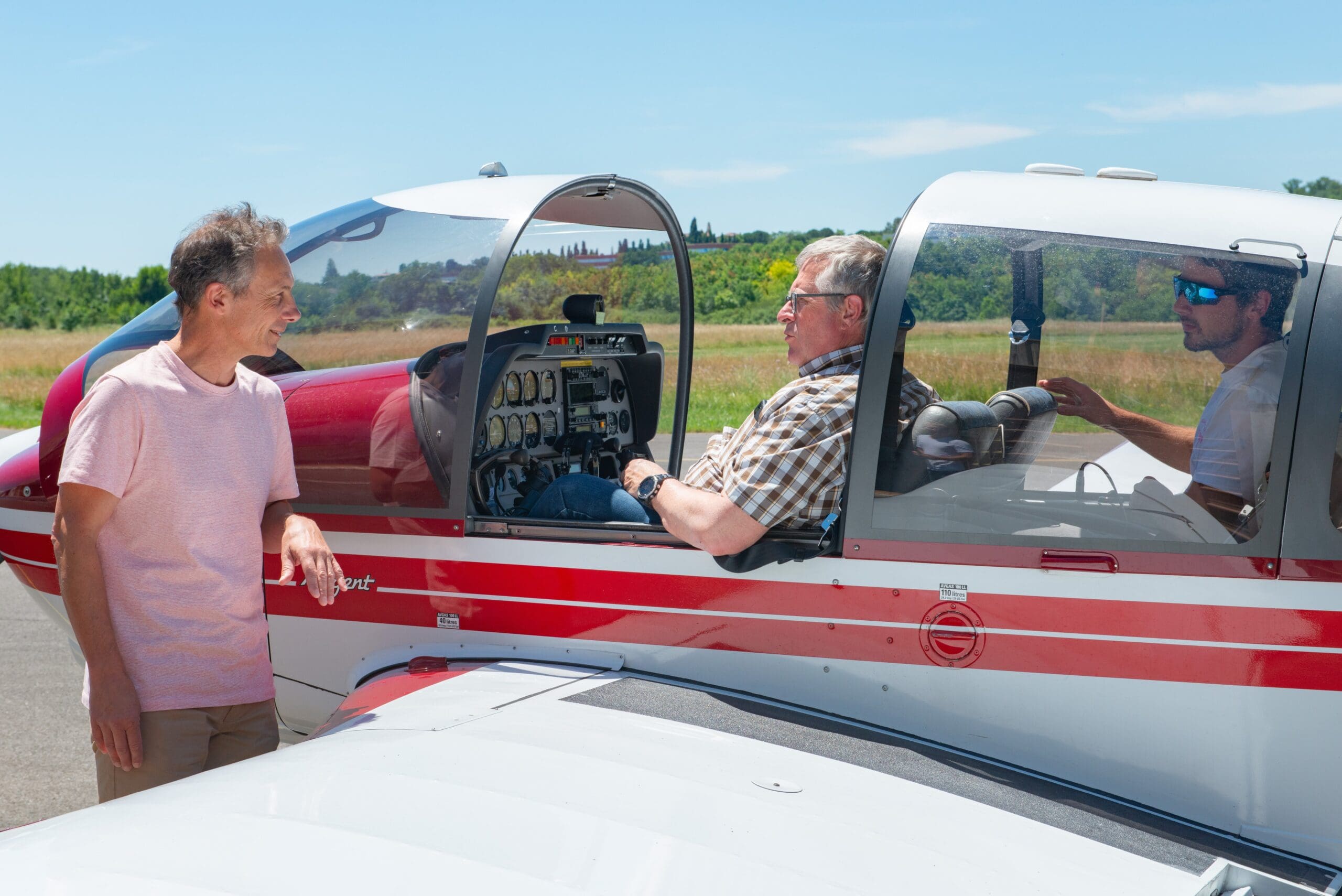
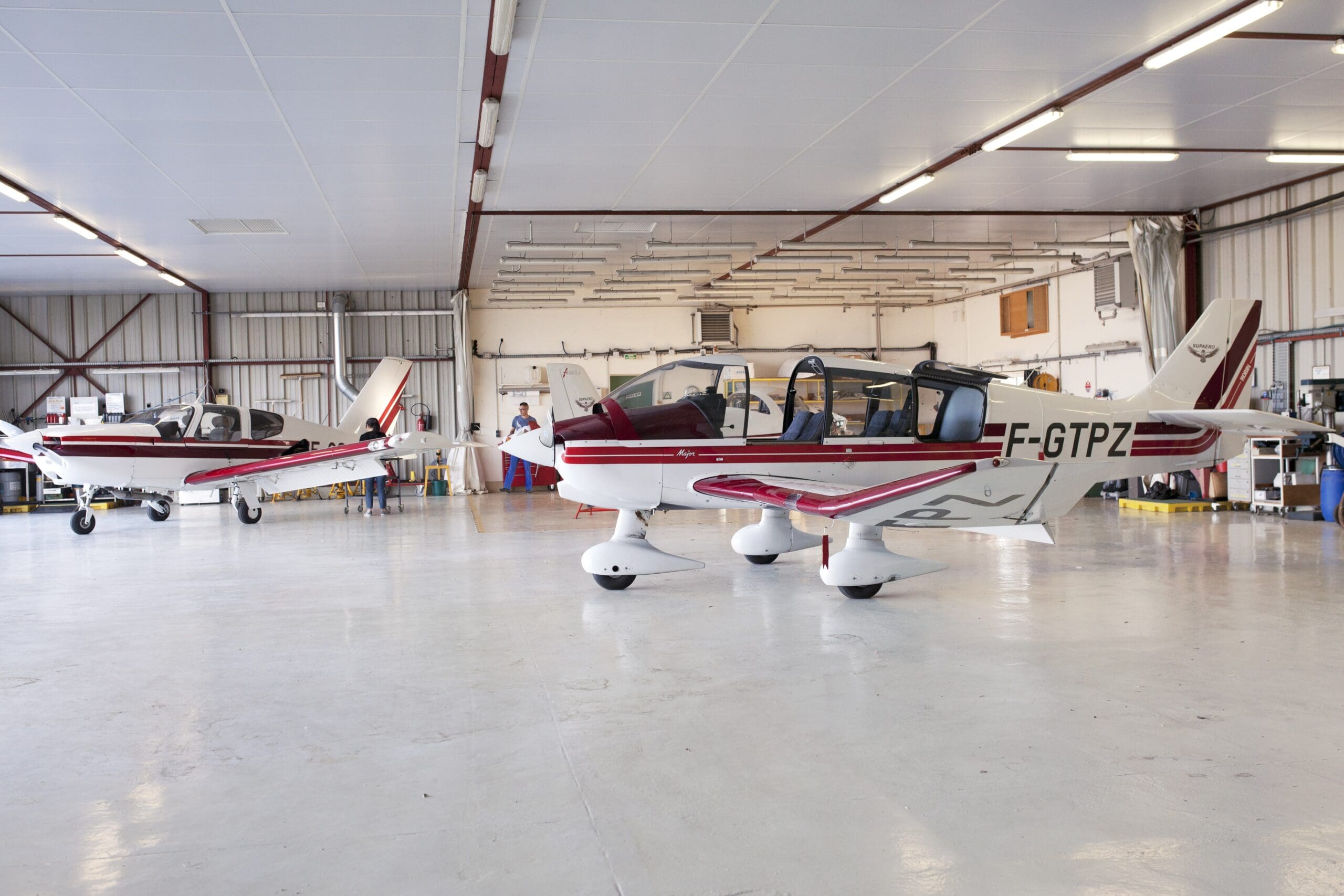
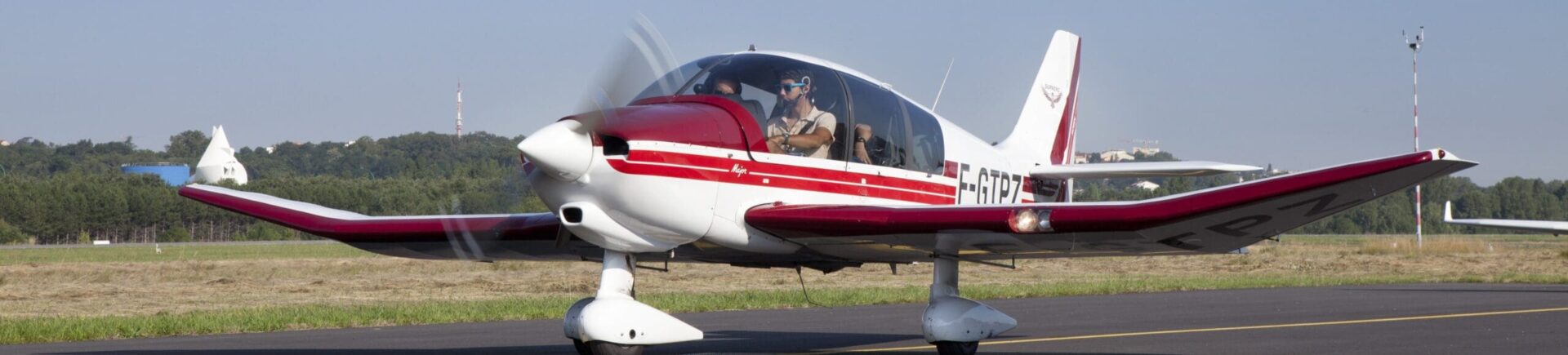
The ISAE-SUPAERO flight operations center at Lasbordes airfield has a fleet of 8 light aircraft for teaching and research in the fields of flight mechanics and neuroergonomics.

The fleet is comprised of:

  • 4 Aquila two-seater single-engine aircraft dedicated to initial flight instruction
  • 3 single-engine, four-seater DR400s dedicated to initial flight instruction, training ISAE-SUPAERO students, and research activities
  • 1 twin-engine Vulcanair P68 Observer 2, currently being instrumented for student training and research activities

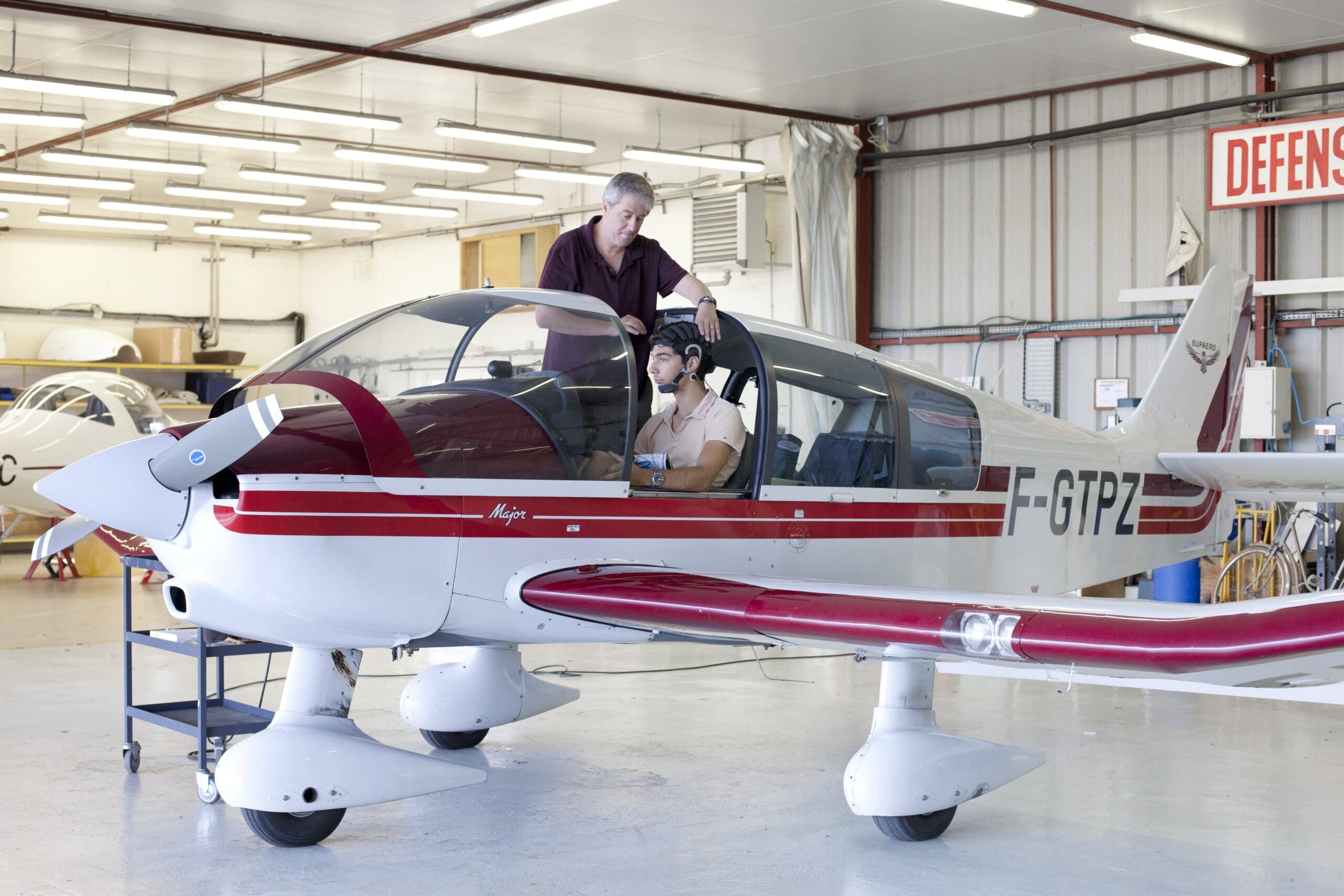
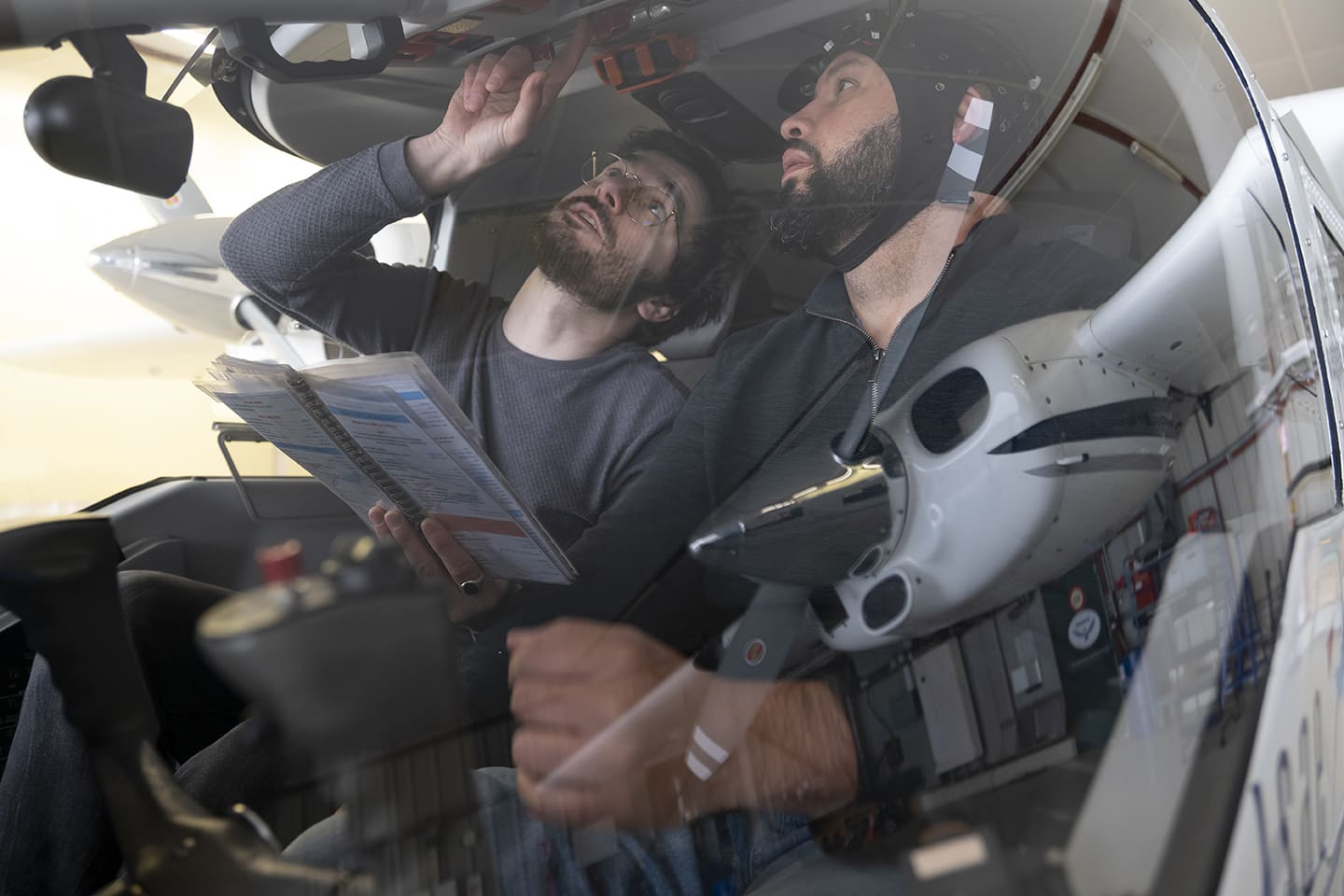
This aircraft is equipped with a telemetry system, enabling a flight to be followed in real time from the institute’s classrooms. It also features sensors capable of recording the pilot’s eye activity (eye trackers), brain activity, and more. Versatile, with a large payload capacity, it can also be fitted with optical sensors via a hatch under the fuselage.

The COAL maintenance unit is responsible for the day-to-day operation of the aircraft, fleet maintenance, and regulatory monitoring of airworthiness.

It also prepares and examines aircraft modification files required for research and training flights.

COAL's Activities

  • Pilot training on light aircraft, open to engineering cycle and master’s students.
  • Practical work in flight mechanics and initiation to flight test techniques for students and continuing education.
  • Research flights in the field of human factors and any other area requiring in-flight sensors.

Directory

Discover the profiles of the 130 faculty members at the Institute who are pioneering research in aeronautics and space.

This resource allows you to explore the fields and research projects of our scientists.

Access the Directory

Job Offers

Check out the vacancies for scientific staff in the research department

Thesis Offers

Check out the research department's thesis and post-doctorate vacancies

Internship Opportunities

Check out the Research Department's internship opportunities!

Theory, Modelling, and Systems Engineering (ThéMIS) Scientific Group

Our Research Areas

Our mission is to respond to the challenges posed by the design of increasingly integrated, autonomous, and mission-critical systems, by combining theoretical research, modelling methodology, and the implementation of engineering processes.

ThéMIS aims to develop robust and innovative solutions based on an interdisciplinary approach combining modelling, optimisation, and validation. We work with academic and industrial partners to meet the needs of critical sectors and innovate the technologies of tomorrow.

The ThéMIS research group carries out research in the following areas:

Theory

  • Preliminary design of complex systems and exploration of the design space
  • Architecture and trade-off analysis
  • Semantics of models and formal verification and validation (V&V) methods
  • System resilience (e.g. identification of obsolescence risks)
  • Technology forecasting and roadmapping

Modelling

  • Model-based systems engineering (MBSE)
  • Links with functional safety analysis (MBSA) and multidisciplinary optimisation (MDAO)
  • Model transformation and integration of validation and verification tools

Engineering Process

  • Integration of MBSE, product lifecycle management (PLM) and lifecycle analysis (LCA) methodologies

The research carried out by the ThéMIS research group has applications in the following areas:

  • Space (ground segment, vehicles, satellites)
  • Autonomous vehicles (drones, robots, intelligent cars)
  • Complex socio-technical systems (infrastructure management, human-machine interaction)
  • Critical embedded systems and cyber-physical systems (safety, reliability and performance in constrained environments)
  • Jonathan : Security evaluation of large distributed and reconfigurable systems
  • Charles MATHOU: Global methodological framework for safety analysis of UAV systems
  • Abdoulaye SARR: Multidisciplinary analysis and optimisation of a hydrogen-powered aircraft
  • Charlotte STROBBE: Design of user-centred systems combining MBSE and HSI
  • Augustin GALLOIS: Eco-design of a Lunar Habitat
  • Ariane BEAUDOIN-BUSSIÈRES : Forecasting for dual technological innovation in strategic ecosystems
  • Haochen GAO: Participatory design tools and systemic methods for multimodal air-rail systems
  • Valentin MORDEL: Fault tolerance and reliable reconfiguration in an automotive HPC/ZCU architecture
  • Maisa CIETTO: Identification and modelling of inefficiencies in the air transportation system
  • Sophie LEMOUSSU : A model-based approach for innovative SMEs in the aeronautics industry
  • Sébastien SCHWARTZ : Coupling deterministic and non-deterministic simulation for predictive maintenance
  • Juan José MONTERO JIMENEZ: Knowledge reuse to improve system architecture for predictive maintenance
  • Eric-Guillaume VIDOT: Towards the certification of avionics systems based on machine learning: using mathematical proofs to guarantee reliability
  • Anass AKRIM : Prediction of remaining lifetimes of aeronautical components using deep learning approaches
  • Ombeline AIELLO: Early validation of system designs using a joint engineering approach based on models and optimisation
  • Sophia SALAS CORDERO: Early phases of complex system design: obsolescence considerations from an MBSE perspective
  • Eric RAZAFIMAHAZO: A systems engineering approach to the design of multi-use systems on mission inside buildings
  • Morgan GAUTHIER: Architectural optimisation of automotive applications on MpSoC components
  • Laetitia BORNES: Interactive systems engineering between design science and design as science
4

Faculty members

9

Theses in progress

10

Theses defended

Our Classes

The members of the ThéMIS group are involved in ISAE-SUPAERO’s educational programmes: the general engineering programme, industrial engineering speciality programme by apprenticeship, Master’s degree in Aerospace Engineering (MAE) and various Advanced Master® (AM) programmes.

The group manages the MAE Systems Engineering major (around 30 students/promotion) and the Systems Engineering AM (around 10 students/promotion).

Members of the group are involved in other activities, in particular directing the Systems Doctoral School at the University of Toulouse.

Our Projects

New design, analysis, and qualification methods to ensure drone certification.

Formal verification methods for space systems. Development of the model-checker integrated into ESA's TASTE development platform (https://taste.tools), in collaboration with UGA/Verimag, GMV, and ESA/ESTEC.

Integrated Air Transport System chair with Thalès Group: this sponsorship, research, and teaching chair draws on ISAE-SUPAERO's expertise in optimising the flight operations and systems approach, and on the Thalès Group's expertise in flight avionics, connectivity, and air traffic control.

Our Permanent Members

Iulian Ober
Iulian Ober

Head of Themis Group

Thémis Group | Members 2025

Our Partners

Industry Partners

Academic Partners

Directory

Discover the profiles of the 130 faculty members at the Institute who are pioneering research in aeronautics and space.

This resource allows you to explore the fields and research projects of our scientists.

Access the Directory

Job Offers

Check out the vacancies for scientific staff in the research department

Thesis Offers

Check out the research department's thesis and post-doctorate vacancies

Internship Opportunities

Check out the Research Department's internship opportunities!

Learning, Decision, Optimisation (ADO) Scientific Group

Our Research Areas

Our work focuses on decision support systems, from the collection of data to its interpretation, in order to make the best decision.

Our common scientific question is: ‘What are the models and algorithms that lead to a learning or decision-making process?’

To answer this question, the ADO group draws on and contributes to the techniques of artificial intelligence (reinforcement learning, evolutionary algorithms, constraint programming) and industrial engineering (operations research, knowledge management, systems engineering).

The applications of the research carried out within the ADO research group are in the following fields:

  • Aeronautics and Space: Earth Observation and Autonomous Vehicles
  • Production systems: System configuration and workshop programming
  • Industry X.0: Preventive maintenance
15

Doctoral and post-doctoral students

8

Researchers

2

Research areas

15

Teaching modules

Our Classes

Our research group is heavily involved in ISAE-SUPAERO‘s top-quality educational programmes, both in the engineering cycle curriculum and in the Masters programmes. We are fully committed to teaching, offering courses that combine theory and application, to ensure that students receive an education based on the latest scientific and technological advances.

We encourage and promote participation in research projects to enable our students to develop the practical and methodological skills that are essential in the field of decision support systems.

We are involved in the following modules:

  • Third-year Decision Sciences course
  • Data and Decision Sciences pathway
  • Industrial Engineering pathway
  • F-SD320 Supply Chain
  • F-SD321 Production
  • F-SD322 Modelling and Simulation
  • F-SD323 Quality and IS
  • F-SD311 Machine Learning
  • F-SD312 Big Data
  • F-SD313 Digital Eco. Digital
  • F-SD314 Case Studies
  • F-SD319 Seminars

Our Partners

Thomas Oberlin
Thomas Oberlin

Head of ADO Group

Directory

Discover the profiles of the 130 faculty members at the Institute who are pioneering research in aeronautics and space.

This resource allows you to explore the fields and research projects of our scientists.

Access the Directory

Job Offers

Check out the vacancies for scientific staff in the research department

Thesis Offers

Check out the research department's thesis and post-doctorate vacancies

Internship Opportunities

Check out the Research Department's internship opportunities!

Applied Mathematics (MA) Scientific Group

Our Research Areas

One of the main fields of study, which brings together almost all these themes, is the theoretical and numerical study of problems related to fluid-structure interactions.

These research activities are carried out in collaboration with the major players in Toulouse: The Toulouse Mathematics Institute (Paul Sabatier University-INSA), ONERA and the Clément Ader Institute (ICA), as well as with other national and international partners.

The Applied Mathematics (MA) research group comprises seven faculty members and one research engineer.

Contributions are mainly made to the following research themes:

*The division presented below is not strict: Interactions exist.

In this research area, we are interested in various aspects of the control and stabilisation or stability of solutions to partial differential equations. To be more precise:

  • Control of partial differential equations
  • Fluid-Structure Interaction
  • Hamiltonian systems with interaction ports (pHS)

The idea behind interaction port Hamiltonian systems is to describe the dynamics of a system using the physical energy of the system (called the Hamiltonian).

In particular, this makes it possible to deal with non-linearities (non-quadratic Hamiltonian) in general. Analysis of the associated Cauchy problem is still an active research topic in the case of infinite-dimensional systems (typically non-linear partial differential equations).

Interaction ports classically consist of co-located control and observation (among other things), enabling different pHs to be coupled. The resulting system is still a pH. There are algebraic structures subordinate to pHs: Dirac structures.

Numerical simulation of pHs calls for special numerical methods to preserve the Hamiltonian (or, more precisely, the existence of a Dirac structure associated with the discretized system).

It should also be noted that closed-loop stabilisation is easily obtained in pHs, and that they also allow, at least in finite dimension, constraints to be taken into account in the form of algebraic equations coupled to the dynamical system.

  • Fractional and Diffusive Differential Systems (SDF)
  • Well-Posed Linear Systems (WPLS)

This area of research focuses on numerical optimisation and multidisciplinary optimisation in the context of pre-project design. To be more precise:

  • Development and analysis of optimization algorithms (deterministic and stochastic)
  • Solving large linear systems and preconditioning
  • Uncertainty propagation (UQ)
  • Sensitivity analysis
  • Substitution models
  • High-Performance Computing (HPC)

This area of research focuses on the application of probability and statistics to practical problems encountered by industry. To be more precise:

  • Performance analysis of communication networks
  • Sensitivity analysis
  • Random trees

Our Partners

Michel FOURNIE
Michel FOURNIE

Head of MA Group

Directory

Discover the profiles of the 130 faculty members at the Institute who are pioneering research in aeronautics and space.

This resource allows you to explore the fields and research projects of our scientists.

Access the Directory

Job Offers

Check out the vacancies for scientific staff in the research department

Thesis Offers

Check out the research department's thesis and post-doctorate vacancies

Internship Opportunities

Check out the Research Department's internship opportunities!