Reinforcement Learning from Human Feedback (RLHF) for Human–AI Collaboration

Internship offer
Full-time
4.35€ / hour
Intern
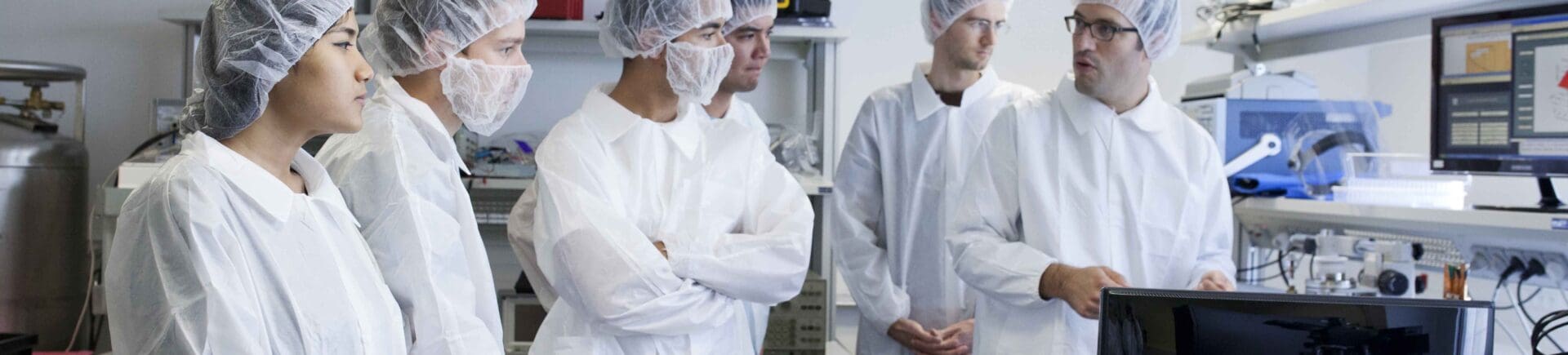
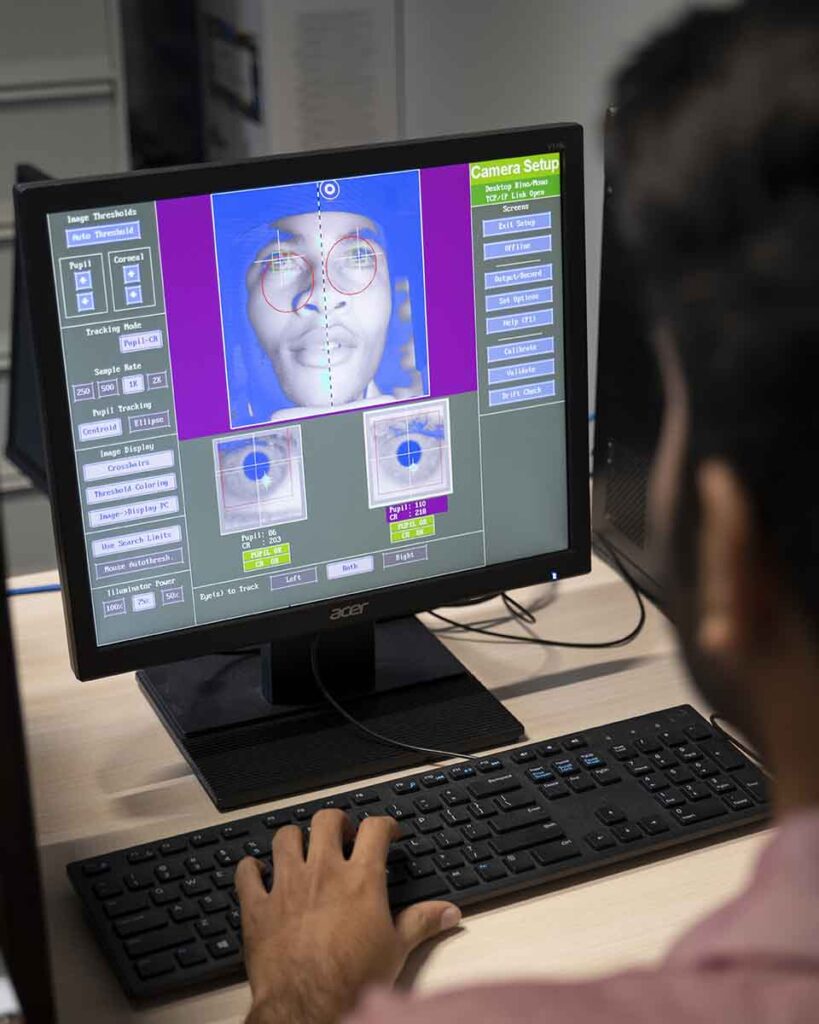
The goal of this internship is to explore Reinforcement Learning from Human Feedback (RLHF) in a cooperative setting. Instead of learning only from environment rewards, the agent’s policy will be shaped by a human partner’s feedback during collaboration. Specifically, the human teammate will be able to assign positive or negative rewards based on how helpful, efficient, or intuitive the agent’s actions feel during the joint task. The intern will investigate how such feedback influences learning stability, team performance, and perceived fluency.
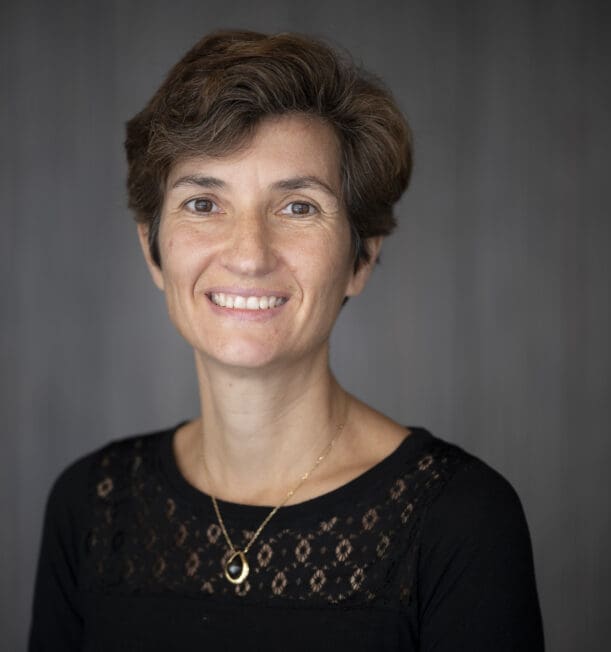
The 2025 Edmond Brun Prize from the French Academy of Sciences awarded to Annafederica Urbano, professor at ISAE-SUPAERO
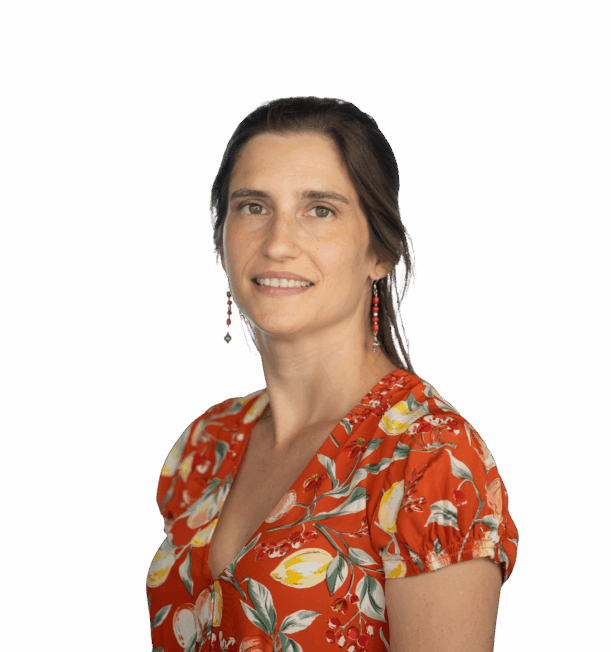
Recognition of scientific expertise
Annafederica Urbano carries out her research activities in the Advanced Space Concepts team (SaCLaB) of the Aerospace and Space Vehicle Design and Control Department (DCAS). An expert in space propulsion, she has developed a research area at ISAE-SUPAERO dedicated to access to space and propulsion.
Her work focuses in particular on the management of cryogenic propellants in weightlessness and their combustion in rocket engines.
She is developing advanced numerical methods for modelling new-generation rocket engines using methane as a fuel, and is interested in the use of artificial intelligence algorithms and data from numerical simulations for rocket engine injector and combustion chamber design models. It is also studying the behaviour of fluids stored at very low temperatures in launcher tanks.
A remarkable career
She obtained her PhD in 2012 from La Sapienza University in Rome on the cooling system of rocket engines and moved to France in 2013 to specialise in numerical combustion and two-phase flows. Her research at ISAE-SUPAERO is funded by the European Space Agency (ESA), the French National Centre for Space Studies (CNES) and the French National Research Agency (ANR).
Its activities are also supported by Ariane Group and Airbus Defense and Space through the SaCLaB sponsorship chair on advanced space concepts, for which it is responsible. Since 2022, Annafederica has been a member of the Space Propulsion Committee of the International Astronautical Federation. She also leads the ESA topical team on propellant management physics.
"From a personal point of view, this recognition is an immense source of satisfaction and fully rewards my commitment to research. On a professional level, this prize is a fantastic opportunity to highlight my work in the field of space propulsion, a strategic sector for the future of space exploration.
Annafederica Urbano Professor of space launchersThe Edmond Brun Prize
Created in 1984 by the Suzanne Brun Foundation of the Académie des Sciences, this prize is awarded alternately for work in the field of astronautics (2025) and fluid mechanics and thermics (2027).
The Académie des Sciences, founded in 1666, is responsible for scientific expertise, the transmission and dissemination of knowledge, and the international promotion of French science. It encourages, supports and protects the spirit of scientific research, thereby contributing to the progress of science and its applications.
This award is further proof of the excellence of the research carried out at ISAE-SUPAERO and its major contribution to the scientific and technological challenges of access to space.
Lasbordes Air Operations Center (COAL)
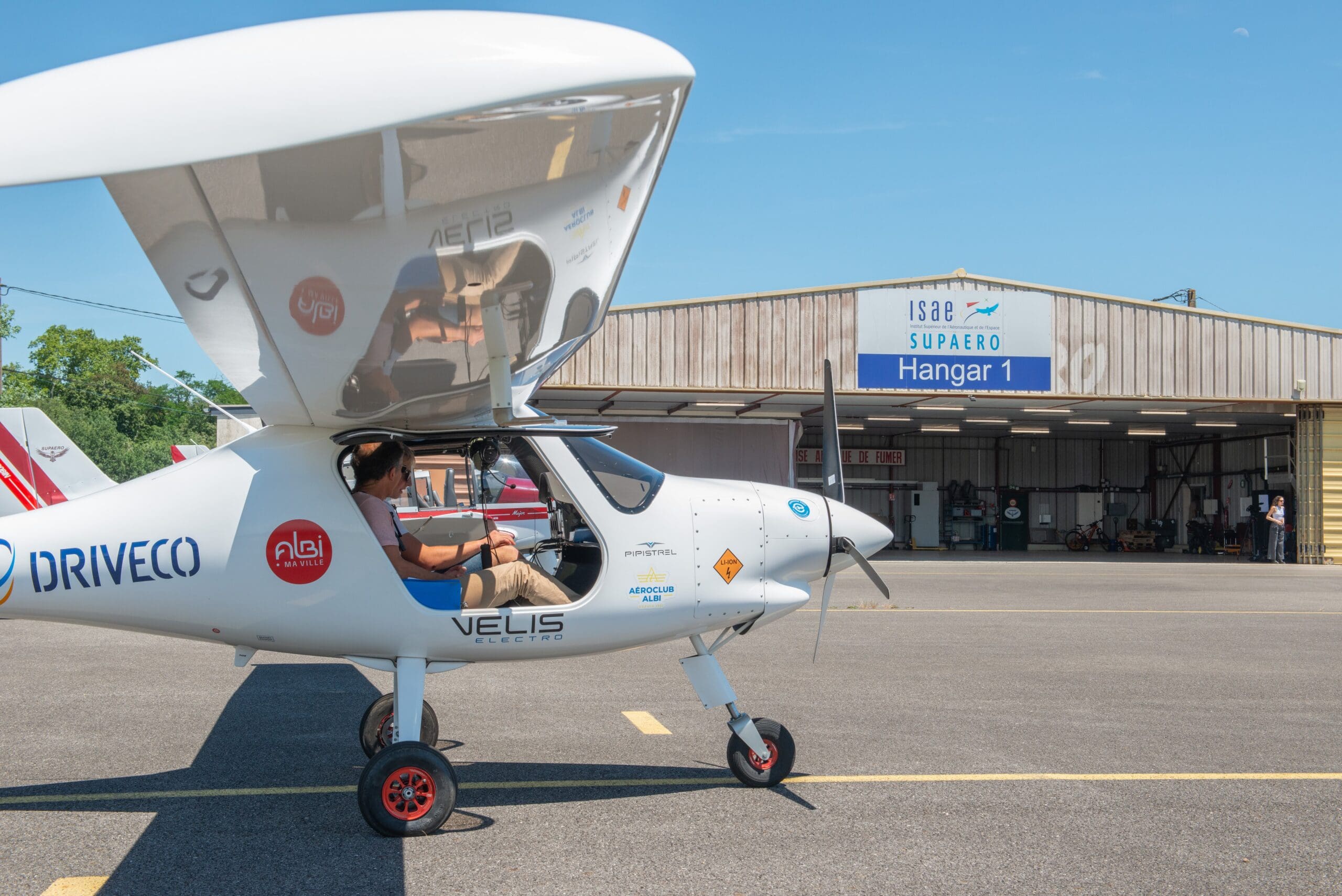
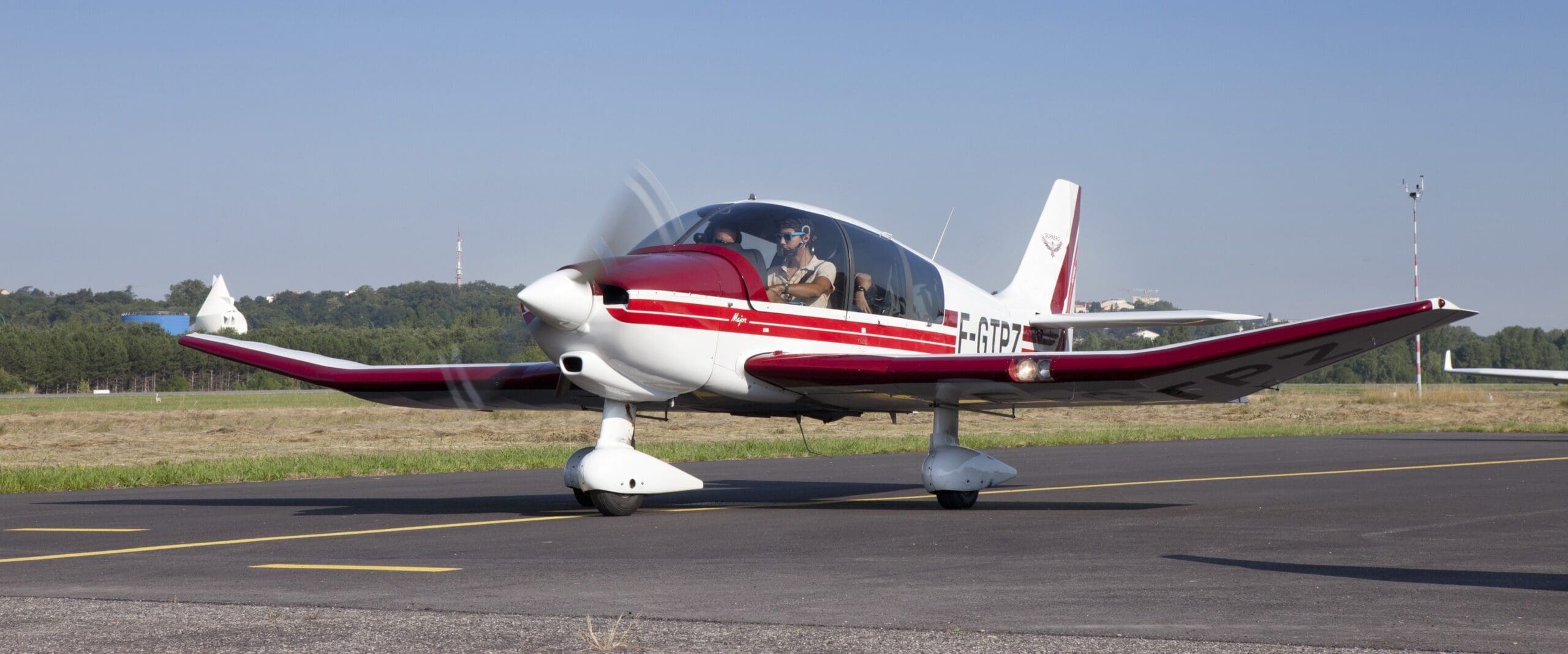
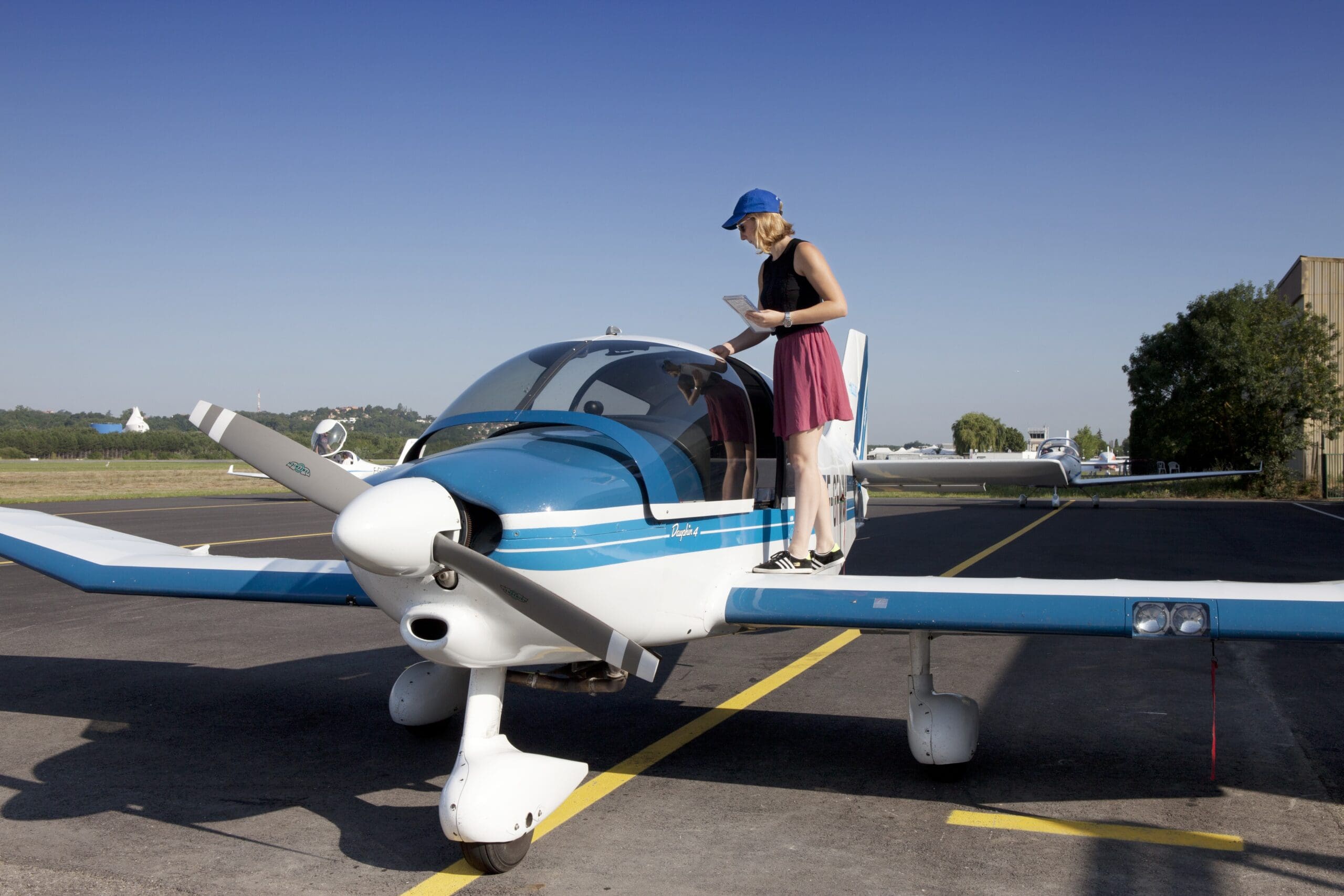
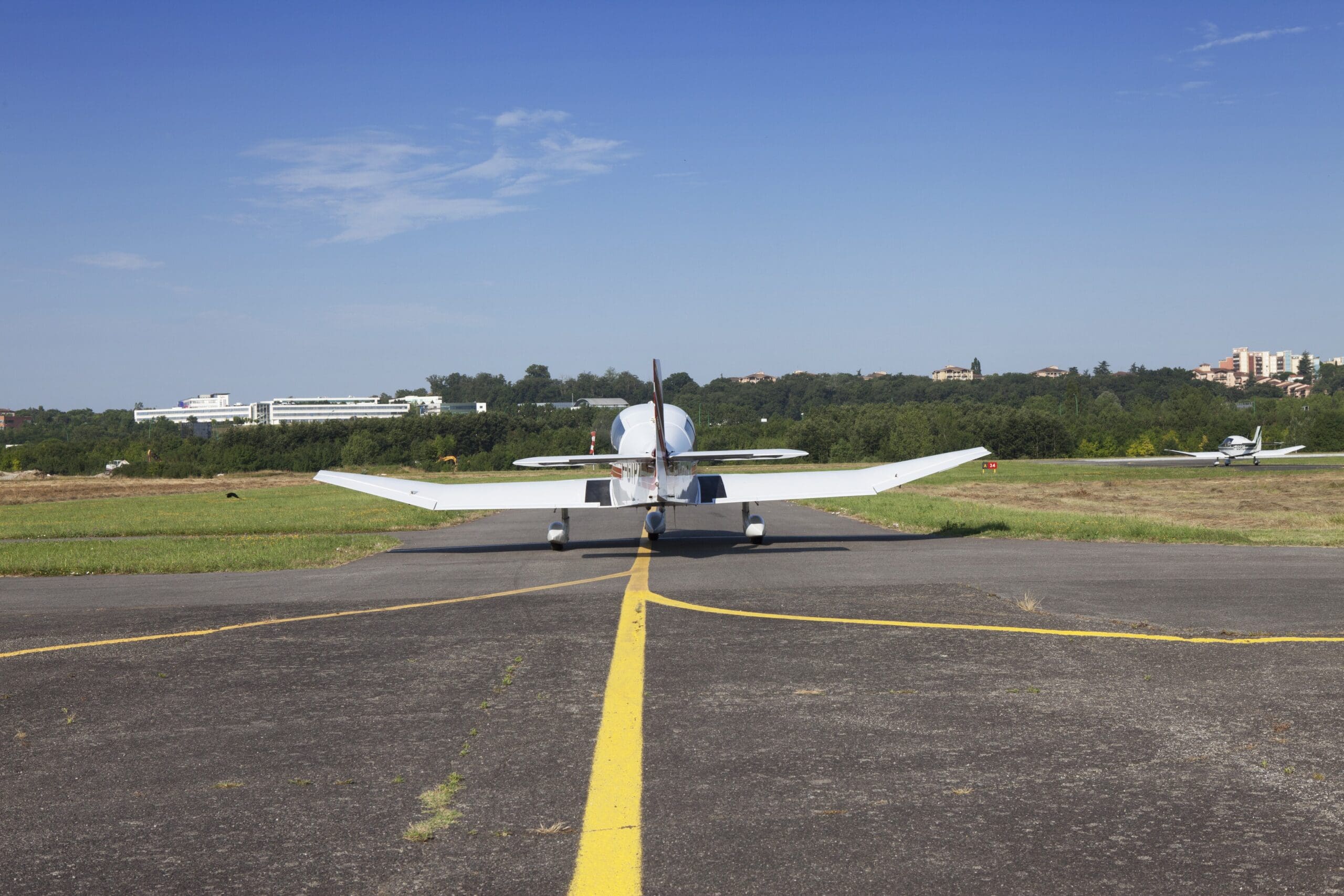
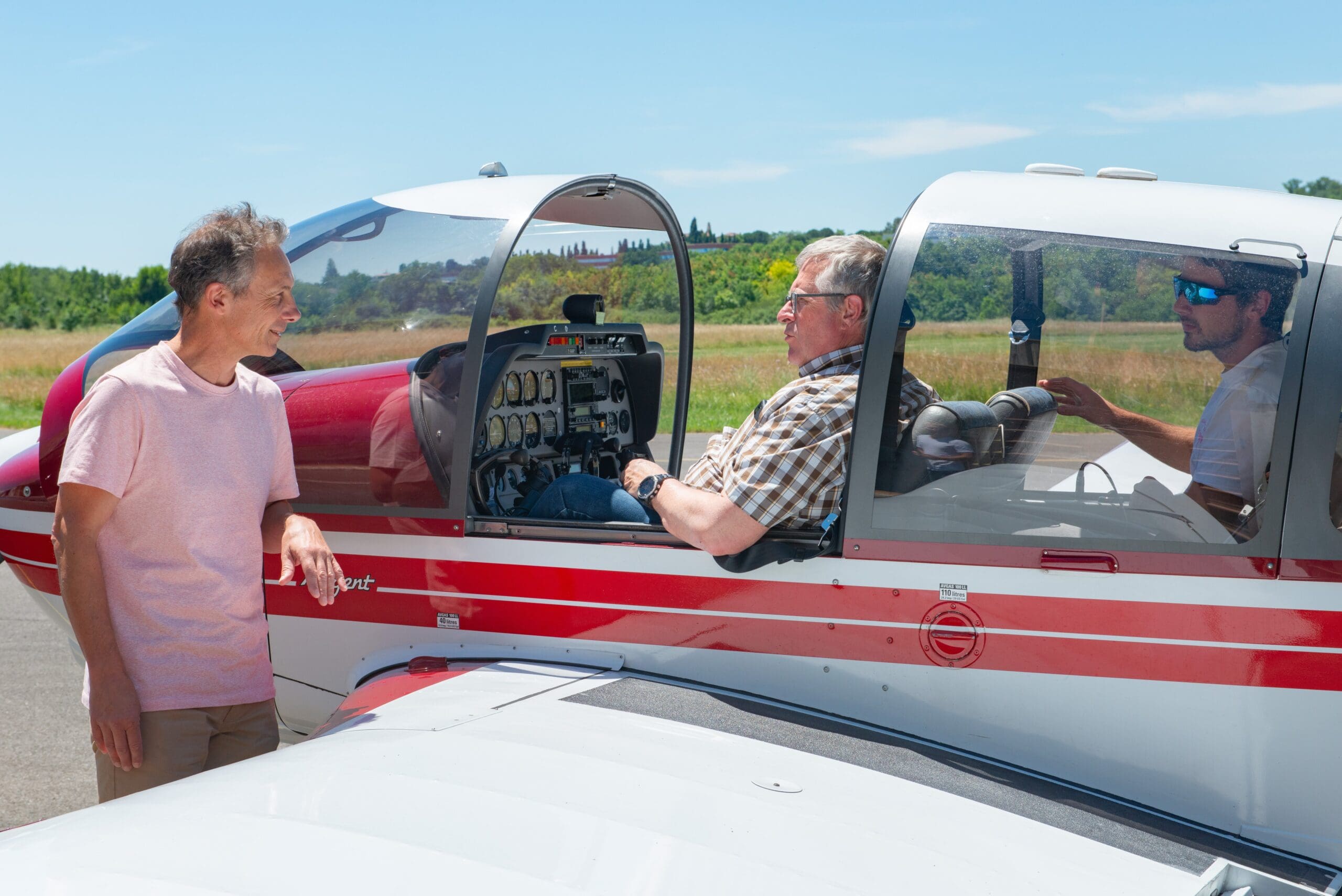
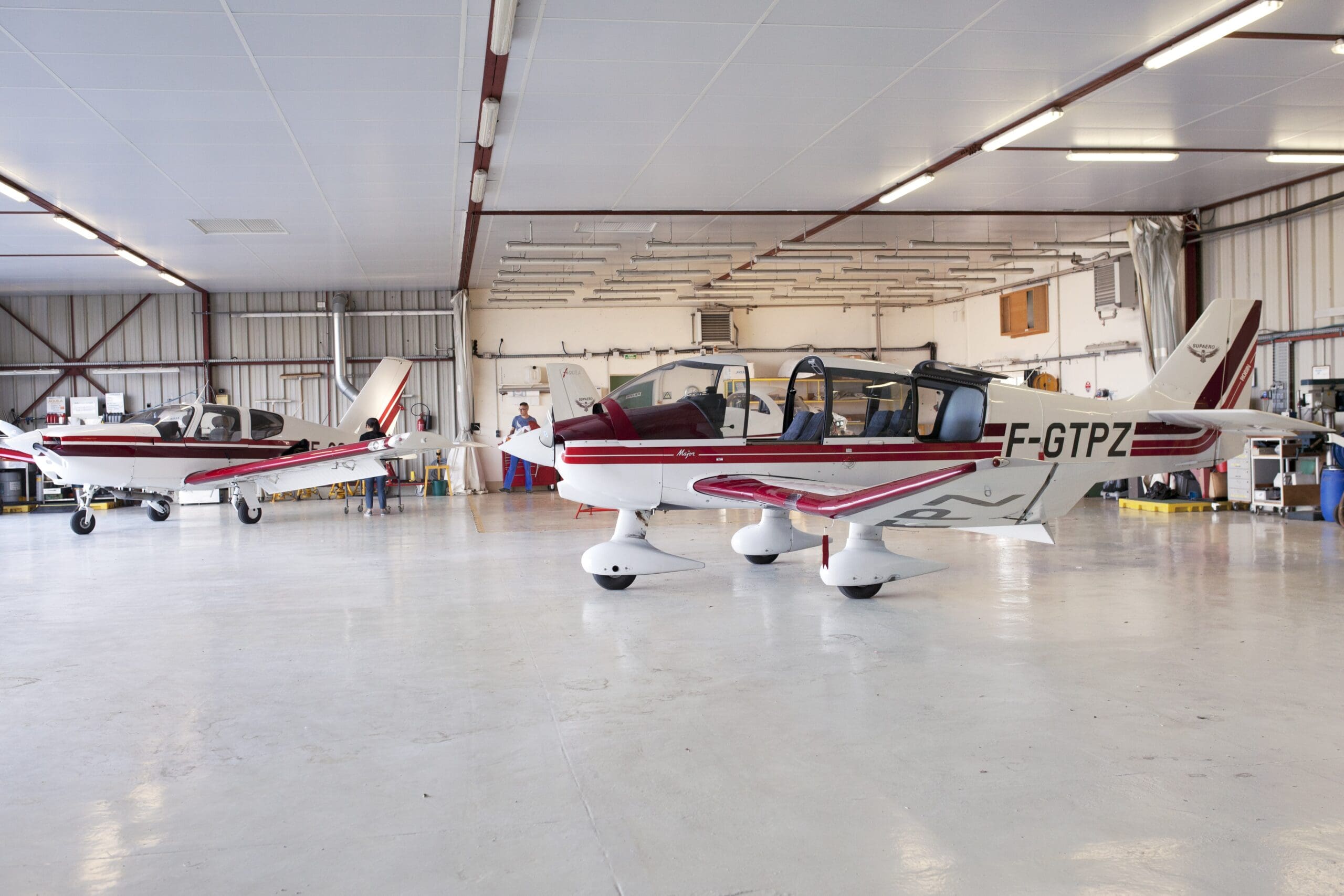
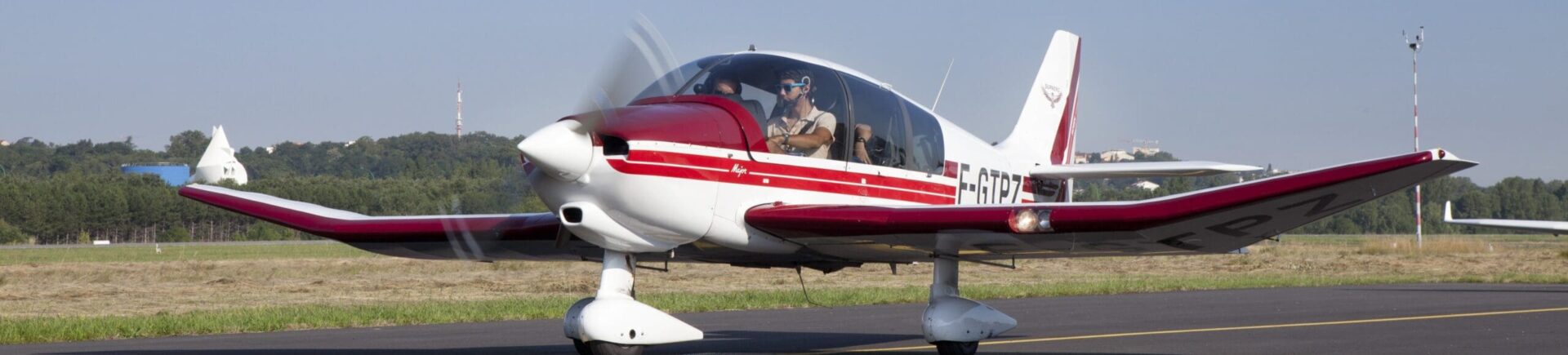
The ISAE-SUPAERO flight operations center at Lasbordes airfield has a fleet of 8 aircraft for introduction to flying and teaching support in the fields of flight mechanics and neuroergonomics.
The fleet is comprised of:
- 4 Aquila two-seater single-engine aircraft dedicated to initial flight instruction
- 3 single-engine, four-seater DR400s dedicated to initial flight instruction, training ISAE-SUPAERO students, and research activities
- 1 twin-engine Vulcanair P68 Observer 2, currently being instrumented for student training and research activities
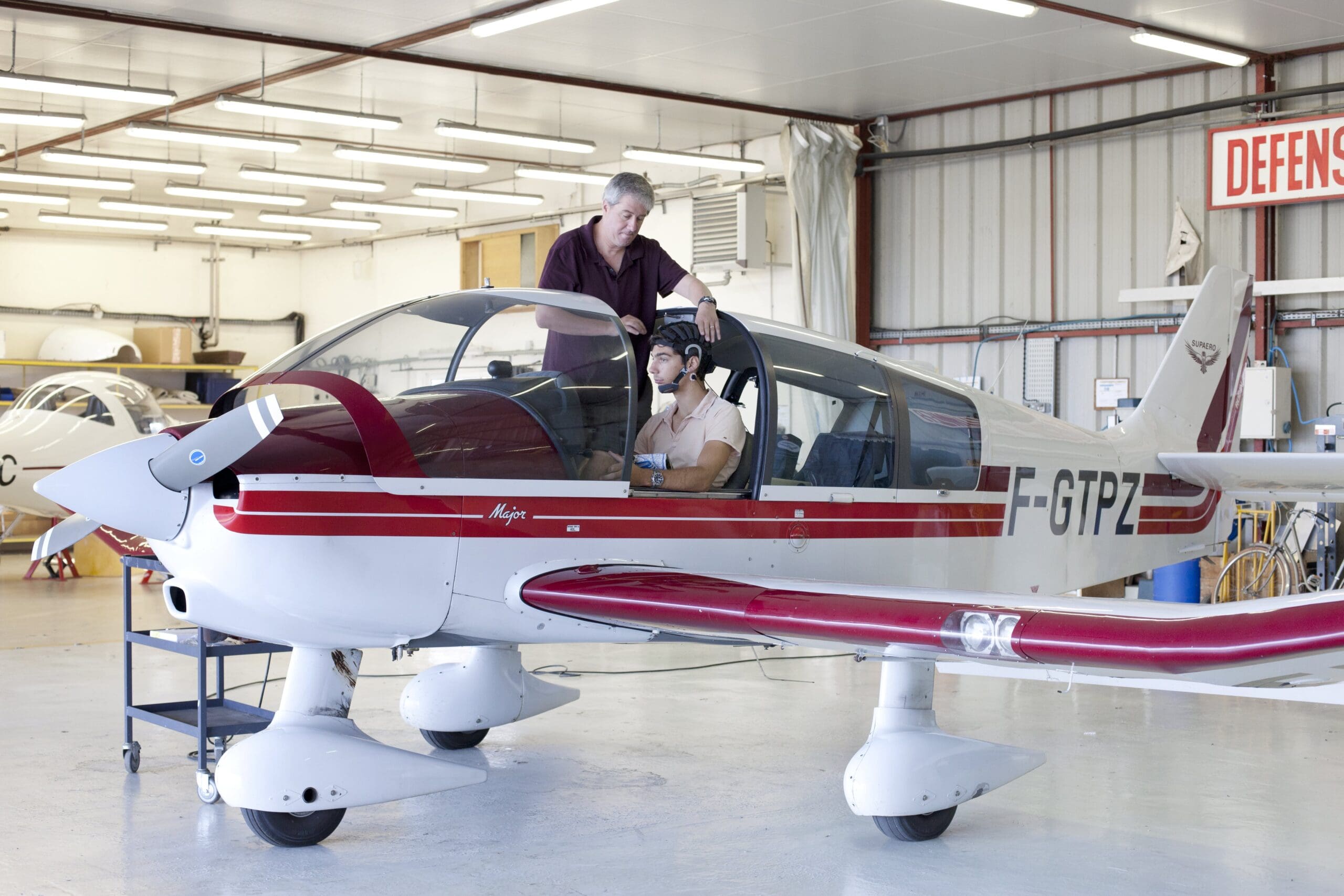
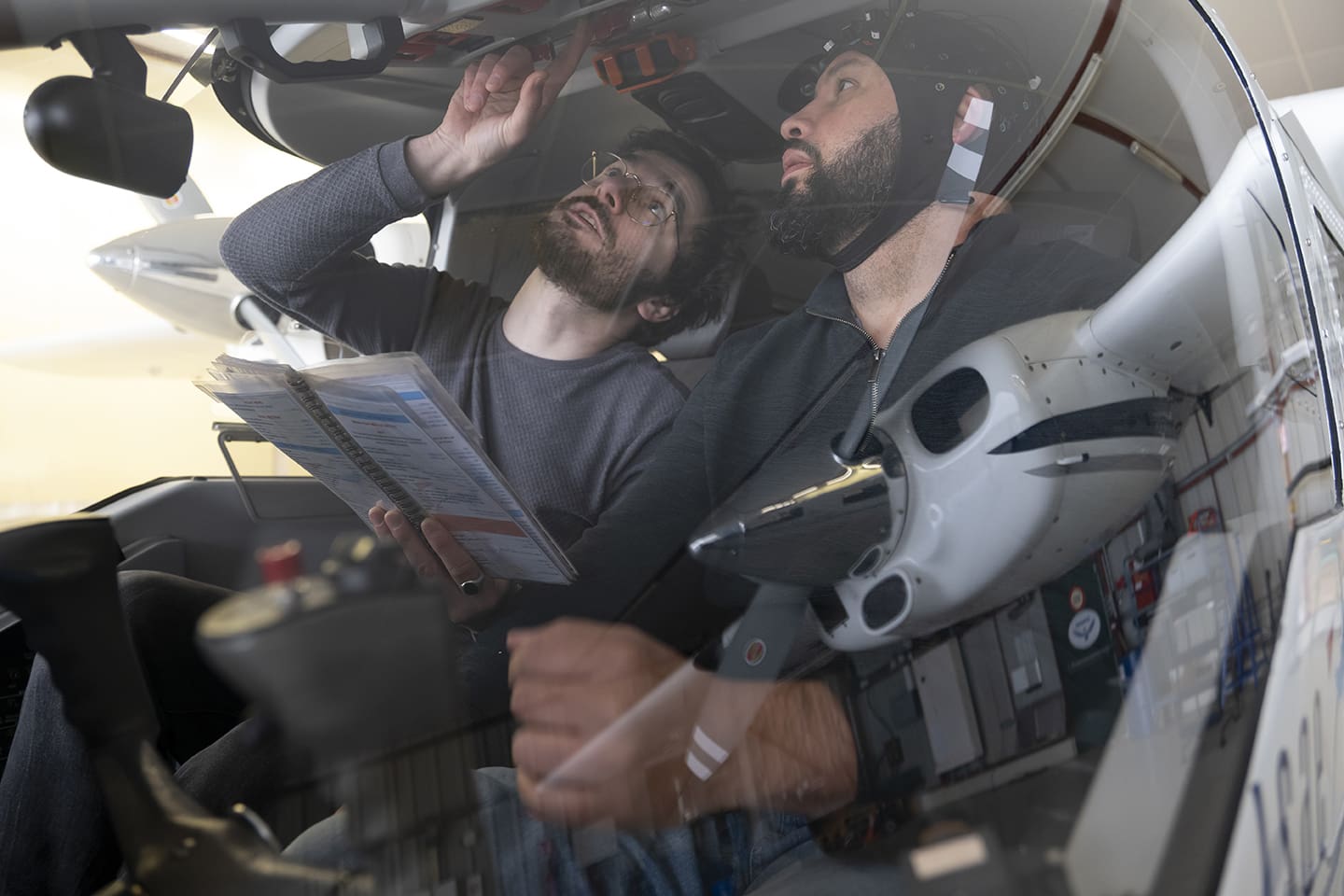
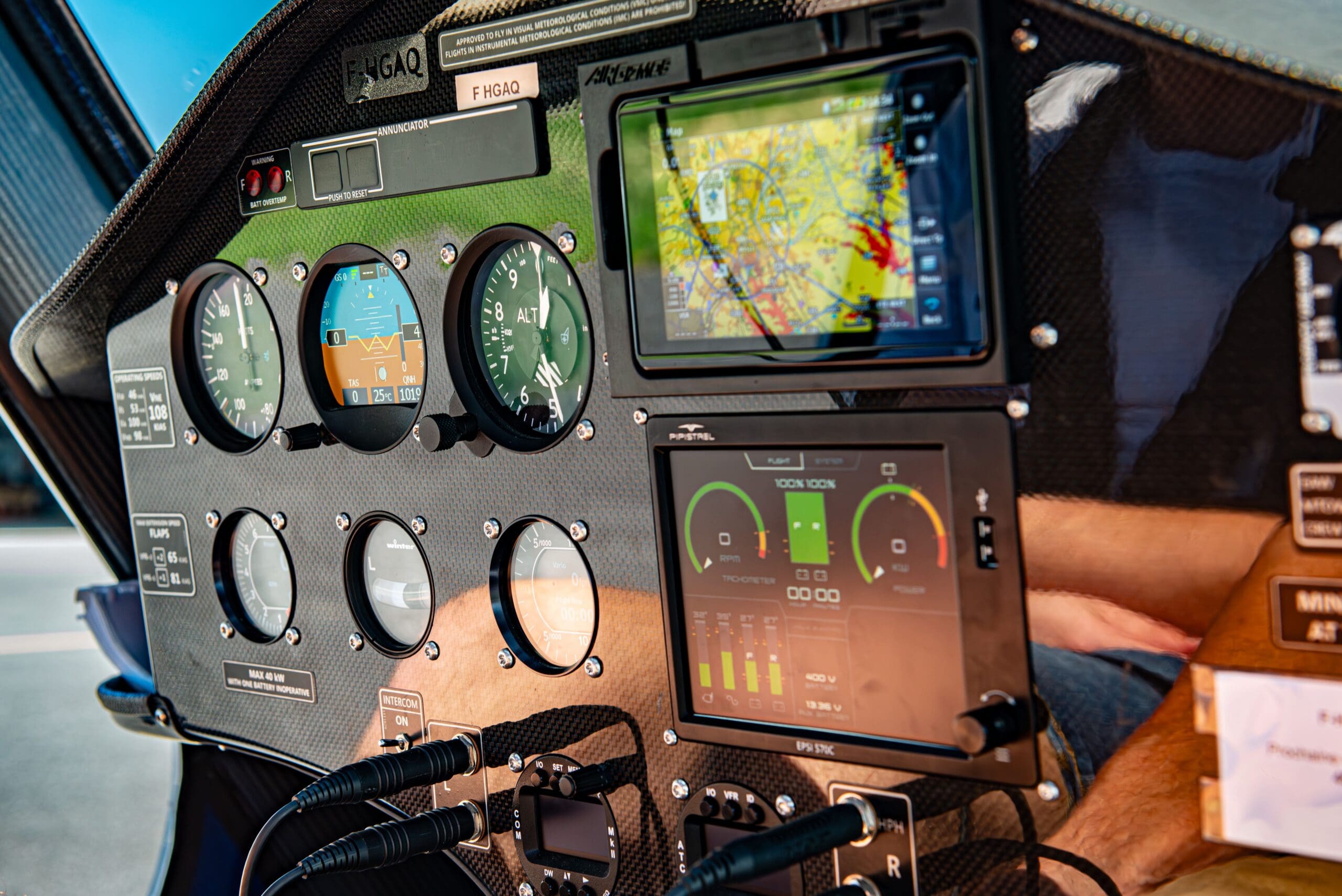
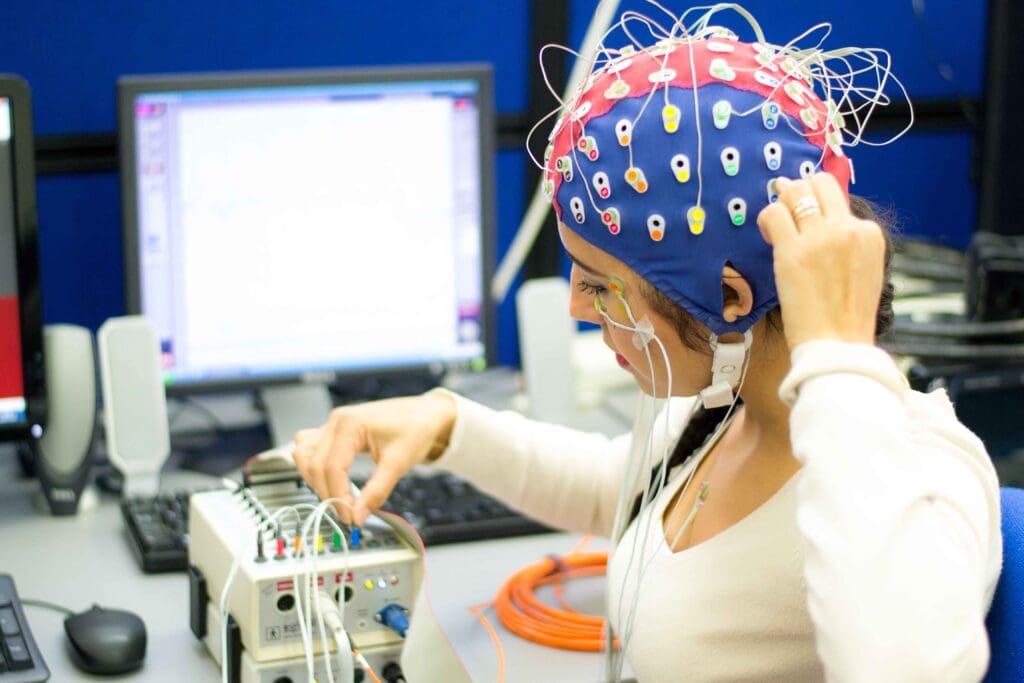
This aircraft is equipped with a telemetry system, enabling a flight to be followed in real time from the institute’s classrooms. It also features sensors capable of recording the pilot’s eye activity (eye trackers), brain activity, and more. Versatile, with a large payload capacity, it can also be fitted with optical sensors via a hatch under the fuselage.
The COAL maintenance unit is responsible for the day-to-day operation of the aircraft, fleet maintenance, and regulatory monitoring of airworthiness.
It also prepares and examines aircraft modification files required for research and training flights.
COAL's Activities
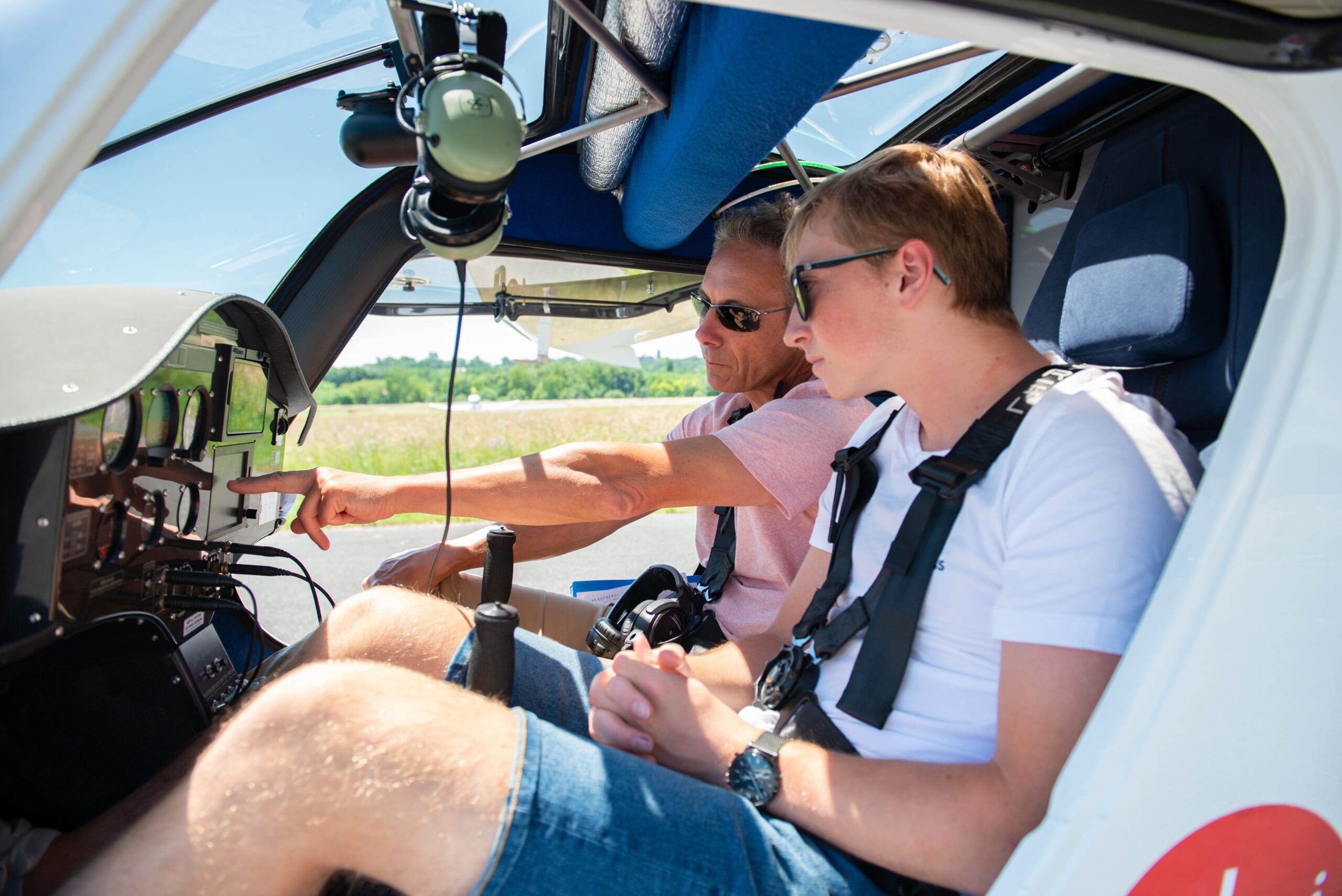
- Pilot training on light aircraft, open to engineering cycle and master’s students.
- Practical work in flight mechanics and initiation to flight test techniques for students and continuing education.
- Research flights in the field of human factors and any other area requiring in-flight sensors.
Directory
Discover the profiles of the 129 faculty members at the Institute who are pioneering research in aeronautics and space.
This resource allows you to explore the fields and research projects of our scientists.
Job Offers
Check out the vacancies for scientific staff in the research department
Thesis Offers
Check out the research department's thesis and post-doctorate vacancies
Internship Opportunities
Check out the Research Department's internship opportunities!
Design and Operation of Aerospace Vehicles Department (DCAS)
Our Research Department
The Department of Aerospace Vehicle Design and Control (DCAS) develops training and research activities to meet the scientific challenges of tomorrow’s air transportation and future space systems. It conducts cutting-edge research and develops advanced technologies, ranging from human-machine interactions to the integrated multidisciplinary design of aircraft or advanced space concepts, via system control and control laws.
Our research incorporates environmental and socio-economic aspects, such as reducing environmental impacts (fuel consumption, noise, emissions), optimising design cycle times and operational costs, increasing the safety of aerospace systems, and improving the efficiency of man-machine systems.
Permanent staff
Doctoral students, post-doctoral students and engineers
Aircraft
Sponsorship chairs
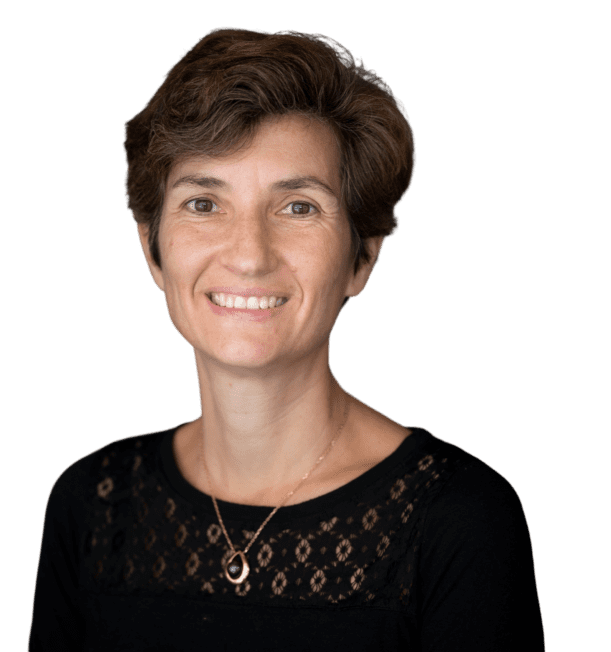
At DCAS, we design the aerospace systems of the future, integrating performance, sustainability and safety. Our research combines advanced technologies, systems intelligence and environmental responsibility to reinvent air and space transport.
Valérie Budinger Head of DepartmentOur Research Activities
DCAS is structured into 4 scientific groups:
- Decision and Control (DC): Dynamic and operational behaviour models, synthesis of control laws and sequential decision algorithms.
- Aeronautical Vehicle Design and Flight Dynamics (CADV ): Aircraft design, flight dynamics, aircraft operation and certification, sustainable air transportation
- Space Systems Design (CSS): Orbital systems, mission analysis, space systems design and optimisation, space exploration and access to space
- Humans, Systems and Interactions (HSI ): Monitoring and optimisation of human performance in contexts of interaction with natural or technological environments
They work collaboratively on the following 3 interdisciplinary themes:
The aims of this theme are to carry out research into the identification and control of degraded flight situations:
- Aircraft/drone: Critical flight situations (e.g. departure from flight envelope, inconsistency of complex parameters/pannes, sub-system failures)
- Crew/operator: Borderline cognitive states (e.g. attentional tunnelling, perseveration, fatigue)
- Guaranteeing control performance that is independent of uncertainties and parametric variations
- Defining 'intelligent' control and supervision processes to optimise flight safety
- Developing an adaptive control and driving system that is robust to failures
With the help of the many resources made available by the department - DCAS simulators, flying platforms (TB20, etc.), Neuroergo-lab, indoor aviary - this theme enables DCAS to innovate in the field of human factors (with the development of adaptive cockpits) and automation/decision: Fail-safe laws, self-reconfigurable control system for sub-system failures.
Through various fields such as flight mechanics, aircraft design (multiphysics and multi-domain modelling), and automatic control, this theme aims to define methods and algorithms for optimal integrated design, aerodynamic models, structure, propulsion, and environmental models; and study the strong and weak couplings between models.
The resources that are being developed, such as the Multidisciplinary Design Analysis and Optimisation (MDAO) design workshop and the flight demonstrator, are enabling innovation, with applications for the design of the BWB flying wing, distributed propulsion, the design of long-length aircraft, the design of sub-systems (electric de-icing systems, demonstrators), and implementation of a complete Multi-domain Modelling, Simulation, and Analysis workshop under the OpenMDAO framework.
The management of space debris and autonomous missions to asteroids are all issues targeted by this theme, which aims to study future concepts that are typically possible within a timeframe of 15 years or more, such as in-orbit servicing for telecommunications satellites, space traffic management, the architecture of manned bases on the surface of the Moon or Mars, etc.
Through systems engineering and automation, with the help of space systems design software suites integrating the tools already available at DCAS, this theme addresses the following points: Adaptation and/or development of design methods, with particular emphasis on the concept of interface, architecture of large structures for manned exploration missions, formalization of trajectories and attitude control from the launch phases to the rendezvous phases in LEO, GEO and LP orbits.
DCAS is involved in national and European research projects and works with a large number of industrial partners (major groups, SMEs, startups).
Decision and Control Scientific Group - DC
Research Themes
Theme 1: Methods and tools for modelling and controlling aeronautical and space systems and vehicles
- Synthesis of robust control laws for driving vehicles in severe conditions
- Control of aeronautical systems and vehicles meeting flight quality, certification, and energy consumption criteria
- Estimation and control of the flexible modes of high elongation structures
Theme 2: Decision-making under uncertainty, mission planning
- Secure and robust on-line planning for the autonomy of aerospace systems
- Improving the adaptability and safety of multi-agent systems
- Human-centred design of heterogeneous collaborative aerospace systems
Aeronautical Vehicle Design and Flight Dynamics Scientific Group - CADV
Research Themes
- Theme 1: Preliminary aircraft design
- Exploration of innovative aerostructure architectures
- Exploring new propulsion architectures
- Operability and maintainability of new architectures
- Safety and certifiability of new architectures
- Design of electromechanical de-icing systems
- Theme 2: Modelling and assessment of technologies and scenarios for air transport in the context of decarbonisation and transition
- Modelling the air transport system (fleet renewal, use of alternative fuels, economic models)
- Development of climate models
- Assessment of the environmental impact of decarbonisation solutions for air transport over their entire life cycle
Space Systems Design Scientific Group - CSS
- Access to space: physical modelling and design of new-generation liquid rocket engines
- Astrodynamics and mission analysis: modelling and optimisation of trajectories in non-Keplerian environments
- Robotic and manned space exploration combining systems engineering, space system design, on-board autonomy and human factors
- Sustainability of space activities
Human, Systems and Interactions Scientific Group - HSI
- Understanding brain function and human performance
Cognitive performance in stressful situations or during ageing
Massive data analysis applied to brain function
Development of brain-machine interfaces
Design of innovative integrated sensors for monitoring the state of the operator in extreme environments
Sustainable Aviation
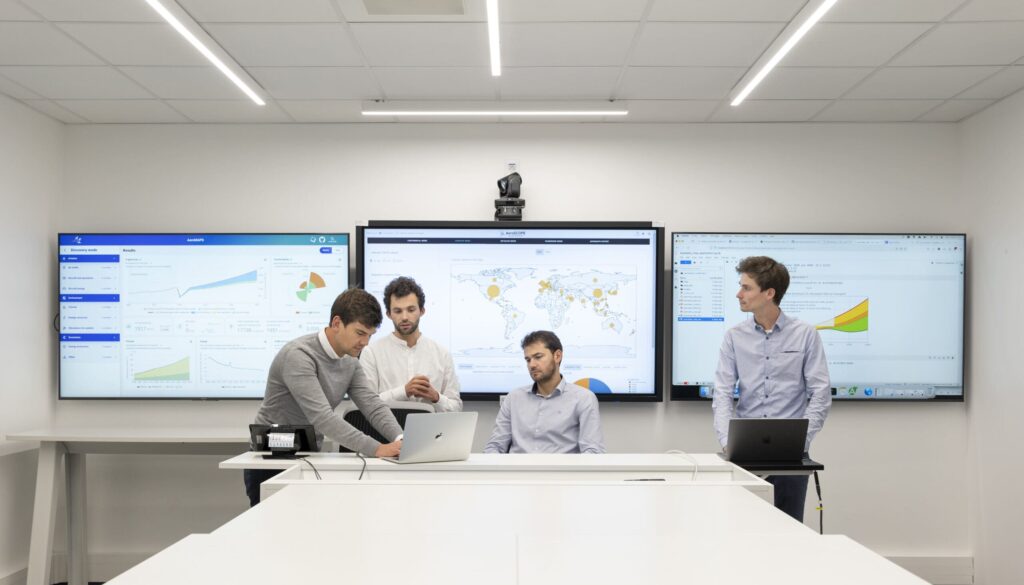
DCAS has developed AeroMAPS, an open source tool for modelling transition trajectories for the aviation sector, the result of three years of research within the department. Initially designed under the name CAST, this reference tool can be used to assess the climate impact of aviation, by integrating variables such as traffic volume, energy consumption and the type of fuel used.
Innovative and multidisciplinary, AeroMAPS takes into account all the climatic effects of aviation, beyond CO₂ alone, including contrails and nitrogen oxide emissions. Aimed at research, training and experts and decision-makers in the sector, it helps to inform strategic choices in connection with international commitments to combat climate change. With this work, ISAE-SUPAERO is asserting its active role in the public debate on the future of aviation.
Our Research Projects
- STOL and VTOL control
- Guidance and navigation strategy planning for UAVs in urban environments
- Hybrid hydrogen-powered regional aircraft
- Aviation carbon trajectories
- Design and optimisation of high aspect ratio wings
- Low-consumption electromechanical de-icing systems
- Mitigation of space debris
- Reusable launchers
- Real-time monitoring of human performance
Moreira Pinto, Adam Henrique, Lounis Christophe, Causse Mickaël, Ponzoni Carvalho Chanel Caroline, Online Metrics to Enhance Human-Artificial Agent Collaboration Efficiency:...
Low-frequency textured Gabor flicker enhances neural entrainment and visual comfort for brain-computer interface controlGomel Jules, Corsi Marie-Constance, Dehais Frédéric, Low-frequency textured Gabor flicker enhances neural entrainment and visual comfort for brain-computer interface control....
Goals and trends in space exploration: An overview of the panel on exploration sessions at the committee on space research general assembly 2024Andre Galli, Smith Heather, Blanc Michel, et al., Lizy-Destrez Stéphanie, Goals and trends in space exploration: An overview of the...
An online user-centric brain-computer interface based on code-modulated visually evoked potentials and partially observable Markov decision processTorre Tresols Juan Jesus, Ponzoni Carvalho Chanel Caroline, Dehais Frédéric, An online user-centric brain-computer interface based on code-modulated visually evoked...
An offline risk-aware policy selection method for Bayesian Markov decision processesAngelotti Giorgio, Drougard Nicolas, Ponzoni Carvalho Chanel Caroline, An offline risk-aware policy selection method for Bayesian Markov decision processes. 2026,...
Our Resources
The vast majority of these resources are managed by the technical group, which develops and implements a range of hardware platforms and software tools:
- Flight simulators (human factors research, flight mechanics training, piloting)
- An aeronautical software suite (flight mechanics, aircraft design, flight tests)
- A space software suite (orbitography, satellite energy subsystem, launchers, ground stations)
- UAVs and UAV systems
- Satellite ground segments (rooms and ground stations for satellite projects)
Certain platforms are used/developed in conjunction with other technical teams:
- The flight test software platform and the flight management software are developed with the Lasbordes flight operations centre
- The autonomous systems room is used and developed with the technical group of the Complex Systems Engineering Department (DISC) at ISAE-SUPAERO
Aeronautical Sector
The DCAS technical group is developing a software suite for teaching and research in the field of aeronautics.
These include tools for simulating aircraft movement (Longisim and Transsim), calculating performance or aiding design (Alcazar), and in-flight training with the TB20 instrumented aircraft (TB20 system). A final piece of software (Activol) provides flight management for the aircraft at the Lasbordes Air Operations Centre.
Flight mechanics: LONGISIM/TRANSIM software
These two software packages are dedicated to the study of the longitudinal and lateral movements of the aircraft. They allow simulations to be carried out according to the type of aircraft and flight characteristics (responses to steps, curves, 3D, etc.).
Aircraft design: “ALCAZAR” software
Alcazar is a software package for the complete study and design of an airliner. Weight estimates, fuselage sizing (number of seats per class, etc.), wing geometry, empennage, thrust settings, etc.
Numerous visualisations allow you to see the results of the design throughout the process.
Flight tests / Flight dynamics: The TB20 System
The “TB20 System” is a software package which, from an instrumented TB20 aircraft (25 parameters in telemetry), enables flight parameters to be displayed in real time or off-line: Flight dynamics teaching (in flight or on the ground), flight tests.
Flight management: ACTIVOL software
ACTIVOL is the software used for the day-to-day management of flights at Lasbordes. Statistics are extracted for the annual activity reports.
In the field of aeronautics, a wide range of equipment is available at the DCAS: Flight simulators (PEGASE, 6MOUV), a drone design workshop, and drone flying platforms.
PEGASE flight simulator
PEGASE: Platform for Experiments on Generic Aircraft Simulation Environment
This simulation platform, halfway between high-end simulation (6-axis training simulators) and individual computer simulation, is ideal for teaching flight mechanics and research into human factors.
This generic simulator can simulate any type of aircraft. The basic model for the activities is the Airbus A300.
Developments are fully managed by the DCAS technical group, which means that the platform can be adapted to any need arising from the scientific teams (research, experimentation, demonstrations, teaching, etc.).
Features
- Controls: Top-of-the-range equipment with pilot/copilot mini-sticks, rudder pedals, A320 throttles + trim wheels, FCU, MCDU.
- EFIS/ECAM A320 cockpit displays: Primary Flight Display, Navigation Display, Engine Warning Display, Flight Control. They are multiplatform and reusable for other projects.
- 3D visualisation: A panoramic 3D visualisation provides a view of the outside world. It comes from the FlightGear open-source simulator, but has been adapted to meet requirements (particularly for the HUD: Head Up Display).
- Movement: A 3-axis hydraulic system reproduces movement (pitch, roll, height).
- Audio server: Alarms, engines, animations (slats and flaps up/down, landing gear, rain, etc.).
6MOUV flight simulator
6MOUV is a single-seat, 3-axis platform, light aircraft (DR400) simulator based on Flight Simulator software.
Drones
Workshop
A workshop dedicated to the final phase of drone design is run at the DCAS.
UAVs
A number of stationary UAVs developed at DCAS have been produced in the workshop (VisionAir, ScolAir, ScanAir). A fixed-wing flying platform is currently being developed (ExpAir, for the ExpeDrone project).
Space Sector
The DCAS technical group is developing a software suite for teaching and research in the space sector.
These include tools for the simulation and design of space systems: SatOrb, SimuSat and SimuLaunch.
SATORB software
SatOrb is a complex multi-satellite, multi-station orbitography and mission analysis software package. It allows 2D and 3D display of satellites and constellations, as well as multiple analyses of access, visibility, coverage, and radio link assessments.
SIMUSAT software
SimuSAT is a software package for simulating a satellite's energy sub-system. The available modules also enable attitude control and simplified simulation of thermal behaviour. This constantly evolving software, combined with Satorb, is a powerful tool for simulating a complete space system.
SIMULAUNCH
Simulaunch is a simulator dedicated to the design of launchers and the study of their trajectory during launch.
DCAS also has space hardware resources: A ground station in Toulouse (UHF/VHF), a ground station in Cayenne (S-band), and a control centre for its nanosatellite projects, which is designed to be simple and generic.
UHF/VHF -T ground station
The ISAE-SUPAERO teams have a ground station for exchanging digital data with the satellite they want, in UHF/VHF, whether in uplink (remote controls) or downlink (telemetry). The station can operate autonomously and collect data from the satellite automatically. A room is dedicated to this ground station in Toulouse.
Ground station (S-band)
ISAE-SUPAERO has had an S-band station since 2000. For technical reasons, it was installed in Cayenne. In cooperation with MIT and RIKEN, it provided a network of ground stations located on the equator to respond to on-board-ground link problems, due in particular to the platform's equatorial orbit.
SCC: Simple Control Center
The control centre manages all the data exchanged between the satellite and the ground segment using lightweight, high-performance software tailored to the university context and state-of-the-art in terms of both data processing and man-machine interface. It is a robust, stable, reusable tool that complies as far as possible with existing European (ECSS) and international (CCSDS) standards.
Directory
Discover the profiles of our 130 faculty members who are pioneering research in aeronautics and space.
This resource allows you to explore the fields and research projects of our scientists.
Head of the DAEP Department
Job offers
Check out the vacancies for scientific staff in the DCAS research department!
Thesis offers
Check out the DCAS research department's thesis and post-doctorate vacancies!
Internship opportunities
Check out the DCAS research department's internship opportunities!
Scientific and research integrity
What is scientific integrity?
Scientific integrity refers to the set of rules and values that must govern research activities to ensure that they are honest and rigorous. Mentioned in the Research Code (article L. 211-2 of the Research Code), it “helps to guarantee the impartiality of research and the objectivity of its results”.
Scientific integrity is essential to the smooth running of research communities, and also forms the basis of a relationship of trust between the research community and other parts of society.
Beyond the specificities of each discipline, good practice in research is based on common principles, which are set out in the European Code of Conduct for Research Integrity:
- Reliability in the design, methodology, analysis and use of resources;
- Respect for colleagues, research participants, society, ecosystems, cultural heritage and the environment;
- Honesty in designing, carrying out, evaluating and disseminating research in a transparent, fair, complete and objective manner;
- Responsibility in carrying out research activities, from idea to publication, in their management and organisation, in training, in coaching and mentoring, and in the wider implications of research.
Scientific Integrity Officer at ISAE-SUPAERO
By signing this charter, the Institute undertakes to put in place an institutional policy on scientific integrity and to appoint a “scientific integrity referent”.
As such, Pierre Magnan, Professor Emeritus at the Institute, has been appointed Scientific Integrity Coordinator at ISAE-SUPAERO.
The role of the Scientific Integrity Officer (RIS) is to ensure that the Institute’s researchers comply with the main principles of scientific integrity as defined by OFIS, a department of Hceres, and set out in the European code of conduct and in the “French Charter of Ethics for Research Professions”: To aim for reliable, honest, respectful and responsible research and to combat breaches.
In particular, the referee must:
- To provide information on the implementation of the programme, and on a regular basis, for new arrivals;
- Participate in a training programme for doctoral students in conjunction with the École des Docteurs;
- Ensure that the laboratory notebooks are regularly kept, via the departments;
- Run a web page on the Institute’s website (raising awareness, examples of breaches);
- Participate in the network of scientific integrity officers at the various institutions;
- Keeping an up-to-date list of breaches, with regular reports to the Director General.
Scientific Integrity Coordinator (RIS) at ISAE-SUPAERO
For any request for advice or to report a possible breach of scientific integrity (SI):
Pierre Magnan
What is a breach of scientific integrity?
Any practice that undermines the reliability of results and the proper functioning of research communities is likely to constitute a breach of scientific integrity. A breach may concern all aspects of research activities in all disciplines, whether public or private.
Instruction procedure
Any person acting in good faith who is aware of a possible breach of scientific integrity may send a report to the Scientific Integrity Officer.
Receipt
The allegation of misconduct is sent by email or post, signed and dated. This statement describes the situation and the people involved. The whistleblower’s anonymity is guaranteed by the Scientific Integrity Officer.
Admissibility of the report
During the preliminary investigation phase, the officer in charge verifies that the report is sufficiently detailed to allow action to be taken. If an investigation is launched, he or she quickly informs the persons implicated.
Investigation
In all cases, absolute priority is given to the facts and to the presumption of good faith on the part of the persons concerned. It is understood that, at any stage of the procedure and whenever possible, the Reporting Officer may propose mediation to the persons concerned, in order to resolve the situation through a series of appropriate measures accepted by all parties.
The investigation is carried out in an adversarial manner, with uniform treatment, and if necessary involving independent experts. An inventory of the facts reported, the facts established and the arguments put forward by the various parties leads to the drafting of a report by the Scientific Integrity Officer, which may include recommendations. The report is submitted to the President of the University.
Follow-up
The Director General of ISAE-SUPAERO is responsible for deciding what action to take on the investigation report.
Scientific integrity, research ethics and professional conduct are three essential components of responsible research conduct.
Scientific integrity refers to good practice in the production and dissemination of scientific knowledge. It guarantees the honest and rigorous nature of research activities.
Ethics refer to a set of obligations specific to the practice of a profession. In France, when a researcher is a civil servant, his or her obligations are set out in the General Civil Service Code.
Research ethics concerns, on the one hand, the major issues raised by certain scientific developments and, on the other hand, the more operational issues of compliance of research protocols with the legal rules and ethical recommendations in force.
Ethics refer to a set of obligations specific to the practice of a profession. In France, when a researcher is a civil servant, for example, his or her obligations are set out in the General Civil Service Code.
- The planning and implementation of the research project: Failure to obtain the necessary authorisations (ethical approval, consent of participants); non-compliance with authorised protocols; misuse of research funds.
- Management and practices relating to data of any kind (including bodies of text, archives, images, etc.): Falsification or fabrication; deliberately deficient management or archiving; retention without legal justification, omission or selection without scientific justification; problematic statistical processing; unmentioned embellishment.
- Publication, communication and authoring practices: Plagiarism; improper signature or failure to acknowledge a contribution; self-plagiarism; non-compliance with AI usage requirements; improper or biased citations; lack of impartiality or transparency when speaking publicly.
- Interactions between peers: Biased peer-reviewing, appropriation of research projects or ideas, lack of supervision, undue hindrance of the progress of a peer's work, unfounded accusations of misconduct.
- Failure to declare links or conflicts of interest, or their poor management at all or part of the stages of a research activity (e.g. application for funding, evaluation, expert appraisal and dissemination of results).
- The most serious forms of misconduct - such as fabrication, falsification of data and plagiarism (FFP) - are liable to disciplinary action.
Reference texts on scientific integrity
- ANR Charter of ethics and scientific integrity
- European Code of Conduct for Research Integrity
- Singapore Declaration on Scientific Integrity
- The Corvol report
- French Office of Scientific Integrity
- Report by the CNRS Ethics Committee (COMETS) – “Ethical reflection on plagiarism in scientific research”.
- Guide “Practising research with integrity and responsibility” published by the CNRS
As developments in this area, both nationally and internationally, are fairly frequent, it is advisable to refer to the Ofis website, which is regularly updated.
Research
Our scientific activities cover a broad spectrum of strategic themes, closely linked to the major challenges facing the aerospace sector. Supported by our research departments, our activities combine academic excellence, technological innovation, and responses to industrial and societal challenges. Thanks to our complementary approach and our openness to interdisciplinarity, the Institute is positioned as a major player in French and international research.
Our research policy is resolutely focused on the technological challenges of tomorrow, in response to the emerging needs of the aerospace and high technology industries. This dynamic approach is underpinned by close collaboration with industry, through sponsorship agreements in strategic areas, and the active participation of a large number of professionals in teaching, who pass on the latest innovations and best practices in the sector.
Research at ISAE-SUPAERO
International
ISAE-SUPAERO's research contributes to its position as an international leader for its general engineering curriculum, its post-graduate courses, in particular Master's degree in aerospace engineering (MAE), Advanced Master® and doctorate (PhD) programmes.
Interdiscplinary
We combine an interdisciplinary approach with advanced research into scientific knowledge, models, methodological approaches, and tools for the design of aeronautical, space and embedded systems, from the expression of requirements and specifications through to verification and validation (V&V) or qualification with planned future certification.
Innovative
ISAE-SUPAERO's scientific strategy addresses the societal and industrial challenges of sustainable development and the performance of aerospace systems, including issues of safety, security, resilience, competitiveness, (digital) virtualisation, new technologies, processes, services or innovative concepts.
ISAE-SUPERO's research activity has developed considerably in recent years.
- The Institute's laboratories employ around 400 people.
- The campus is also home to ONERA's Toulouse research centre, which also has 400 employees.
The ISAE-SUPAERO and ONERA laboratories cover a wide range of activities and disciplines related to aeronautics and space - from aerodynamics to neuroergonomics to the development of new technologies in
electronics, signal processing, and structural mechanics. Nearly 300 doctoral students are enrolled at ISAE-SUPAERO.
The ISAE-SUPAERO laboratories are open to all our students. The campus has been designed to combine research and teaching areas, and to ensure that students have easy and permanent access to researchers.
Our campus is also adjacent to that of Paul Sabatier University and major CNRS laboratories such as LAAS and the Midi-Pyrénées Observatory - partners that offer many opportunities for discovery or work placements for our students who are interested in research.
At ISAE-SUPAERO, we can count 129 faculty members.
The general engineering curriculum includes extensive exposure to research. In the second year, our faculty offer students research placements in the school's laboratories or those of our partners in Toulouse.
Some teaching activities, such as Experimental Practice' in the first year or practical work as part of elective or third-year courses, also take place in research laboratories. Our doctoral students are also on hand to give lectures and tutorials.
For students who are interested in doing a thesis, a 'research pathway' has been set up, which allows them to adjust their schooling and spread their third year over two years, so that they can do work placements in several laboratories, particularly abroad, before starting their thesis.
Our engineering students can also take a research-oriented Master's degree during their third year, with courses that allow them to combine a general engineering degree with a Master's degree in fields such as the sciences of the universe or operational research. As a result, around 15% of our students go on to do a PhD, either with us or in other laboratories in France or abroad.
5 Strategic Priorities
ISAE-SUPAERO’s scientific policy for aeronautical and space systems is organised into 5 strategic areas:
- Integrated design for aerospace system performance, operational safety, and the environment
- Models and optimisation for energy efficiency, the environment, and competitiveness
- Earth observation, environmental monitoring, and space exploration
- Resilient telecommunications, networks, and connected cyber-physical systems
- Data analysis, decision sciences, and mastering complexity
5 Research Departments
As part of its missions and under the aegis of its Research Council, ISAE-SUPAERO and its 5 departments, carries out its scientific strategy in two research units (laboratories evaluated by the HCERES):
- ISAE-SUPAERO Research, a multidisciplinary laboratory and the Institute’s own unit
- Institut Clément Ader (ICA) UMR n°5312 of the CNRS, a solid mechanics laboratory in the Midi-Pyrénées region under the supervision of the CNRS, UT3, INSA, MINES-ALBI, and ISAE-SUPAERO
and with the support of 5 doctoral schools in the Toulouse area.
ISAE-SUPAERO leads scientific, disciplinary, or cross-disciplinary themes, as well as cross-disciplinary research and innovation actions (ATRI), which are extended into national scientific interest groups: the 'Microdrones' and 'Centre Spatial Universitaire Toulousain' GISs.
LACS research is housed in the LISST and LAIRDIL laboratories at UT2 Jean Jaurès, which are evaluated separately.
ISAE-SUPAERO's partnership with ONERA and ENAC is a key element of the higher education and research cluster dedicated to the 'aeronautics and space' sector on the Toulouse Midi-Pyrénées Federal University site.
OPEN SCIENCE: ISAE-SUPAERO'S SCIENCE AVAILABLE TO ALL
Discover OPEN SCIENCE: Our new open archive platform.
Anyone can access our theses, publications, scientific instruments, and technological platforms.
DEOS
The Electronics, Optronics, and Signal Processing Department (DEOS) develops and produces payloads for tomorrow's advanced aeronautical and space applications. The skills of its teams cover a wide range of technologies, from the design of silicon sensors to interplanetary scientific payloads, and from signal theory studies to advanced communication and navigation systems.
Further Information
DCAS
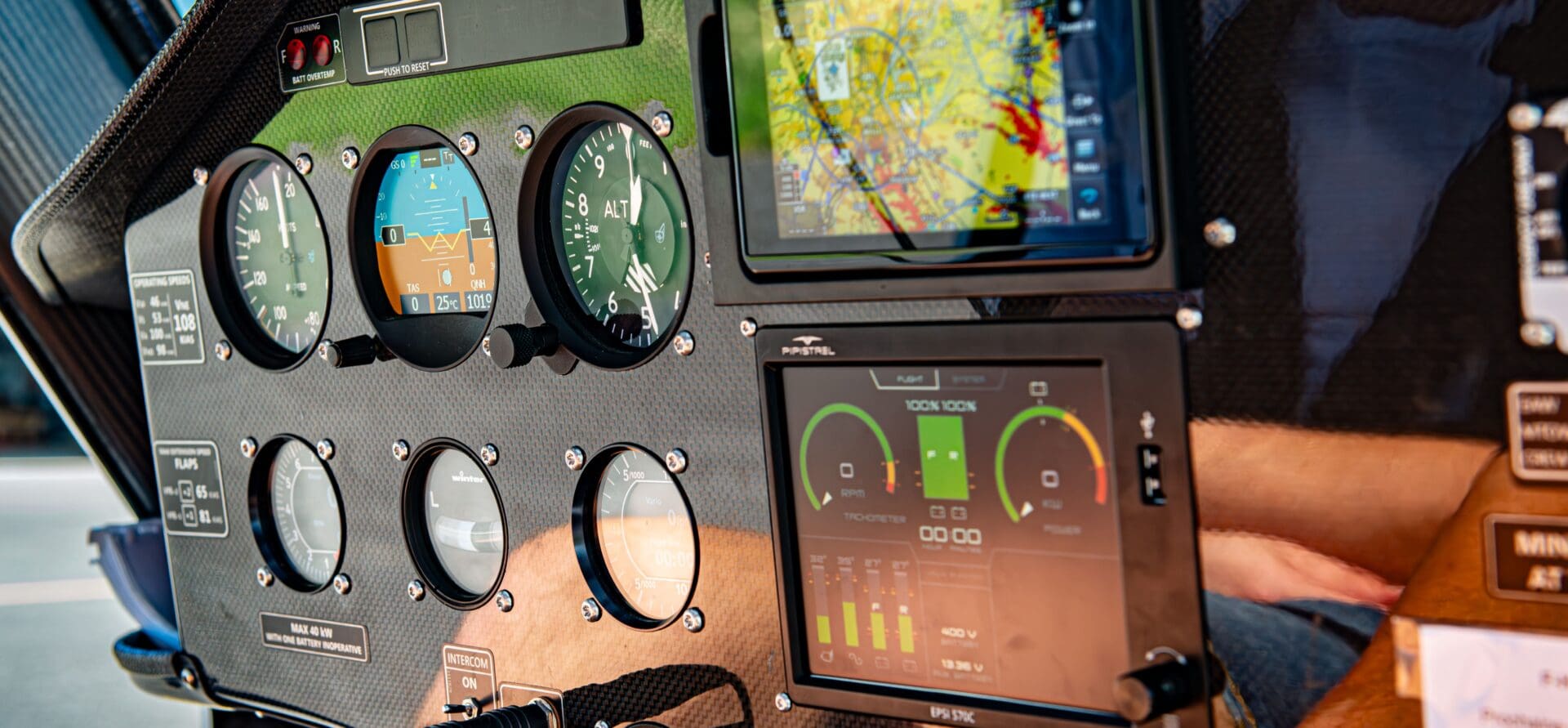
The Aerospace Vehicle Design and Operation Department (DCAS) develops methods, simulation tools, and experimental platforms for the design and operation of aerospace vehicles.
Further Information
DISC
The Department of Complex Systems Engineering (DISC) develops skills in mathematics and computer science for aeronautical and space engineering. In both teaching and research, it focuses on the models, methods, and tools needed to control the behaviour and performance of complex systems. This complexity may be induced by the multi-physics or multiscale nature of the systems studied, their dynamic behaviour, or their distributed and communicating structure.
Further Information
DAEP
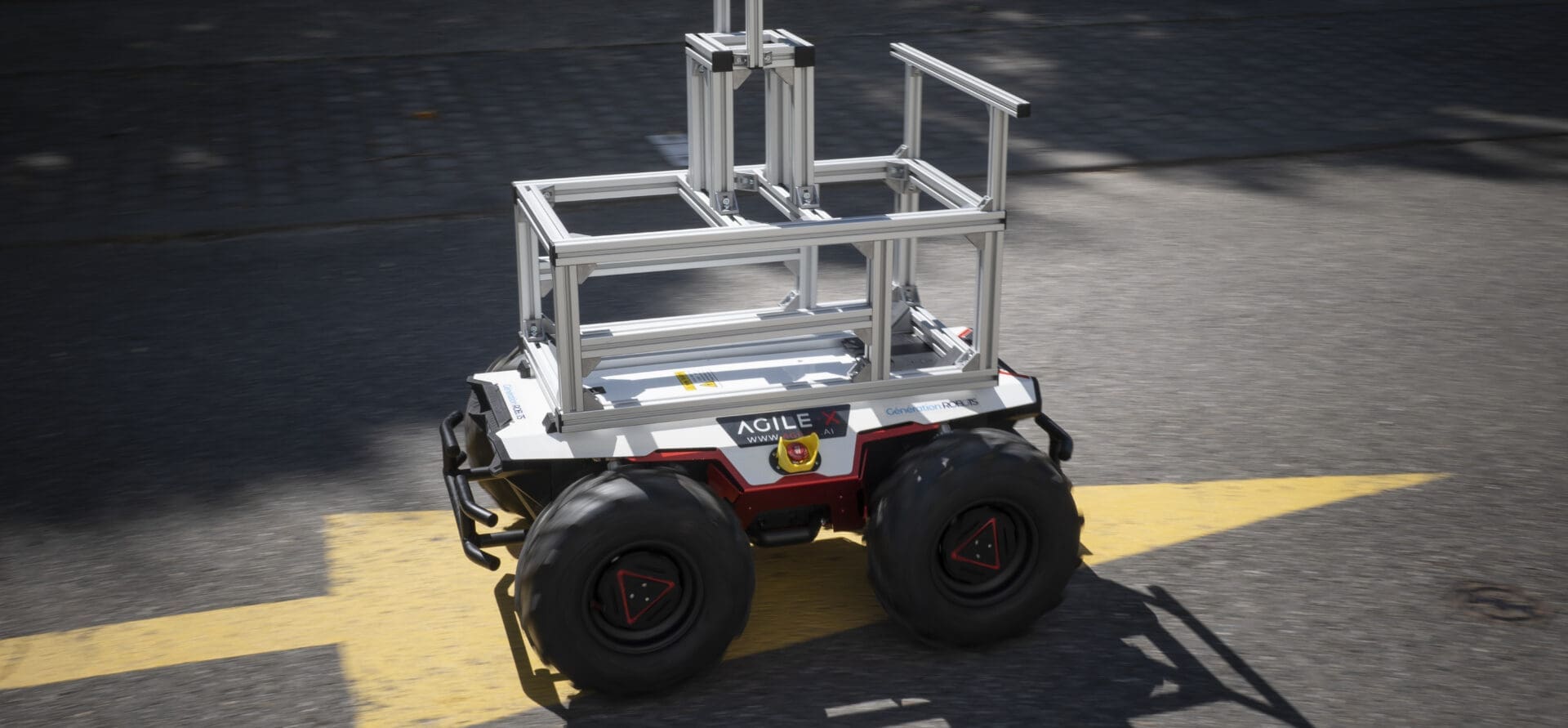
The Aerodynamics and Propulsion Department: 62 people, 30 research projects, including 5 on a European scale, an exceptional fleet of test facilities for teaching and research purposes, 3 research groups contributing to a growth strategy focused on 4 themes with topical scientific and social-economic challenges, supported by 2 structuring projects: the SAA wind tunnel and the IC3 large-scale simulation code.
Further Information
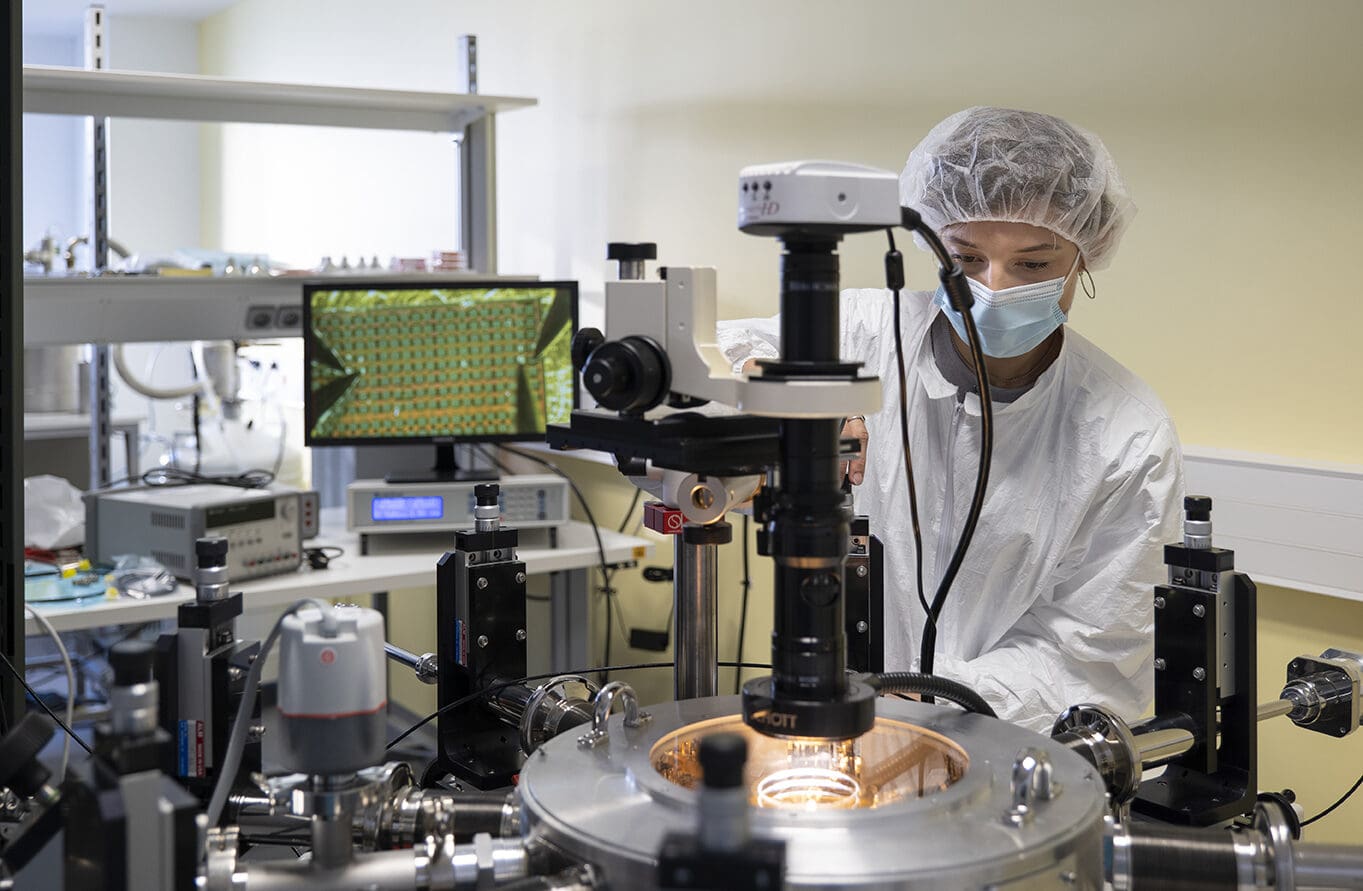
DMSM
The role of the Structures and Materials Mechanics Department is to organise and supervise all teaching activities in the mechanics of deformable solids for ISAE-SUPAERO courses, in synergy with upstream and applied research activities on aeronautical materials and structures. This strong interaction between teaching and research is the basis of our department's organisation.
Further information
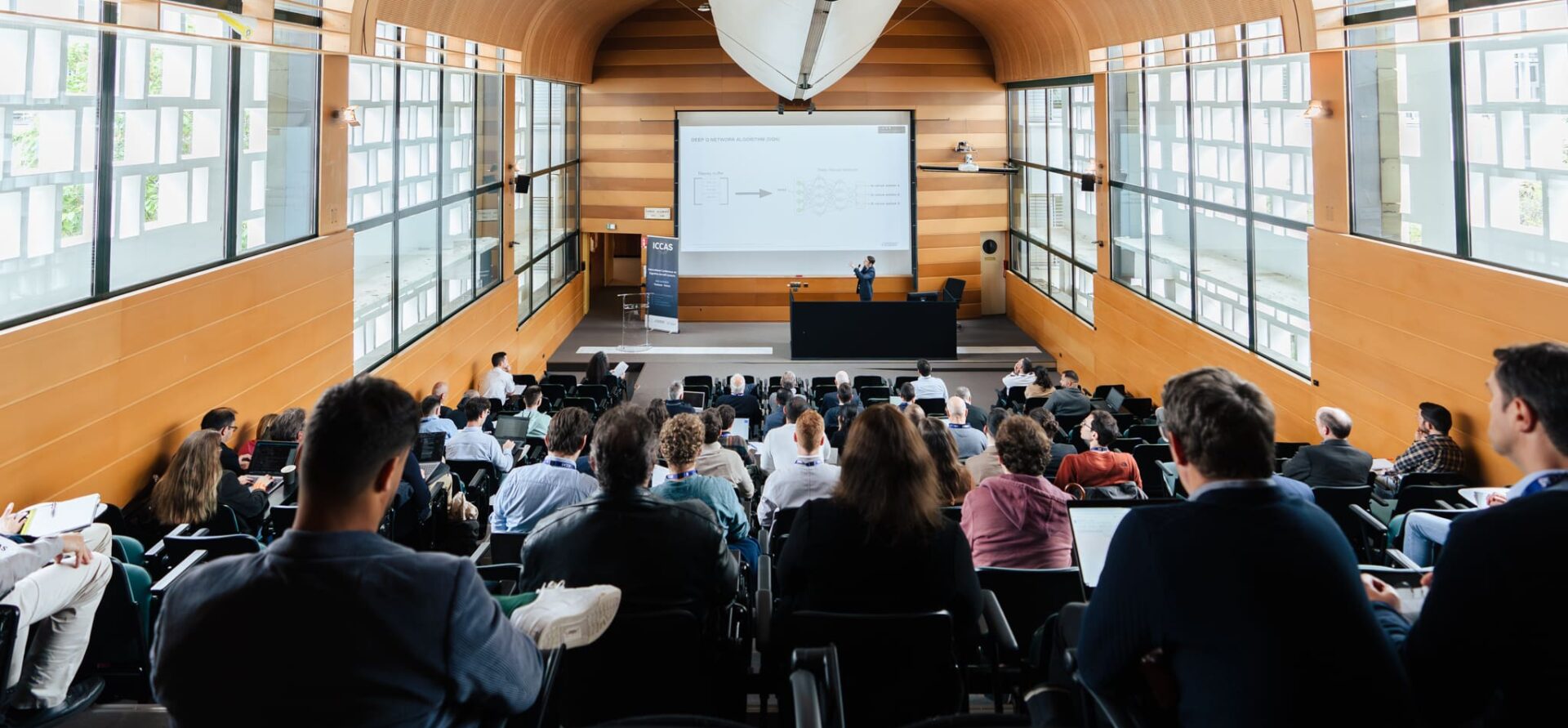
LACS
In the Languages, Arts, Cultures, and Societies Department, we teach languages, interculturality, geopolitics, general culture, economics, sport... Multi-dimensional skills that bring out knowledge, interpersonal skills, know-how and interpersonal skills.
Further Information

Testimony from Stéphanie Lizy-Destrez, elected member of the Air and Space Academy
Meet Stéphanie Lizy-Destrez, elected to the Académie de l'Air et de l'Espace
– At ISAE-SUPAERO, Stéphanie Lizy-Destrez heads up SaCLaB, a research laboratory on the space systems of the future.
– A professor of space systems engineering, she has just been elected to the Académie de l’Air et de l’Espace.
– This is recognition by her peers of a brilliant and atypical career in the service of a passion: space exploration.
Key dates
1971: Born in Toulon (Var).
1995: Graduates from Supaéro (S1995).
2008: Working for Altran Technologies, part of the team of engineers operating the Jules Verne cargo ship, the first ATV (Automated Transfer Vehicle).
2009: Joins ISAE-SUPAERO as a lecturer in space systems engineering.
2015: Defends her doctoral thesis on "Optimisation of operational scenarios for crew rotations and refuelling of the cargo of an international station at the L2 Lagrange point of the Earth-Moon system" as part of a joint ISAE-SUPAERO / University of Stuttgart degree programme.
2017: Takes charge of SaCLaB, a research laboratory on advanced space systems, as part of a sponsorship chair with Airbus and ArianeGroup.
2022: Obtains her Habilitation à Diriger des Recherches, awarded by the University of Toulouse, on "Rendez-vous spatial: De l'orbite terrestre à l'environnement cis-lunaire".
2024: Elected Correspondent of the Académie de l'Air et de l'Espace.
Stéphanie Lizy-Destrez describes her career as “atypical”. But there is one thing that remains constant: Her burning passion for space.
This passion finds fertile ground in his native Provence, “where shooting stars are so bright”. And the Nice Observatory, the subject of a school trip at primary school. On her return, the schoolgirl couldn’t stop wondering about the Universe… and drawing her thirst for knowledge from books. “There was a mobile library that passed through the village where I lived. I used to borrow all the books on science. I was particularly struck by a story about Marie Curie told by her daughter. It was at that moment that she made her decision: She too would become a scientist. But in the field of space.
During her secondary education, she heard about Supaéro. The École Nationale Supérieure de l’Aéronautique et de l’Espace in Toulouse became her goal. During her preparatory studies at the Lycée Thiers in Marseille, she met an “exceptional” maths teacher who encouraged her to go down this path. A teacher who would later become… that of Arnaud Prost, another ISAE-SUPAERO alumnus and current ESA reserve astronaut.
"Astronauts in jeans"
Stéphanie Lizy-Destrez passed the Supaéro entrance exam in 1992 and obtained her engineering degree in 1995. After working in mechanical and automation engineering at Aerospatiale les Mureaux (now ArianeGroup) and Matra Marconi Space (now Airbus Defence and Space), she joined Altran Technologies, where she stayed for 13 years.
One experience made a particular impression on her: “In 2008, I was part of the team of vehicle engineers in charge of developing and piloting the first ATV, a cargo spacecraft developed by ESA to supply the ISS.” We were known as the “astronauts in jeans”! I flew the first ATV from CNES in Toulouse. It was fantastic. I had five screens in front of me and I had to stay focused while bottles of champagne were being opened all around me!
That same year, she applied for the ESA astronaut selection process, during which another Supaéro alumnus, Thomas Pesquet, was chosen. Fate took her elsewhere: “My former professor at Supaéro, Bénédicte Escudier, contacted me about a teaching position in Systems Engineering at ISAE-SUPAERO. I thought, why not?”
From space rendezvous to advanced space systems
In her new role, she has discovered a passion for teaching, and in particular for supporting students. She found “the human side that was missing when I was an engineer”. At the same time, she began a doctoral thesis on space rendezvous – when two vehicles reduce their distance to become one – with a double degree from ISAE-SUPAERO and the University of Stuttgart. “It was interesting for me to discover the theory after having dealt with this subject operationally as an engineer”. After defending her thesis in 2015, she began supervising doctoral and post-doctoral students. She is also responsible for the Advanced Master® TAS Astro.
Her colleagues describe her as a teacher and professor who is very present and attentive. “She is very welcoming and, despite her busy schedule, she always finds time for her students and her colleagues,” notes Spencer Boone, a post-doctoral student in space mechanics. “After Covid, I was struggling to find a work placement. She opened the doors of her lab to me and we worked on my internship topic together,” says Augustin Gallois, now a PhD student under her supervision. Francesco Sanfedino, a lecturer and researcher in space systems control in his laboratory, remembers his years as a student engineer at ISAE-SUPAERO: “Stéphanie gave us the great opportunity to work on a research project based on a CubeSat. At the time, we knew nothing about the research environment, but our paper was selected for an international conference. It opened doors for me and my partner”.
Researching the future and under-explored subjects
In 2017, as part of a sponsorship chair with Airbus and ArianeGroup, Stéphanie Lizy-Destrez took over as head of SaCLaB (Space Advanced Concepts Laboratory), “a research laboratory on advanced space systems, along the lines of what is done in major American universities”. The laboratory is looking at orbital systems, future space transportation and robotic and manned space exploration in a future of more than 15 years (see box below).
The team works “on major international programmes and our research is funded by organisations such as ESA, CNES and groups like ADS and Thales”, explains Stéphanie Lizy-Destrez. But we are also working on subjects that are rarely tackled. “Stéphanie is one of the few specialists in space mechanics in France,” says Spencer Boone. Augustin Gallois, whose dissertation is on the eco-design of a lunar habitat, says that “we have the opportunity to study many aspects of a little-explored subject”.
A Chevalier des Palmes Académiques and active in a number of learned societies, Stéphanie Lizy-Destrez was elected Correspondent at the Académie de l’Air et de l’Espace, based in Toulouse, at the end of May. She joins two other active professors at ISAE-SUPAERO, Yves Gourinat (appointed full member) and Frédéric Dehais (correspondent). This is yet another accolade for this enthusiast, who is just one experience away from being fulfilled: travelling in space. “I tried my luck again when the ESA selected its astronauts for 2022. I went as far as the psycho-technical tests… But I’m not giving up. I’ll find a way!”
The Space Systems Design team (SaCLaB)
Part of the Design and Operation of Aerospace Vehicles (DCAS) research department, the Space Systems Design team is made up of five full members (Stéphanie Lizy-Destrez, Annafederica Urbano, Joan Pau Sanchez-Cuartielles, Thibault Gateau and Francesco Sanfedino), three post-docs and fifteen PhD students, who are supported by around sixty students working on research projects.
Its main areas of research are in-orbit servicing (space rendezvous, trajectory optimisation, quantification and propagation of uncertainties); monitoring and reduction of space debris, particularly in cislunar environments; advanced space transportation (reusable launch vehicles, space propulsion, refuelling in space and fuel storage); robotic and human space exploration (optimisation of interplanetary trajectories to the Moon, Mars, Phobos, Enceladus and asteroids); AI for autonomy and distributed systems; eco-design of lunar bases; characterisation of the impact of isolation and confinement on crew performance.
The environmental and societal impact of space missions is a theme that cuts across all research projects.
The Air and Space Academy
It is based in Toulouse and is made up of French and foreign members and correspondents who hold, or have held, major responsibilities in their respective fields related to aeronautics and space. They represent a unique pool of knowledge in Europe, with the aim of encouraging and promoting the development of high-quality scientific, technical, cultural and human activities in the fields of Air and Space. The correspondents liaise between the Academy and national and international aerospace activities.
AeroMAPS: the go-to tool for exploring the possible futures of aviation
What are the levers for decarbonising air transport?
AeroMAPS offers some answers to this question. This tool, developed by a team of researchers at ISAE-SUPAERO, aims to explore and assess the effectiveness of strategies to reduce the impact of air transport in relation to international commitments to combat climate change.
By playing on the sector’s transition levers, AeroMAPS users can define the scenarios whose impacts they wish to analyse. For example, the introduction of new types of aircraft, the use of new fuels or the rate of growth in air traffic.
“Based on the hypotheses chosen, AeroMAPS evaluates the corresponding CO2 emissions, other climate impacts and the associated consumption of energy resources”, explains Thomas Planès, lecturer and researcher in sustainable aviation and aircraft design at ISAE-SUPAERO. “We can then compare them with the objectives of the Paris Climate Agreement.”
At a time when air traffic emits 2.5% of CO2 emissions linked to human activities, this platform is proving to be an essential tool for exploring the possible futures of aviation, in keeping with ISAE-SUPAERO’s commitment to mobilising its academic and scientific skills in the service of the transition to a sustainable society.
“A reference tool for research”
AeroMAPS is the first platform for exploring air transport scenarios built on an open-source scientific methodology. This means that the entire scientific community can appropriate the tool and participate in its development. Its development has been integrated into the work of the Institute for Sustainable Aviation (ISA), a collaborative research institute initiated by ISAE-SUPAERO, which aims to tackle the transition to low-carbon aviation in all its complexity.
“We wanted to build the most comprehensive sectoral assessment model possible, including technological, environmental, economic and sociological considerations”, explains Laurent Joly, Director of the ISA. “The aim is to make AeroMAPS a benchmark tool for research.”
The platform was initially designed and developed to enable researchers to explore air transport transition scenarios in detail. It was quickly incorporated into training: first in the engineering curriculum at ISAE-SUPAERO, then as part of continuing education programmes.
“For those who work all day on the design of tomorrow’s aircraft architectures, AeroMAPS allows them to take a step back and look at the different levers for action, and to understand the concrete effect of each lever,” stresses Thomas Planès.
Visualising CO2 emissions
The potential of AeroMAPS and its unique nature have gradually prompted the two teacher-researchers behind the project, Scott Delbecq and Thomas Planès, to think bigger: a second thesis, in partnership with Toulouse Business School, has been launched to add a socio-economic dimension to the tool.
“The decarbonisation options, such as new aircraft models and different alternative fuels, do not have the same economic characteristics and will cost more or less,” explains Antoine Salgas, recruited as a doctoral student on the project.
He then developed a traffic and emissions inventory, which will eventually enable the analyses carried out with AeroMAPS to be partitioned and regionalised. “I brought together numerous sources and developed models to create an open database, as part of a collaboration with the Dutch university TU Delft”.
This work led to the creation of a second tool, AeroSCOPE, aimed at researchers, decision-makers and the general public. “AeroSCOPE provides an overview of where CO2 emissions from aviation are located in the world. By combining the two tools, we can refine the scenarios and be much more precise about the decarbonisation solutions that can be proposed for each region.
“Serving society”
Today, the comprehensive, multidisciplinary nature of AeroMAPS is a decision-making aid for the entire aeronautics ecosystem, as well as for institutional, industrial and community decision-makers.
“This scientific and open methodological basis enables consensus to be reached and meets a need for transparency,” notes Scott Delbecq, a lecturer and researcher in aeronautical systems design.
To facilitate use of the tool, a partnership has been set up with the digital services company Sopra Steria. This major tech player built the platform’s new web interface to improve the user experience and make it accessible to decision-makers.
The faces behind AeroMAPS
Driven by a strong desire to contribute to the transition of the aviation sector, I focus my research on the design of aeronautical systems and their deployment in prospective scenarios using the FAST-OAD and AeroMAPS open source platforms. I am developing methods to increase the analysis and optimisation capabilities of these platforms. I am then working on integrating these research tools into our teaching programmes. My aim is to provide our students with the skills and knowledge they need to become the leaders and architects of the airline industry's transition.
Scott Delbecq Lecturer and researcher in aeronautical systems design
With a view to working towards a transition to sustainable aviation, my research focuses on modelling the air transport system, its environmental impact and decarbonisation solutions. In this context, I am leading the AeroMAPS project, which aims to develop dedicated open source tools, in conjunction with the work of the Institute for Sustainable Aviation. Finally, I'm committed to integrating these various contents into our training courses, so that our students can become the future players in the sector's transition.
Thomas Planès Lecturer and researcher in sustainable aviation and aircraft design at ISAE-SUPAERO