I Am:
Make a Donation
INFO

Applications for Advanced Masters remain open until August 18 for French and European applicants, as well as for non-European applicants who already hold a visa.

Share this page :

Control of wingtip vortices via inhomogeneous jet injection

Reference

N/A

Working Time

Full-time

Compensation

3400€ / MONTH

Degree

PhD

Experience

Between 2 and 5 years

Role

Post-doctoral research assistant

Application Deadline

01/09/2026

This experimental project aims to investigate the control of wingtip vortices through the injection of variable-density jets into the vortex core, with the objective of accelerating their destabilisation and decay. This approach is motivated by the significant applied relevance of such vortices, which contribute to the formation of condensation trails in aircraft wakes and, consequently, to aviation-induced radiative forcing. The primary diagnostic technique employed is time-resolved Particle Image Velocimetry (PIV), enabling precise quantification of the vortex dynamical response to the induced perturbations. The project builds upon recent numerical findings from the research group, which demonstrated considerable transient growth potential in variable-density vortices, as well as preliminary experimental measurements already successfully carried out on the department’s test bench.

UNIVERSEH

UNIVERSEH, European Space University for Earth and Humanity

The alliance’s members aim toestablish a thematic European university dedicated to space in all its aspects (science, engineering, economics, social sciences and humanities, patents and innovation, entrepreneurship, science and medicine, art and culture, etc.). The alliance’s activities are wide-ranging and cover all aspects of university work, from the creation of interdisciplinary teaching programmes and courses to the dissemination of knowledge to civil society, including the development of research activitiesThrough its activities, the alliance also contributes to promoting the values of the European Union, such as inclusion, diversity and sustainability.  

The creation of UNIVERSEH

Established in 2020 by five partners and coordinated by the Toulouse Community of Universities and Institutions (ComueDe Toulouse), the consortium now comprises seven partners acrossEurope. ISAE-SUPAERO has been a member of the alliance since its inception. 

Partner universities: 

Education and pedagogical innovation

The alliance aims to develop a high-quality, competitive and interdisciplinary educational programme through new and innovative teaching approaches.  

Since 2020, more than thirty interdisciplinary coursesandshort programmeshave been created, covering all disciplinary fields within the space sector. This catalogue is updated annually with the introduction of new courses; these courses are free of charge and accessible via the UNIVERSEH Moodle platformto students at the alliance’s member institutions. 

Alliance members are also working on other types of programmes: short courses (summer schools, winter schools), training for PhD students, and lifelong learning.  

Initiatives are also being put in place to strengthen students’ language and soft skills, through, for example, language cafés or talks on intercultural understanding…. 

One of UNIVERSEH’s objectives is to develop new teaching approaches and integrate them into the alliance’s various programmes and courses.

Among the major initiatives is the creation of micro-learning modules, known as ADN (Aerospace Digital Nuggets), which are made available on the MLearn digital platform.

ISAE-SUPAERO, through its IDEA team, plays a central role in this project.

The institution also makes a significant contribution to the development of the IREAL platform, which is dedicated to the digitisation and virtualisation of scientific experiments. 

As part of the courses and training programmes organised within the alliance, students have several opportunities to undertake mobility placementsat one of the consortium’s member universities through various types of mobility schemes: short programmes (summer school, winter school, space analogue missions, etc.), long-term study placements at one of the alliance’s partner institutions, and participation in international conferences (International Astronautical Congress, European Student Assembly, Paris Air Show). 

The alliance’s member institutions also promote mobility activities to enable staff to undertake training by participating in themed ‘staff weeks’ or through exchanges focused on sharing best practice.

To encourage student mobility and help students plan their stay, the alliance has created a platform bringing together practical information on each of UNIVERSEH’s partners:https://universeh.eu/mobility/mobility-students/.  

Sylvain ASSOGBA
Testimonial from Sylvain ASSOGBA, an AM IEM student participating in the “Startech Summer School – Space Entrepreneurship: from Business Ideas to Start-Ups” in Rome
Sylvain ASSOGBA

Advanced Master IEM student

En savoir plus

Student involvement

As an alliance of European universities, UNIVERSEH attaches great importance to student engagement

This can take various forms: organising talks with professionals and researchers, visiting partner companies and laboratories within the alliance, organising hackathons, representing the alliance at space fairs and conferences, and promoting science and space to the wider public.  

There is also a European ‘Student Council’, comprising three students from each university, which coordinates student activities. It enables students to participate in decision-making and to influence initiatives relating to their education and future careers. 

UNIVERSEH Student Clubs – Toulouse

At each university within the alliance, students involved in UNIVERSEH form local teams to organise events.

In Toulouse, members of the student club organise a range of activities each year, such as talks and initiatives to promote science.


Join a team of committed and motivated students who are helping to shape the future of higher education in the space sector, and follow their activities so you can get involved too!

At the heart of the European space ecosystem

UNIVERSEH’s activities are not disconnected from the space sector. On the contrary, the alliance’s members work in collaboration with all European stakeholders in this sector.This ensures that the alliance’s activities are able to meet the needs of businesses, particularly in terms of training.  

Furthermore, more than 90 associate partners, also known as ‘stakeholders’, are involved. These include academic institutions, European and national space agencies, industrial firms and start-ups, as well as research laboratories, space sector networks and associations… 

These stakeholders have expressed their support for the alliance and are invited to take part in its activities. In particular, they can help develop courses, speak at conferences on space-related topics, take part in networking events with students, offer work placements or get involved in mentoring. They also have their own governing body, the Advisory Board, whose role is to make recommendations on the alliance’s activities. 

How can you contact us?

To find out more about UNIVERSEH: https://universeh.eu/ 

Sterenn Le Calvez
Sterenn Le Calvez

Project Manager and Head of External Relations at UNIVERSEH

 Funded by the European Union. However, the views and opinions expressed are those of the author(s) alone and do not necessarily reflect those of the European Union or the European Education and Culture Executive Agency (EACEA). Neither the European Union nor the EACEA can be held liable for this.

The 2025 Edmond Brun Prize from the French Academy of Sciences awarded to Annafederica Urbano, professor at ISAE-SUPAERO
Recognition of scientific expertise

Annafederica Urbano carries out her research activities in the Advanced Space Concepts team (SaCLaB) of the Aerospace and Space Vehicle Design and Control Department (DCAS). An expert in space propulsion, she has developed a research area at ISAE-SUPAERO dedicated to access to space and propulsion.

Her work focuses in particular on the management of cryogenic propellants in weightlessness and their combustion in rocket engines.

She is developing advanced numerical methods for modelling new-generation rocket engines using methane as a fuel, and is interested in the use of artificial intelligence algorithms and data from numerical simulations for rocket engine injector and combustion chamber design models. It is also studying the behaviour of fluids stored at very low temperatures in launcher tanks.

A remarkable career

She obtained her PhD in 2012 from La Sapienza University in Rome on the cooling system of rocket engines and moved to France in 2013 to specialise in numerical combustion and two-phase flows. Her research at ISAE-SUPAERO is funded by the European Space Agency (ESA), the French National Centre for Space Studies (CNES) and the French National Research Agency (ANR).

Its activities are also supported by Ariane Group and Airbus Defense and Space through the SaCLaB sponsorship chair on advanced space concepts, for which it is responsible. Since 2022, Annafederica has been a member of the Space Propulsion Committee of the International Astronautical Federation. She also leads the ESA topical team on propellant management physics.

Annafederica Urbano

"From a personal point of view, this recognition is an immense source of satisfaction and fully rewards my commitment to research. On a professional level, this prize is a fantastic opportunity to highlight my work in the field of space propulsion, a strategic sector for the future of space exploration.

Annafederica Urbano Professor of space launchers
The Edmond Brun Prize

Created in 1984 by the Suzanne Brun Foundation of the Académie des Sciences, this prize is awarded alternately for work in the field of astronautics (2025) and fluid mechanics and thermics (2027).

The Académie des Sciences, founded in 1666, is responsible for scientific expertise, the transmission and dissemination of knowledge, and the international promotion of French science. It encourages, supports and protects the spirit of scientific research, thereby contributing to the progress of science and its applications.

This award is further proof of the excellence of the research carried out at ISAE-SUPAERO and its major contribution to the scientific and technological challenges of access to space.

Interdisciplinary Congress on Extreme Worlds – CIME
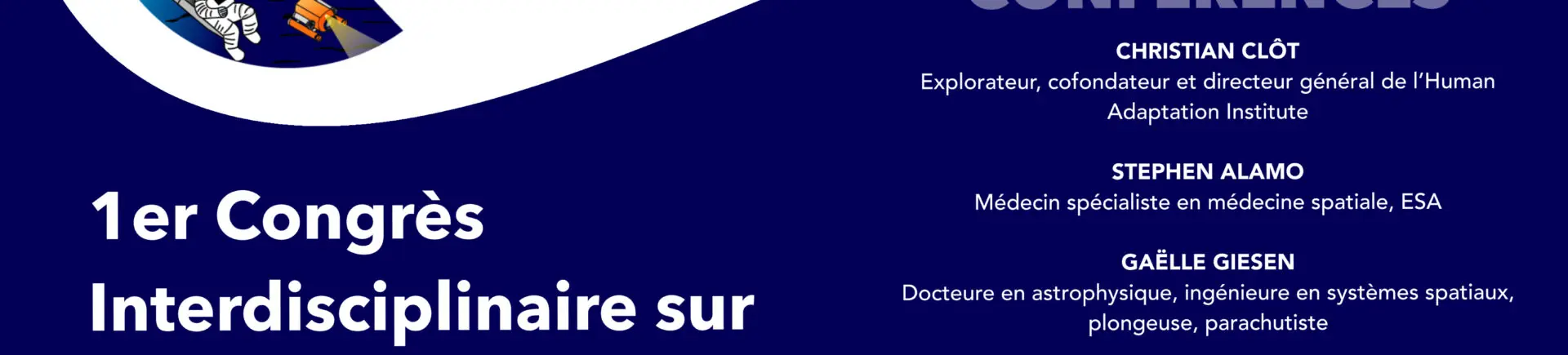
📅 On 𝟏𝟕 𝐨𝐜𝐭𝐨𝐛𝐫𝐞 𝟐𝟎𝟐𝟓 at ISAE-SUPAERO, the CIME congress will bring together researchers, professionals, teachers, and players in the field around the same passion: exploring the most extreme environments on our planet… and beyond.

On the programme for this exceptional day, six inspiring talks given by personalities involved in the field, in polar, underwater, desert or space environments:

🔹Christian Clot: explorer, co-founder and CEO of the Human Adpatation Institute
Stephen Alamo: doctor specializing in space medicine, ESA
🔹Gaëlle Giesen, Ph.D.: doctor of astrophysics, space systems engineer, diver, and skydiver
🔹Alban Michon: polar explorer, guide and diver, founder of Biodusséus and the School of Explorers
🔹Jessica Studer: doctor, researcher for MEDES (CNES) and ESA at Concordia Station (Antarctica)
🔹Geraldine Parodi: scuba diver

These speakers will share their experiences, set out the human, technical and organizational challenges specific to their respective contexts, and present avenues for research and innovation to fuel thinking and inspire new projects.

The CIME conference aims to :

> Lay the foundations for a national network of researchers, engineers, operators, doctors and other professionals working in extreme environments,
> Bring together scientific and operational expertise,
> Encourage collaboration between laboratories, institutions and those working in the field.

Organizing committee: Vsevolod Peysakhovich – Lecturer and researcher in human factors at ISAE-SUPAERO, Safouane HAMDI – Endocrinologist specializing in reproduction, senior lecturer at Toulouse University Hospital, Maëlis Lefebvre – Post-doctoral researcher in human factors at ISAE-SUPAERO.

A conference in partnership with UNIVERSEH European UniversityMEDES – Institute for Space Medicine and PhysiologyCNES (SpaceShip).

2025 edition of “La nuit des chercheurs”
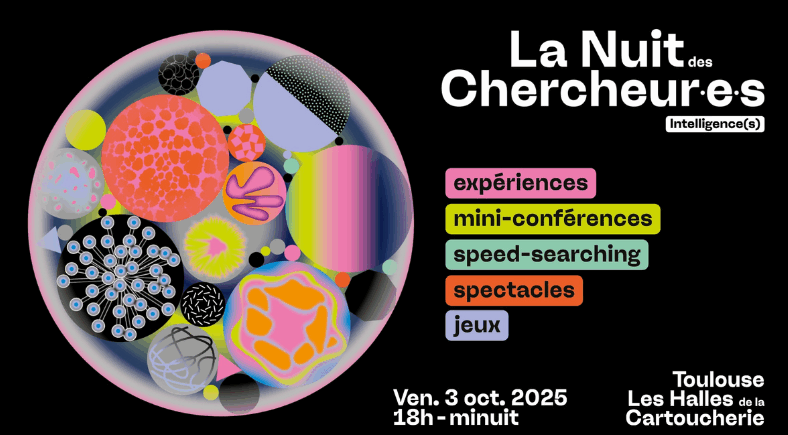
From 6pm to midnight, dive into science!

More than 200 passionate scientists slip away from their labs for an evening to share their discoveries with young and old in the festive, friendly atmosphere of the Halles de la Cartoucherie and its La Cabane theatre.

🔹 Le Grand labo – Experiments, experiments, games
🔹 Speed-searching – A researcher and you: 10 minutes of one-to-one discussion
🔹Dans le noir – Plunge into the dark, your ears won’t believe their eyes!
🔹 Les échappées inattendues du CNRS – Mini conferences
🔹 Bookmakers – Comics, graphic books, stories and tales
🔹Escape game “Research under stress
🔹 Le Bouche-à-oreille – A researcher explains his or her work in 1.30 minutes
🔹 SonIA – Sound and AI show (dance, theatre, video, sound and robotics)
🔹Liquid Light Show on the façades of the Halles de la Cartoucherie

Many researchers and doctoral students from ISAE-SUPAERO will be present ✨

– Nicolas André (teacher-researcher at DEOS),
– Valentin Badefort-Baril (PhD student at DEOS),
– Anaïs Bain (PhD student at DEOS),
– Louison Bocquet-Nouaille (PhD student at DISC),
– Caroline Chanel (teacher-researcher at DCAS),
– Olfa d’Angelo (Post-doctoral student at DEOS),
– Julien Doche (PhD student at DCAS),
– Pierre Giudicelli-Vernet (PhD student at DEOS),
– Yves Gourinat (Lecturer at the DMSM, based in Albi),
– Alexandre Neyret (PhD student at DEOS),
– Jois Shreyank (PhD student at DEOS),
– Christine Tasson (teacher-researcher at DISC),
– Damien Vivet (researcher at DEOS), Maximilian Von Arnim (PhD student at DEOS).

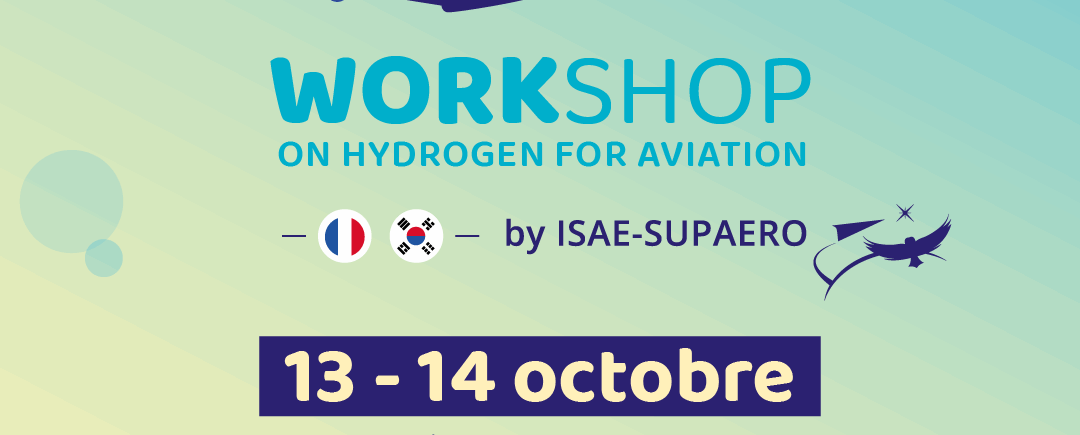
French-Korean workshop: “Cryogenic hydrogen for aviation”.
  • from 13 to 14 October 2025
  • in the ISAE-SUPAERO thesis room

Hydrogen is a breakthrough technology for decarbonizing aviation. Given its high energy content and its ability to propel aircraft without emitting carbon, it represents a key avenue that ISAE-SUPAERO has been exploring for several years.

Given South Korea’s technological lead in this field, the organization of a Franco-Korean workshop on hydrogen for aeronautics represents an opportunity to share best practice and the latest research into the use of hydrogen on board, particularly cryogenic hydrogen”.

Rather than being a forum for discussing the future of air transport, this scientific workshop aims to tackle the technological challenges associated with hydrogen propulsion, by giving the floor to those who are actually doing it, rather than those who are putting forward hypotheses or definitive opinions without any experimental proof.

This is why Korean speakers from the best industrial and research centres, as well as French speakers from the academic and industrial worlds, will come together to share their discoveries.

For ISAE-SUPAERO, committed to training our future engineers in environmentally-friendly techniques, this workshop is a springboard for strengthening our scientific exchanges with Korea and federating the French ecosystem committed to the decarbonization of aviation.

Mattéo Gouzien: itinerary of an award-winning engineer and PhD student committed to decarbonized aviation!
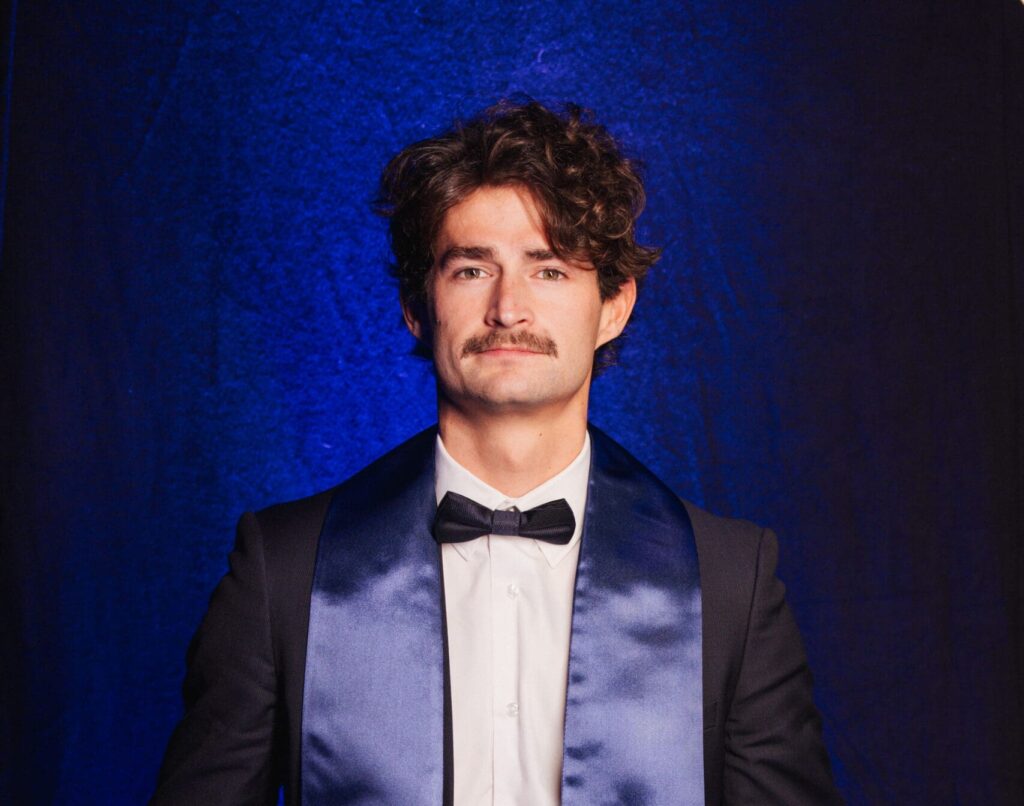
Passionate about science since childhood

Mattéo, who grew up in Lorient, where his passion for science was born: ” Ive had a passion for science ever since I was a little boy,” he confides. Choosing to do a BAC SSI was ” an obvious choice and an opportunity to take my passion a little further “. His academic career then took another turn, when he was admitted to the Ginette preparatory school (Lycée Sainte-Geneviève), following an application he had made ” without really believing in it “, he admits.

These two years of preparatory classes were a real challenge for him: “I was faced with a difficulty that was quite unprecedented for me. But, buoyed by the spirit of the class and the mutual support between students, I was able to enjoy those years”.

The discovery of new disciplines, approached in a very rigorous way, was an essential part of those years “, he adds. He remembers being amazed to unravel the equations explaining how a microwave works, or to discover the Venturi effect.

ISAE-SUPAERO: living your passion

At the end of his two years of preparatory classes and fascinated by the world of aerospace, Mattéo chose ISAE-SUPAERO, attracted by its technical side, its team spirit and its sporting activities (surfing, mountaineering, parachuting): “his preferred choice”, he stresses.

At ISAE-SUPAERO, my passion for science only grew,” he says. ” I didn’t know where to turn, between fluid mechanics, signal processing, structural dynamics and applied maths. It was there that I finally understood what all those obscure prep school theorems were for – it was a revelation for me.

A gap year rich in knowledge and adventure

In the middle of his second year on the general engineering course at ISAE-SUPAERO, Mattéo began his gap year in two parts, “after three years with his head in the handlebars, to find out in practical terms how the theoretical knowledge he had acquired was being applied “.

He began with a 6-month placement at DGA TA in the Fleet Monitoring department. ” The idea of my placement was to use artificial intelligence algorithms to predict the damage suffered by Mirages 2000 during different flight sequences, and to understand how this damage affected the aircraft’s lifespan “.

Mattéo then went on an academic exchange to Toronto, where he was able to explore new scientific subjects such as robotics, structural dynamics in civil engineering and artificial intelligence, as well as discovering the country. ” I was also able to venture out, during the roaring of the caribou, into vast landscapes that were completely untouched by man ,” he explains.

A trip to South America before returning... by sailboat!

For the remaining six months of his gap year, Mattéo chose to go travelling in South America: ” I think that during these years, travelling, discovering and meeting new people are excellent ways of growing internally, taking a step back and, above all, confronting our way of thinking with reality.

It was an opportunity for him to let himself be carried along by the unexpected, between trekking at high altitude, cycling in the Andes and surfing on the Pacific coast, mostly on his own, “at first with only a rudimentary knowledge of Spanish “.

When it came time to return to France, and considering that his carbon footprint had already been greatly exceeded for his first Atlantic crossing, Mattéo chose to return by sailboat to Lorient.

I’ve managed to find a sailboat so that I can return to port with three other sailors, heading for Lorient. Here I am, on a voyage lasting more than a month, buffeted by the waves, cut off from the world, in the middle of the ocean“.

It was a hugely formative experience for him, leading him to ” question the notions of progress and the race for profit, and to criticise our Western lifestyle where everything moves at 100 km/h!

A natural choice in3rd year: “simulations of complex systems” and “signals and systems”.

Back at ISAE-SUPAERO for his 3rdᵉ year, it was natural for Mattéo to choose the “signals and systems” field of expertise and the “simulations of complex systems” field of application.

It was a natural choice for me. Digital simulation and automatic control are at the crossroads of most of the engineering fields I’m passionate about, ” confides Mattéo.

An award-winning end-of-studies internship

His end-of-studies internship, carried out between ONERA and ISAE-SUPAERO, was a great success.

Mattéo won the regional and then the national André Blanc-Lapierre prize from the SEE for his work on data-based structured identification of the 2D Maxwell equations as a port-Hamiltonian system. His internship also enabled him to take part in the PEGASUS student conference, where he came second. This work also led to participation in an international conference and the publication of a journal article in the COMPEL journal (‘Port-Hamiltonian reduced order modelling of the 2D Maxwell equations’).

Under the supervision of Charles Poussot-Vassal (ONERA) and Denis Matignon (ISAE-SUPAERO), this internship enabled him to discover two fascinating theories: Hamiltonian port systems and the Loewner framework, applied to the 2D Maxwell equations.

In aerospace engineering, solving Maxwell’s equations is essential for the design and analysis of numerous systems such as antennas, radars and the design of stealth technologies. However, these equations often result in very large models. The calculation time required to solve these systems can be very long (sometimes up to several months of simulation). These models are therefore unusable for iterative design processes.

Model reduction offers a solution for simplifying their complexity while retaining their critical characteristics. To illustrate the capabilities of the method used, the figure shows a snapshot of the results of the time simulations (of the magnetic field H and the electric field E) of the full-order model (FOM) compared with the reduced model, which is 13 times smaller and 100 times faster,” explains Mattéo.

Mattéo was then selected by ISAE-SUPAERO to take part in the PEGASUS student conference, held this year in Prague. This annual event brings together students from Europe’s leading aerospace schools. It was an opportunity for him to meet many students from all over Europe, giving rise to extremely enriching exchanges, both on a scientific and social level.

The conference also included a student competition, based on the evaluation of submitted scientific papers and oral presentations.

Mattéo came second, again in recognition of the work he had carried out during his final year internship.

The award was doubly well deserved, as Mattéo decided to make the return journey from Prague by bike, just as he did when he crossed the Atlantic in a sailing boat!

Always with a view to reducing my carbon footprint, and given the price of the outward train ticket, I decided to make the return journey by bike. I’d also like to thank the Alumni Association for the grant they awarded me to finance the outward journey.

A thesis to reduce emissions from the aviation sector

A recent graduate of ISAE-SUPAERO, Mattéo has started a thesis between IMS in Bordeaux and ONERA in Toulouse on fault-tolerant active control of the flutter phenomenon.

The aim is to design commercial aircraft with high aspect ratios in order to reduce fuel consumption and hence carbon emissions in the aviation sector “, he explains.

Mattéo sees this thesis as a new personal challenge, a way of “questioning the differences in expectations and opinions that sometimes arise between the worlds of research and industry”.

Our Ecosystem

Lasbordes Air Operations Center (COAL)
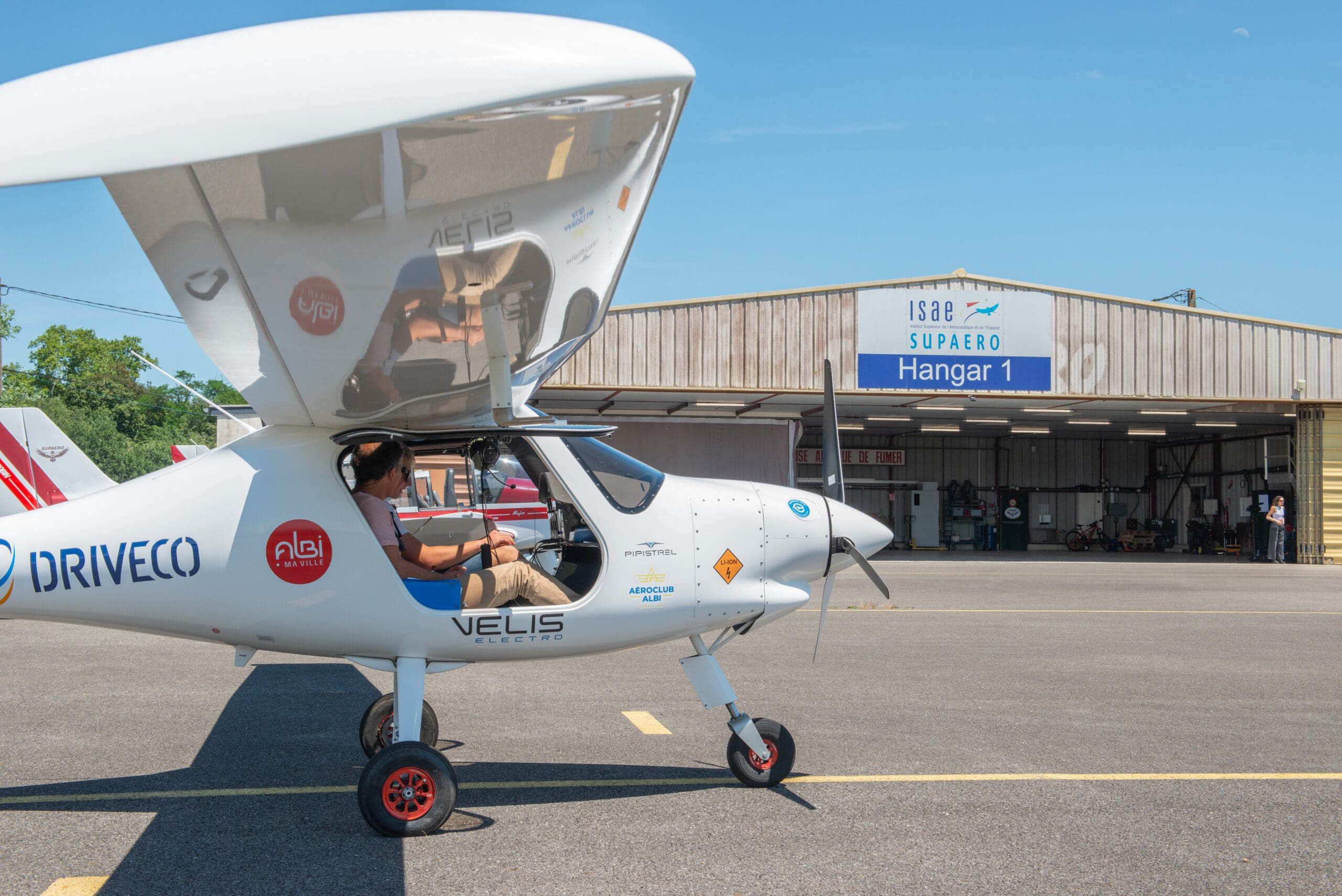
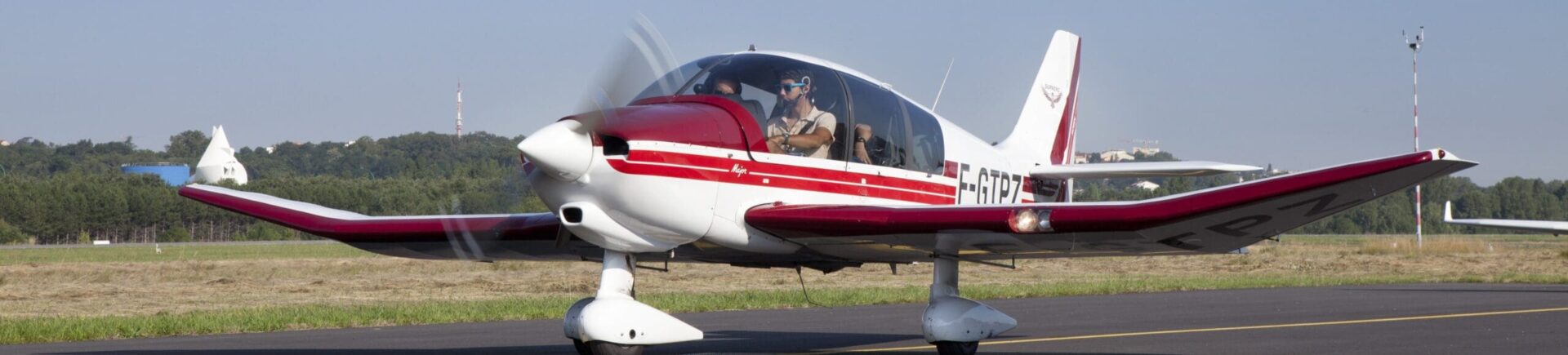
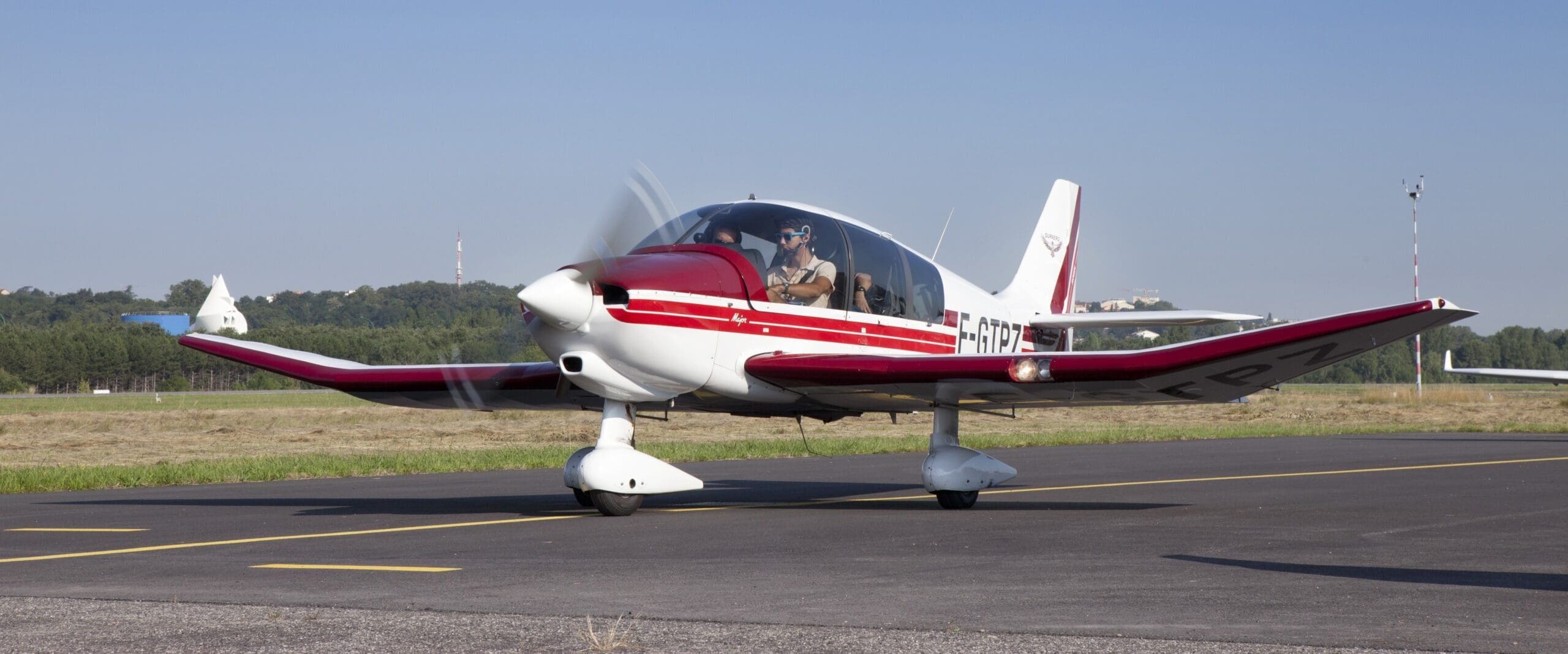
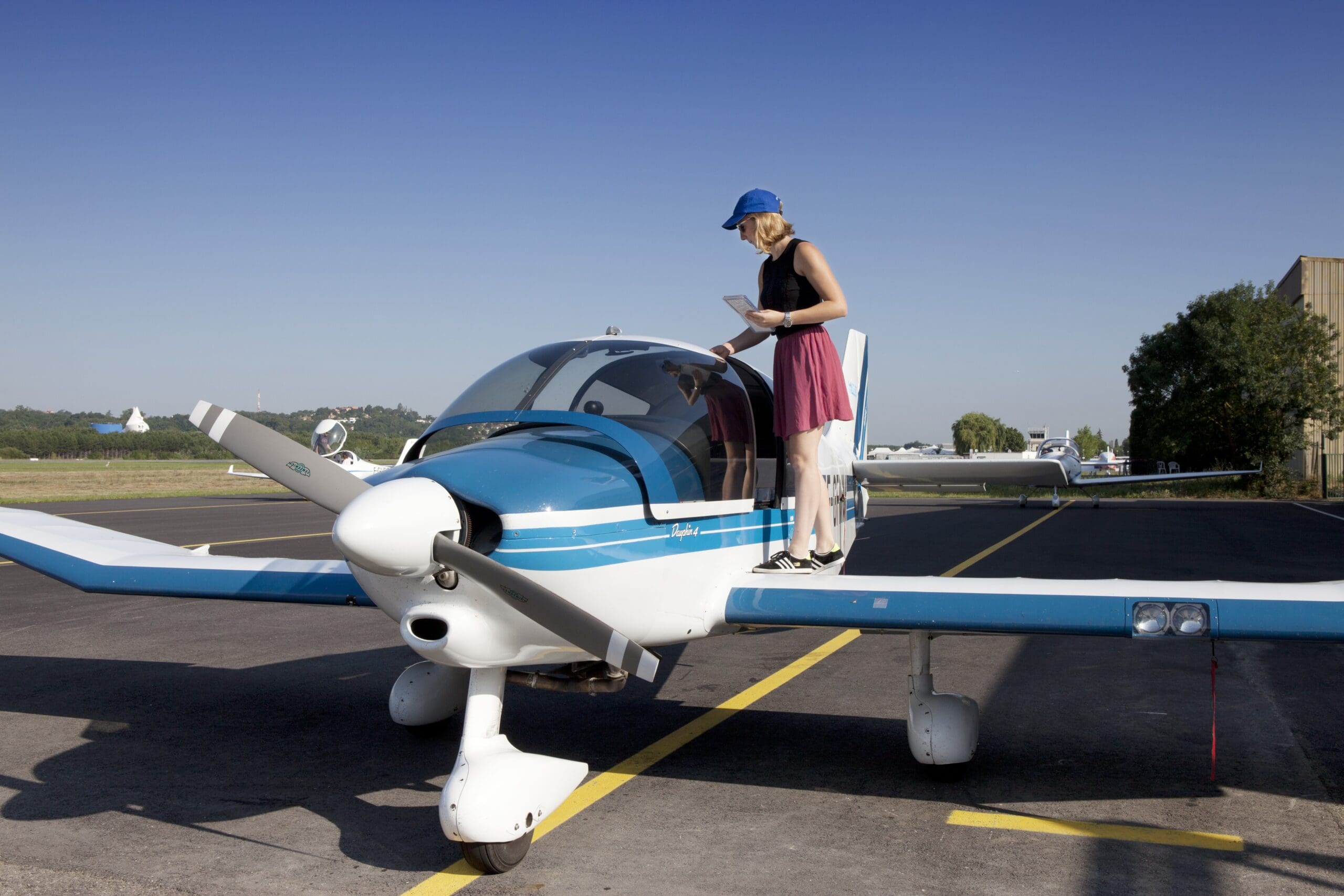
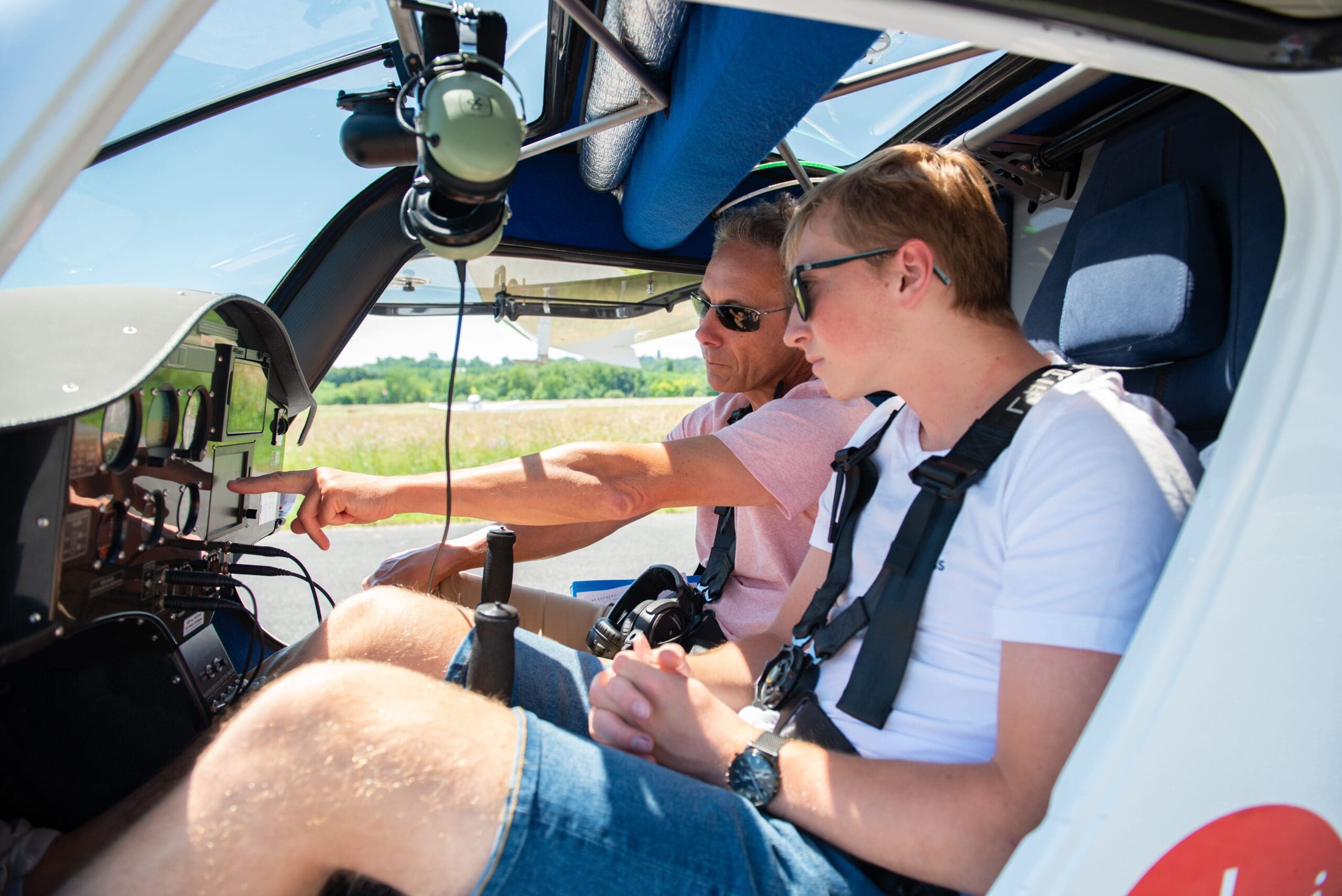
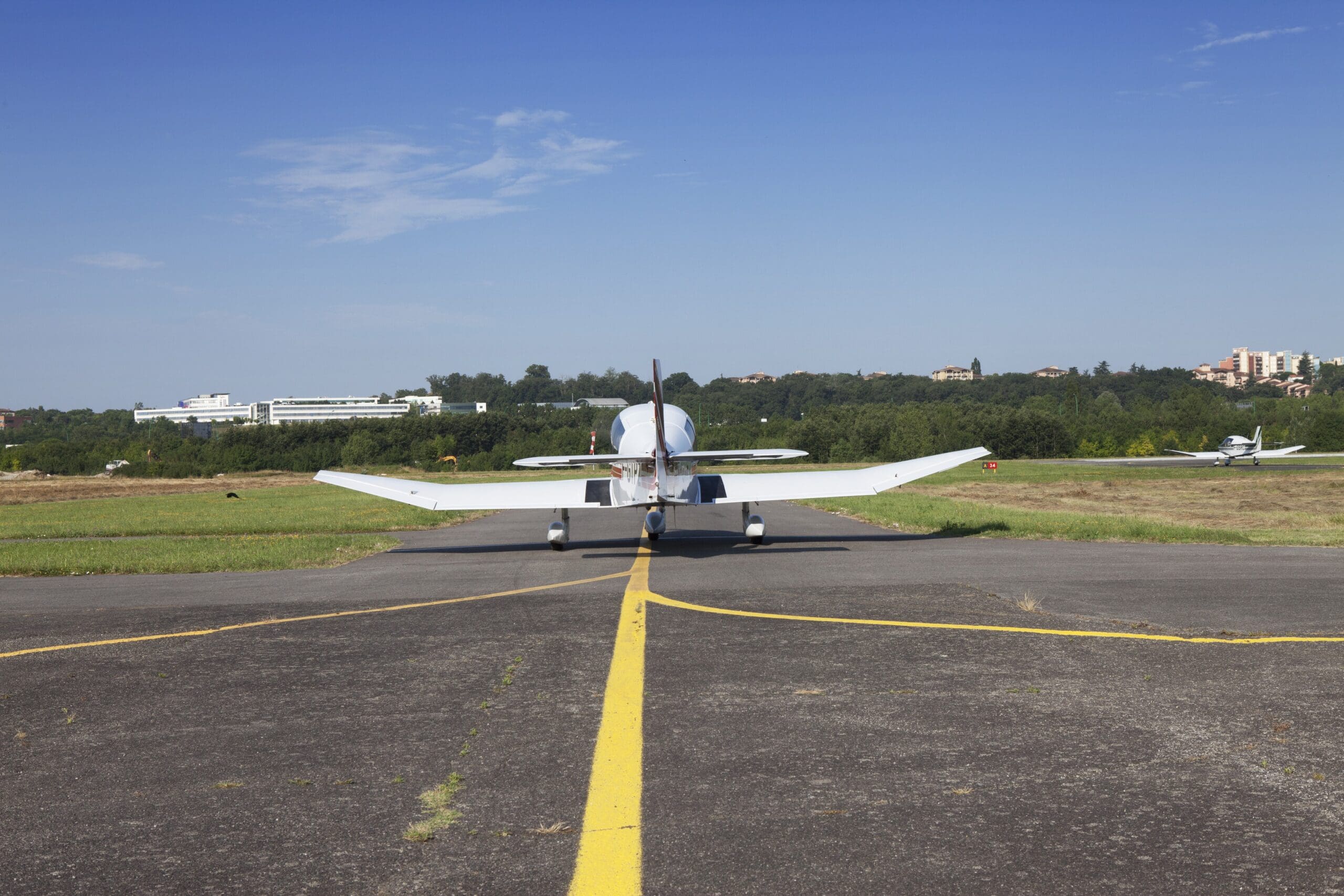
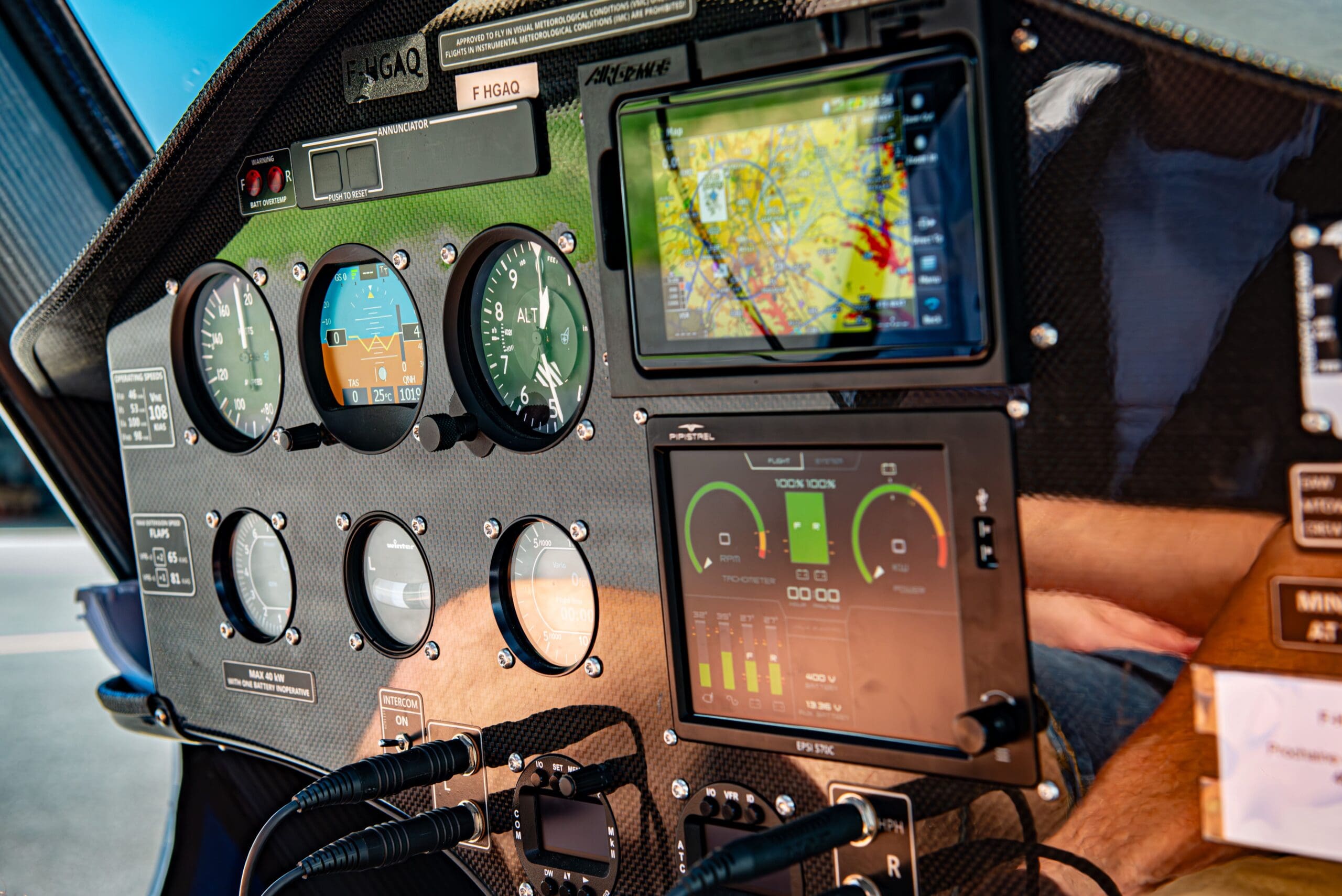
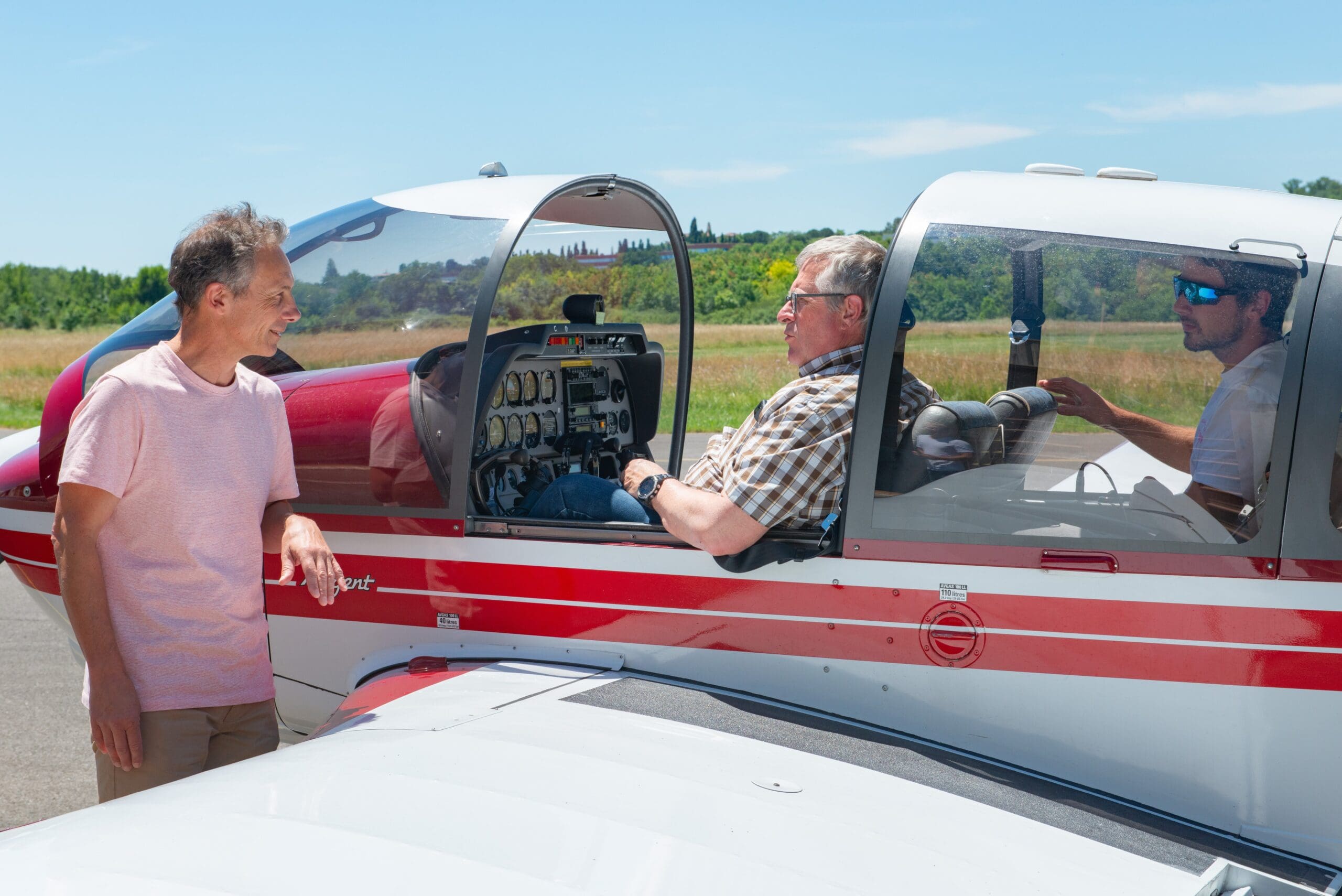
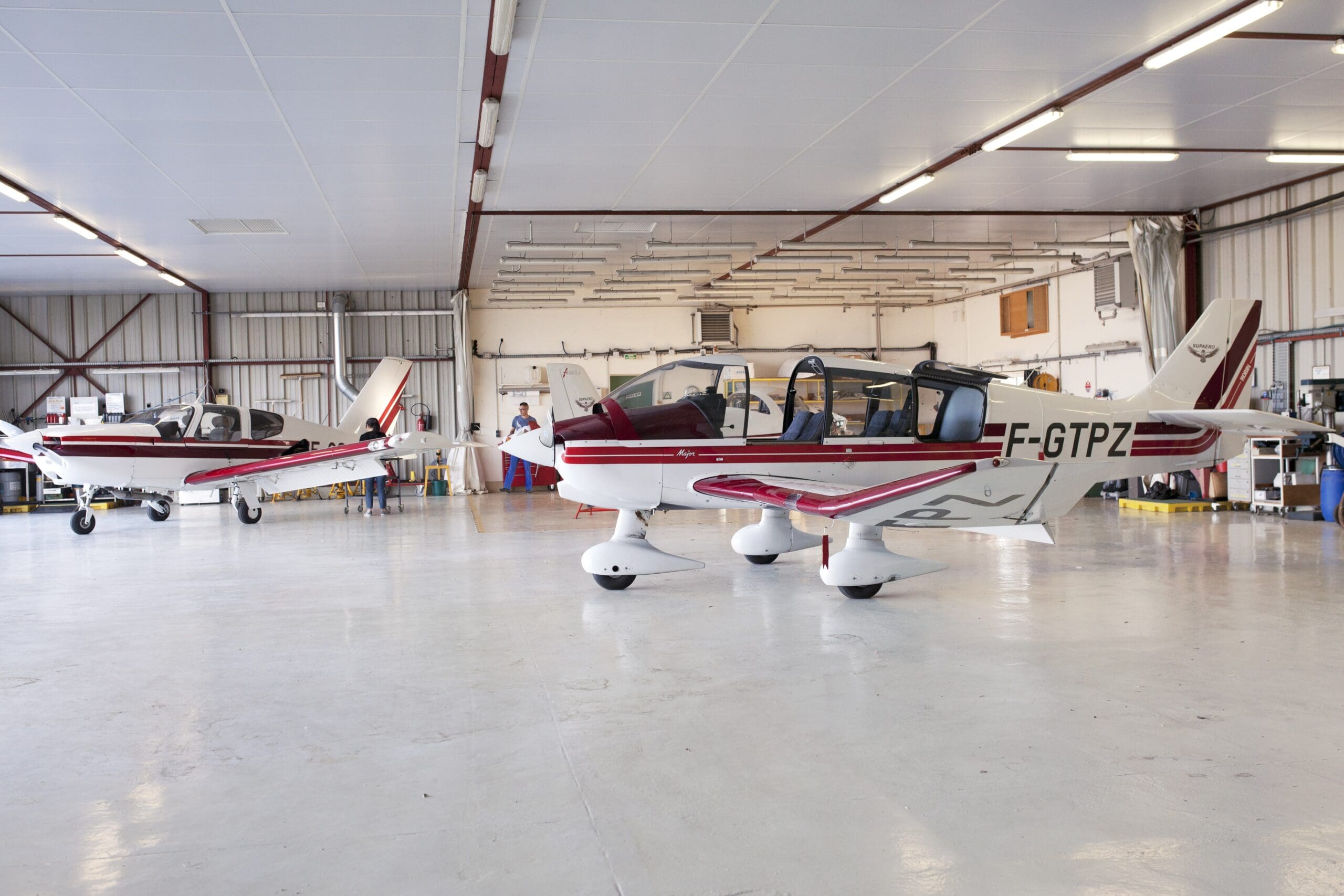
The ISAE-SUPAERO flight operations center at Lasbordes airfield has a fleet of 8 light aircraft for teaching and research in the fields of flight mechanics and neuroergonomics.

The fleet is comprised of:

  • 4 Aquila two-seater single-engine aircraft dedicated to initial flight instruction
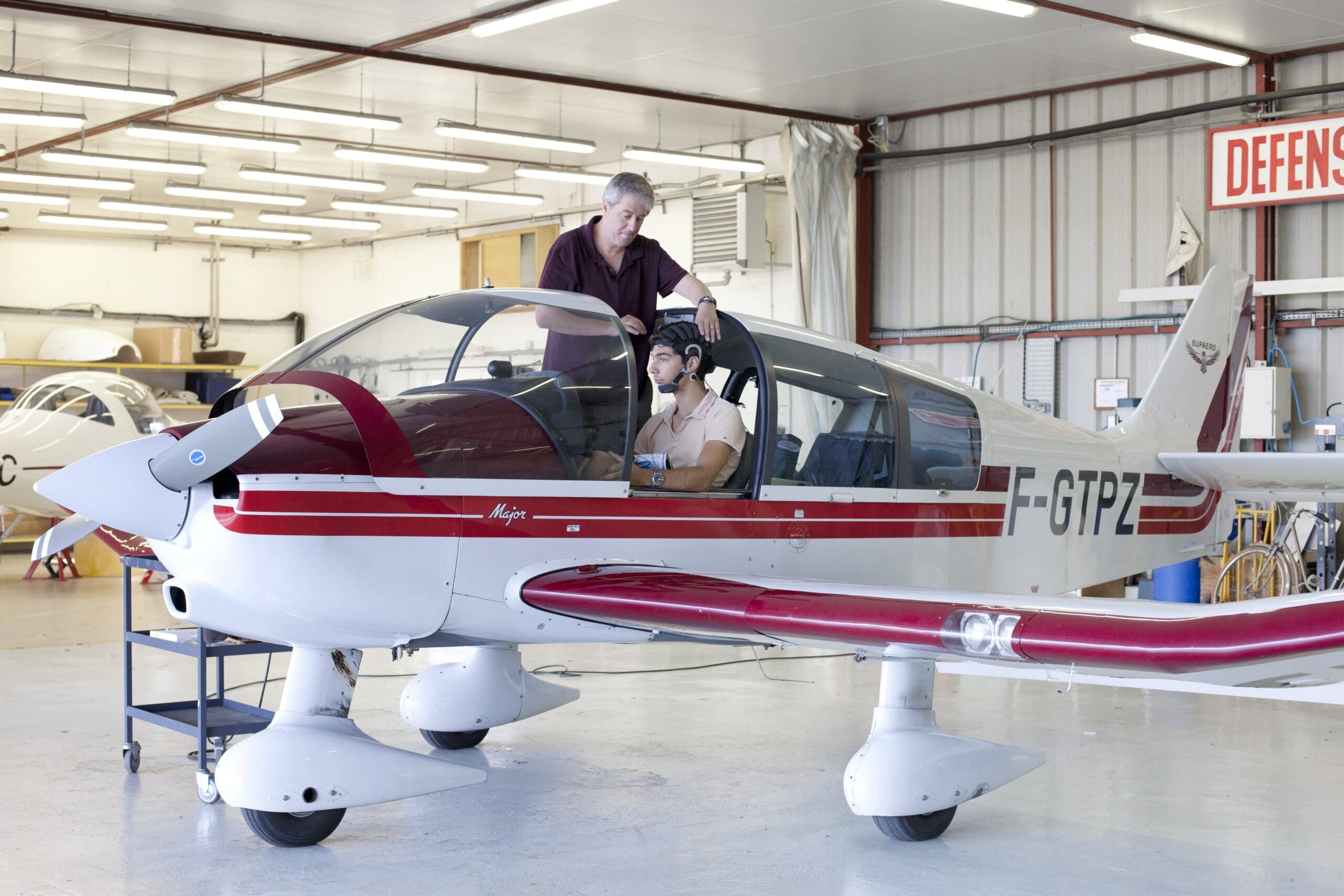
  • 3 single-engine, four-seater DR400s dedicated to initial flight instruction, training ISAE-SUPAERO students, and research activities
  • 1 twin-engine Vulcanair P68 Observer 2, currently being instrumented for student training and research activities

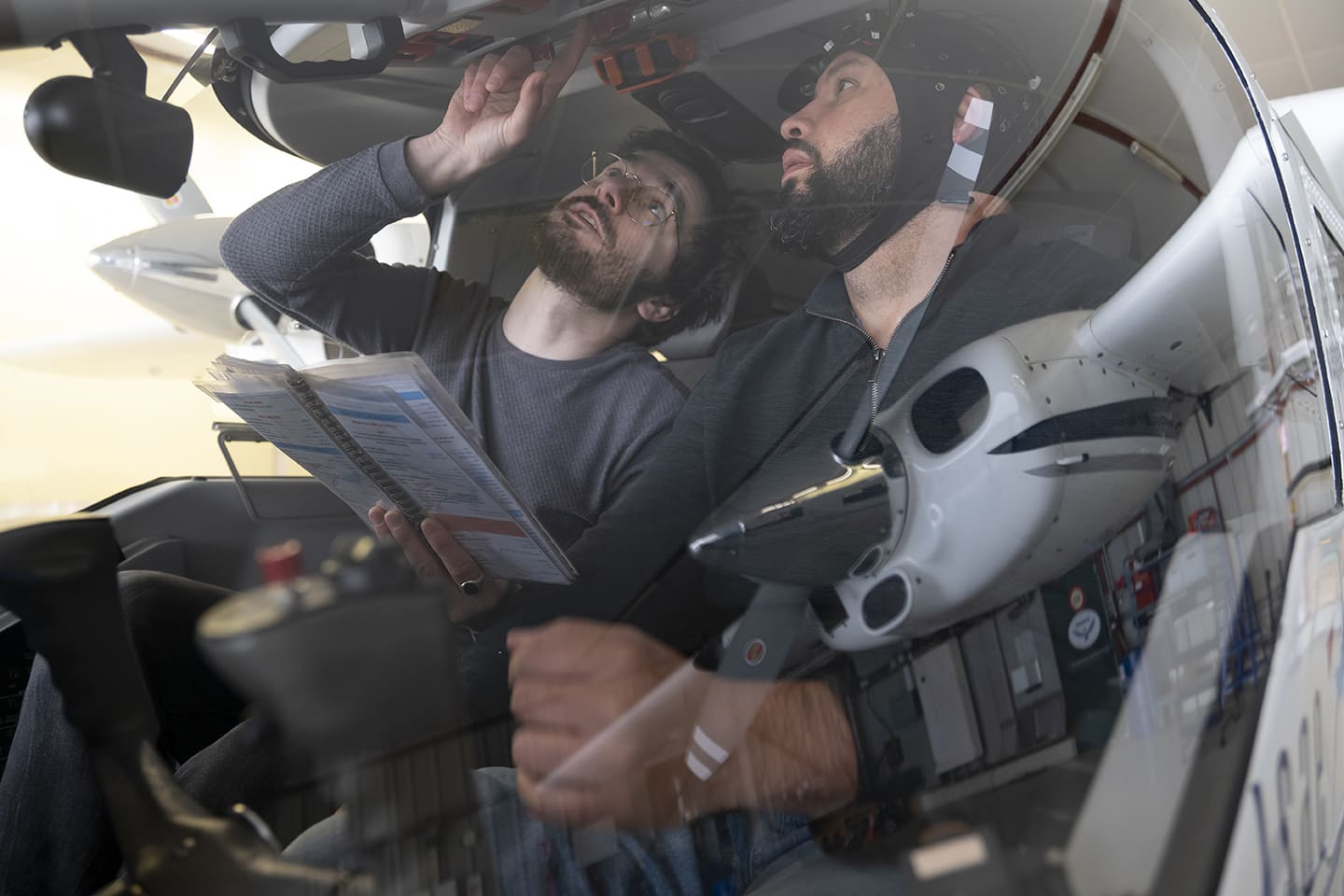
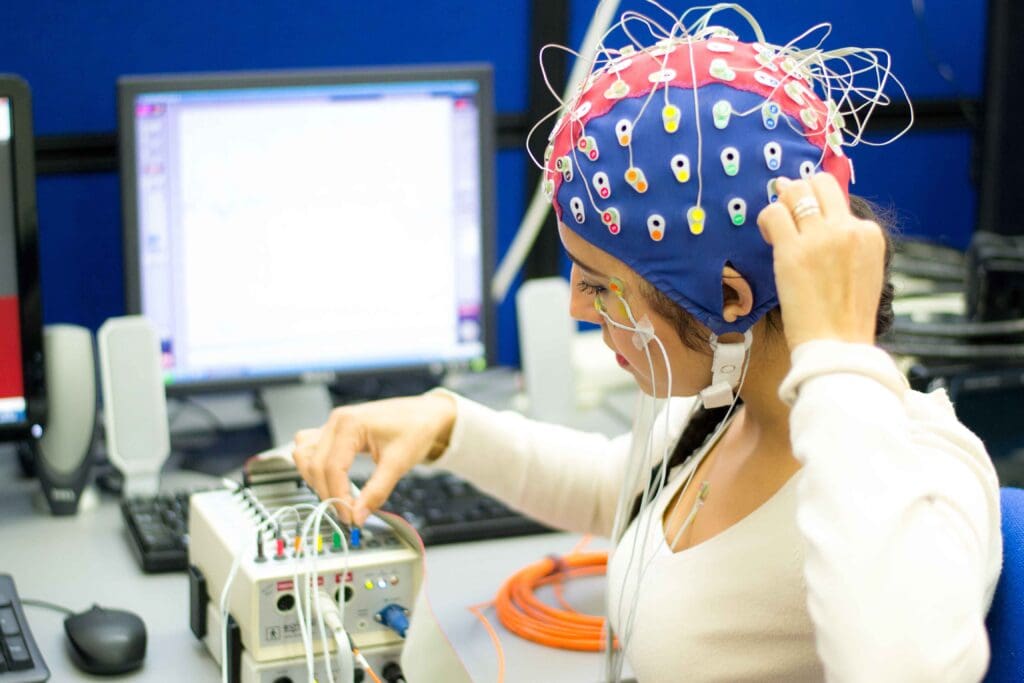
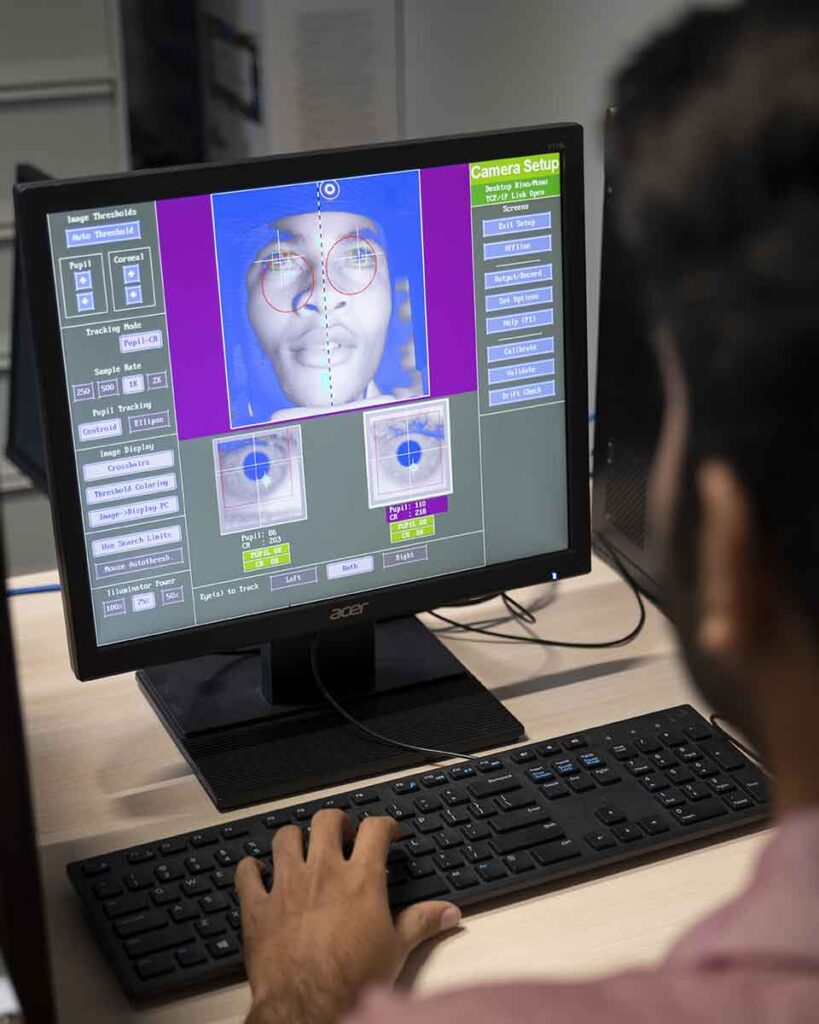
This aircraft is equipped with a telemetry system, enabling a flight to be followed in real time from the institute’s classrooms. It also features sensors capable of recording the pilot’s eye activity (eye trackers), brain activity, and more. Versatile, with a large payload capacity, it can also be fitted with optical sensors via a hatch under the fuselage.

The COAL maintenance unit is responsible for the day-to-day operation of the aircraft, fleet maintenance, and regulatory monitoring of airworthiness.

It also prepares and examines aircraft modification files required for research and training flights.

COAL's Activities

  • Pilot training on light aircraft, open to engineering cycle and master’s students.
  • Practical work in flight mechanics and initiation to flight test techniques for students and continuing education.
  • Research flights in the field of human factors and any other area requiring in-flight sensors.

Directory

Discover the profiles of the 130 faculty members at the Institute who are pioneering research in aeronautics and space.

This resource allows you to explore the fields and research projects of our scientists.

Access the Directory

Job Offers

Check out the vacancies for scientific staff in the research department

Thesis Offers

Check out the research department's thesis and post-doctorate vacancies

Internship Opportunities

Check out the Research Department's internship opportunities!

Design and Operation of Aerospace Vehicles Department (DCAS)

Our Research Department

The Department of Aerospace Vehicle Design and Control (DCAS) develops training and research activities to meet the scientific challenges of tomorrow’s air transportation and future space systems. It conducts cutting-edge research and develops advanced technologies, ranging from human-machine interactions to the integrated multidisciplinary design of aircraft or advanced space concepts, via system control and control laws.

Our research incorporates environmental and socio-economic aspects, such as reducing environmental impacts (fuel consumption, noise, emissions), optimising design cycle times and operational costs, increasing the safety of aerospace systems, and improving the efficiency of man-machine systems.

Permanent staff
40

Permanent staff

 Doctoral students, post-doctoral students and engineers
60

Doctoral students, post-doctoral students and engineers

Aircraft
8

Aircraft

Sponsorship chairs
5

Sponsorship chairs

Valérie Budinger

At DCAS, we design the aerospace systems of the future, integrating performance, sustainability and safety. Our research combines advanced technologies, systems intelligence and environmental responsibility to reinvent air and space transport.

Valérie Budinger Head of Department
Our Research Activities

DCAS is structured into 4 scientific groups:

  • Decision and Control (DC): Dynamic and operational behaviour models, synthesis of control laws and sequential decision algorithms.
  • Aeronautical Vehicle Design and Flight Dynamics (CADV ): Aircraft design, flight dynamics, aircraft operation and certification, sustainable air transportation
  • Space Systems Design (CSS): Orbital systems, mission analysis, space systems design and optimisation, space exploration and access to space
  • Humans, Systems and Interactions (HSI ): Monitoring and optimisation of human performance in contexts of interaction with natural or technological environments

They work collaboratively on the following 3 interdisciplinary themes:

The aims of this theme are to carry out research into the identification and control of degraded flight situations:

  • Aircraft/drone: Critical flight situations (e.g. departure from flight envelope, inconsistency of complex parameters/pannes, sub-system failures)
  • Crew/operator: Borderline cognitive states (e.g. attentional tunnelling, perseveration, fatigue)
  • Guaranteeing control performance that is independent of uncertainties and parametric variations
  • Defining 'intelligent' control and supervision processes to optimise flight safety
  • Developing an adaptive control and driving system that is robust to failures

With the help of the many resources made available by the department - DCAS simulators, flying platforms (TB20, etc.), Neuroergo-lab, indoor aviary - this theme enables DCAS to innovate in the field of human factors (with the development of adaptive cockpits) and automation/decision: Fail-safe laws, self-reconfigurable control system for sub-system failures.

Through various fields such as flight mechanics, aircraft design (multiphysics and multi-domain modelling), and automatic control, this theme aims to define methods and algorithms for optimal integrated design, aerodynamic models, structure, propulsion, and environmental models; and study the strong and weak couplings between models.

The resources that are being developed, such as the Multidisciplinary Design Analysis and Optimisation (MDAO) design workshop and the flight demonstrator, are enabling innovation, with applications for the design of the BWB flying wing, distributed propulsion,  the design of long-length aircraft,  the design of sub-systems (electric de-icing systems, demonstrators), and implementation of a complete Multi-domain Modelling, Simulation, and Analysis workshop under the OpenMDAO framework.

The management of space debris and autonomous missions to asteroids are all issues targeted by this theme, which aims to study future concepts that are typically possible within a timeframe of 15 years or more, such as in-orbit servicing for telecommunications satellites, space traffic management, the architecture of manned bases on the surface of the Moon or Mars, etc.

Through systems engineering and automation, with the help of space systems design software suites integrating the tools already available at DCAS, this theme addresses the following points: Adaptation and/or development of design methods, with particular emphasis on the concept of interface, architecture of large structures for manned exploration missions, formalization of trajectories and attitude control from the launch phases to the rendezvous phases in LEO, GEO and LP orbits.

DCAS is involved in national and European research projects and works with a large number of industrial partners (major groups, SMEs, startups).

Decision and Control Scientific Group - DC

Research Themes

  • Theme 1: Methods and tools for modelling and controlling aeronautical and space systems and vehicles

    • Synthesis of robust control laws for driving vehicles in severe conditions
    • Control of aeronautical systems and vehicles meeting flight quality, certification, and energy consumption criteria
    • Estimation and control of the flexible modes of high elongation structures
  • Theme 2: Decision-making under uncertainty, mission planning

    • Secure and robust on-line planning for the autonomy of aerospace systems
    • Improving the adaptability and safety of multi-agent systems
    • Human-centred design of heterogeneous collaborative aerospace systems

Aeronautical Vehicle Design and Flight Dynamics Scientific Group - CADV

Research Themes

  • Theme 1: Preliminary aircraft design
    • Exploration of innovative aerostructure architectures
    • Exploring new propulsion architectures
    • Operability and maintainability of new architectures
    • Safety and certifiability of new architectures
    • Design of electromechanical de-icing systems
  • Theme 2: Modelling and assessment of technologies and scenarios for air transport in the context of decarbonisation and transition
    • Modelling the air transport system (fleet renewal, use of alternative fuels, economic models)
    • Development of climate models
    • Assessment of the environmental impact of decarbonisation solutions for air transport over their entire life cycle

Space Systems Design Scientific Group - CSS

  • Access to space: physical modelling and design of new-generation liquid rocket engines
  • Astrodynamics and mission analysis: modelling and optimisation of trajectories in non-Keplerian environments
  • Robotic and manned space exploration combining systems engineering, space system design, on-board autonomy and human factors
  • Sustainability of space activities

Human, Systems and Interactions Scientific Group - HSI

  • Understanding brain function and human performance
  • Cognitive performance in stressful situations or during ageing

  • Massive data analysis applied to brain function

  • Development of brain-machine interfaces

  • Design of innovative integrated sensors for monitoring the state of the operator in extreme environments

Sustainable Aviation

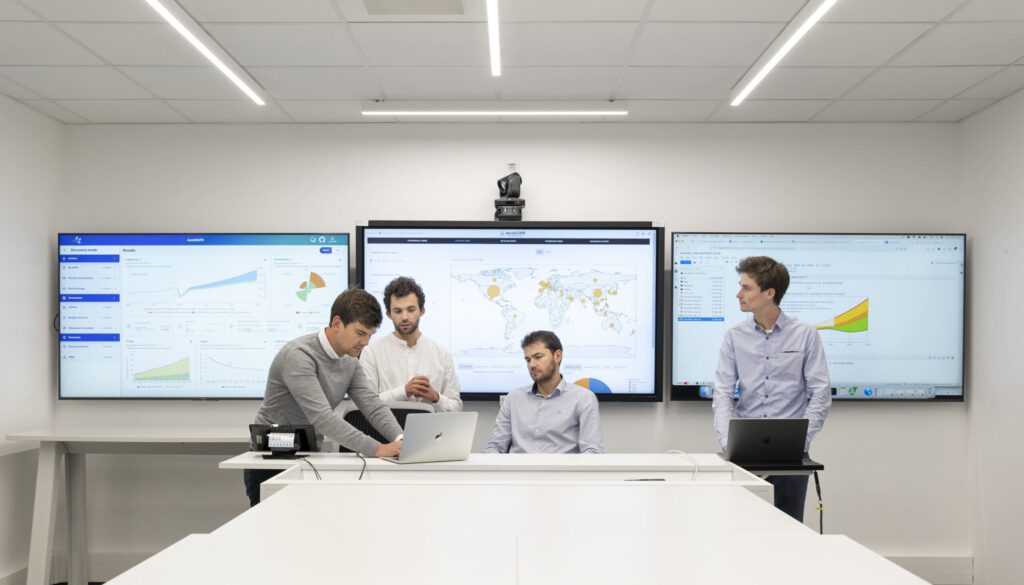
DCAS has developed AeroMAPS, an open source tool for modelling transition trajectories for the aviation sector, the result of three years of research within the department. Initially designed under the name CAST, this reference tool can be used to assess the climate impact of aviation, by integrating variables such as traffic volume, energy consumption and the type of fuel used.

Innovative and multidisciplinary, AeroMAPS takes into account all the climatic effects of aviation, beyond CO₂ alone, including contrails and nitrogen oxide emissions. Aimed at research, training and experts and decision-makers in the sector, it helps to inform strategic choices in connection with international commitments to combat climate change. With this work, ISAE-SUPAERO is asserting its active role in the public debate on the future of aviation.

Our Research Projects

  • STOL and VTOL control
  • Guidance and navigation strategy planning for UAVs in urban environments
  • Hybrid hydrogen-powered regional aircraft
  • Aviation carbon trajectories
  • Design and optimisation of high aspect ratio wings
  • Low-consumption electromechanical de-icing systems
  • Mitigation of space debris
  • Reusable launchers
  • Real-time monitoring of human performance
DCAS Scientific Publications
Goals and trends in space exploration: An overview of the panel on exploration sessions at the committee on space research general assembly 2024

Andre Galli, Smith Heather, Blanc Michel, et al., Lizy-Destrez Stéphanie, Goals and trends in space exploration: An overview of the...

An online user-centric brain-computer interface based on code-modulated visually evoked potentials and partially observable Markov decision process

Torre Tresols Juan Jesus, Ponzoni Carvalho Chanel Caroline, Dehais Frédéric, An online user-centric brain-computer interface based on code-modulated visually evoked...

An offline risk-aware policy selection method for Bayesian Markov decision processes

Angelotti Giorgio, Drougard Nicolas, Ponzoni Carvalho Chanel Caroline, An offline risk-aware policy selection method for Bayesian Markov decision processes. 2026,...

Learning heuristics with Vision Transformers for risk-aware drone last-mile delivery

Aldao Pensado, Enrique, Veiga-López, Fernando, Ponzoni Carvalho Chanel Caroline, Watanabe Yoko, González-Jorge, Higinio, Learning heuristics with Vision Transformers for risk-aware...

Engagement Fluctuations during Human-Robot Collaboration: Preliminary Assessment using Subjective, Behavioral, and Physiological Metrics : CHI EA '26:

Saleem, Nadim, Rihet, Mathias, Sarthou, Guillaume, Clodic, Aurélie, Roy Raphaëlle N., Engagement Fluctuations during Human-Robot Collaboration: Preliminary Assessment using Subjective,...

Our Resources

The vast majority of these resources are managed by the technical group, which develops and implements a range of hardware platforms and software tools:

  • Flight simulators (human factors research, flight mechanics training, piloting)
  • An aeronautical software suite (flight mechanics, aircraft design, flight tests)
  • A space software suite (orbitography, satellite energy subsystem, launchers, ground stations)
  • UAVs and UAV systems
  • Satellite ground segments (rooms and ground stations for satellite projects)

Certain platforms are used/developed in conjunction with other technical teams:

  • The flight test software platform and the flight management software are developed with the Lasbordes flight operations centre
  • The autonomous systems room is used and developed with the technical group of the Complex Systems Engineering Department (DISC) at ISAE-SUPAERO

Aeronautical Sector

The DCAS technical group is developing a software suite for teaching and research in the field of aeronautics.

These include tools for simulating aircraft movement (Longisim and Transsim), calculating performance or aiding design (Alcazar), and in-flight training with the TB20 instrumented aircraft (TB20 system). A final piece of software (Activol) provides flight management for the aircraft at the Lasbordes Air Operations Centre.

Flight mechanics: LONGISIM/TRANSIM software

These two software packages are dedicated to the study of the longitudinal and lateral movements of the aircraft. They allow simulations to be carried out according to the type of aircraft and flight characteristics (responses to steps, curves, 3D, etc.).

Aircraft design: “ALCAZAR” software

Alcazar is a software package for the complete study and design of an airliner. Weight estimates, fuselage sizing (number of seats per class, etc.), wing geometry, empennage, thrust settings, etc.

Numerous visualisations allow you to see the results of the design throughout the process.

Flight tests / Flight dynamics: The TB20 System

The “TB20 System” is a software package which, from an instrumented TB20 aircraft (25 parameters in telemetry), enables flight parameters to be displayed in real time or off-line: Flight dynamics teaching (in flight or on the ground), flight tests.

Flight management: ACTIVOL software

ACTIVOL is the software used for the day-to-day management of flights at Lasbordes. Statistics are extracted for the annual activity reports.

In the field of aeronautics, a wide range of equipment is available at the DCAS: Flight simulators (PEGASE, 6MOUV), a drone design workshop, and drone flying platforms.

PEGASE flight simulator

PEGASE: Platform for Experiments on Generic Aircraft Simulation Environment

This simulation platform, halfway between high-end simulation (6-axis training simulators) and individual computer simulation, is ideal for teaching flight mechanics and research into human factors.

This generic simulator can simulate any type of aircraft. The basic model for the activities is the Airbus A300.

Developments are fully managed by the DCAS technical group, which means that the platform can be adapted to any need arising from the scientific teams (research, experimentation, demonstrations, teaching, etc.).

Features

- Controls: Top-of-the-range equipment with pilot/copilot mini-sticks, rudder pedals, A320 throttles + trim wheels, FCU, MCDU.
- EFIS/ECAM A320 cockpit displays: Primary Flight Display, Navigation Display, Engine Warning Display, Flight Control. They are multiplatform and reusable for other projects.
- 3D visualisation: A panoramic 3D visualisation provides a view of the outside world. It comes from the FlightGear open-source simulator, but has been adapted to meet requirements (particularly for the HUD: Head Up Display).
- Movement: A 3-axis hydraulic system reproduces movement (pitch, roll, height).
- Audio server: Alarms, engines, animations (slats and flaps up/down, landing gear, rain, etc.).

6MOUV flight simulator

6MOUV is a single-seat, 3-axis platform, light aircraft (DR400) simulator based on Flight Simulator software.

Drones

Workshop

A workshop dedicated to the final phase of drone design is run at the DCAS.

UAVs

A number of stationary UAVs developed at DCAS have been produced in the workshop (VisionAir, ScolAir, ScanAir). A fixed-wing flying platform is currently being developed (ExpAir, for the ExpeDrone project).

Space Sector

The DCAS technical group is developing a software suite for teaching and research in the space sector.

These include tools for the simulation and design of space systems: SatOrb, SimuSat and SimuLaunch.

SATORB software

SatOrb is a complex multi-satellite, multi-station orbitography and mission analysis software package. It allows 2D and 3D display of satellites and constellations, as well as multiple analyses of access, visibility, coverage, and radio link assessments.

SIMUSAT software

SimuSAT is a software package for simulating a satellite's energy sub-system. The available modules also enable attitude control and simplified simulation of thermal behaviour. This constantly evolving software, combined with Satorb, is a powerful tool for simulating a complete space system.

SIMULAUNCH

Simulaunch is a simulator dedicated to the design of launchers and the study of their trajectory during launch.

DCAS also has space hardware resources: A ground station in Toulouse (UHF/VHF), a ground station in Cayenne (S-band), and a control centre for its nanosatellite projects, which is designed to be simple and generic.

UHF/VHF -T ground station

The ISAE-SUPAERO teams have a ground station for exchanging digital data with the satellite they want, in UHF/VHF, whether in uplink (remote controls) or downlink (telemetry). The station can operate autonomously and collect data from the satellite automatically. A room is dedicated to this ground station in Toulouse.

Ground station (S-band)

ISAE-SUPAERO has had an S-band station since 2000. For technical reasons, it was installed in Cayenne. In cooperation with MIT and RIKEN, it provided a network of ground stations located on the equator to respond to on-board-ground link problems, due in particular to the platform's equatorial orbit.

SCC: Simple Control Center

The control centre manages all the data exchanged between the satellite and the ground segment using lightweight, high-performance software tailored to the university context and state-of-the-art in terms of both data processing and man-machine interface. It is a robust, stable, reusable tool that complies as far as possible with existing European (ECSS) and international (CCSDS) standards.

Directory

Discover the profiles of our 130 faculty members who are pioneering research in aeronautics and space.

This resource allows you to explore the fields and research projects of our scientists.

Access the Directory
Valérie Budinger
Valérie Budinger

Head of the DAEP Department

Job offers

Check out the vacancies for scientific staff in the DCAS research department!

Thesis offers

Check out the DCAS research department's thesis and post-doctorate vacancies!

Internship opportunities

Check out the DCAS research department's internship opportunities!