
Installed propeller acoustics via Body Force Modeling
Additive manufacturing of functionnally graded materials
Post-doctoral offer
Full-time
3300€ / month
PhD
Post-doctoral research assistant
In the face of accidental events (collision, crash, impact of debris, etc.) or related to the context of the mission (military or terrorist aggression, etc.), the sensitive and functional zones of land, aeronautical and space vehicles, as well as ships and submarines, require protection systems that combine ballistic performance and lightness.
For a long time, the numerical optimisation of such protection systems came up against the problem of their manufacture. This limitation has been partly overcome thanks to the ongoing development of additive manufacturing techniques, which can now be used to produce functional materials with complex architecture. Often evaluated statically or under low-speed impact, there are still gaps in the performance of these materials under high-speed impact.
The aim of this project is to use metal additive manufacturing to develop materials with gradient properties and to assess their performance in ballistic energy absorption applications.
Lasbordes Air Operations Center (COAL)
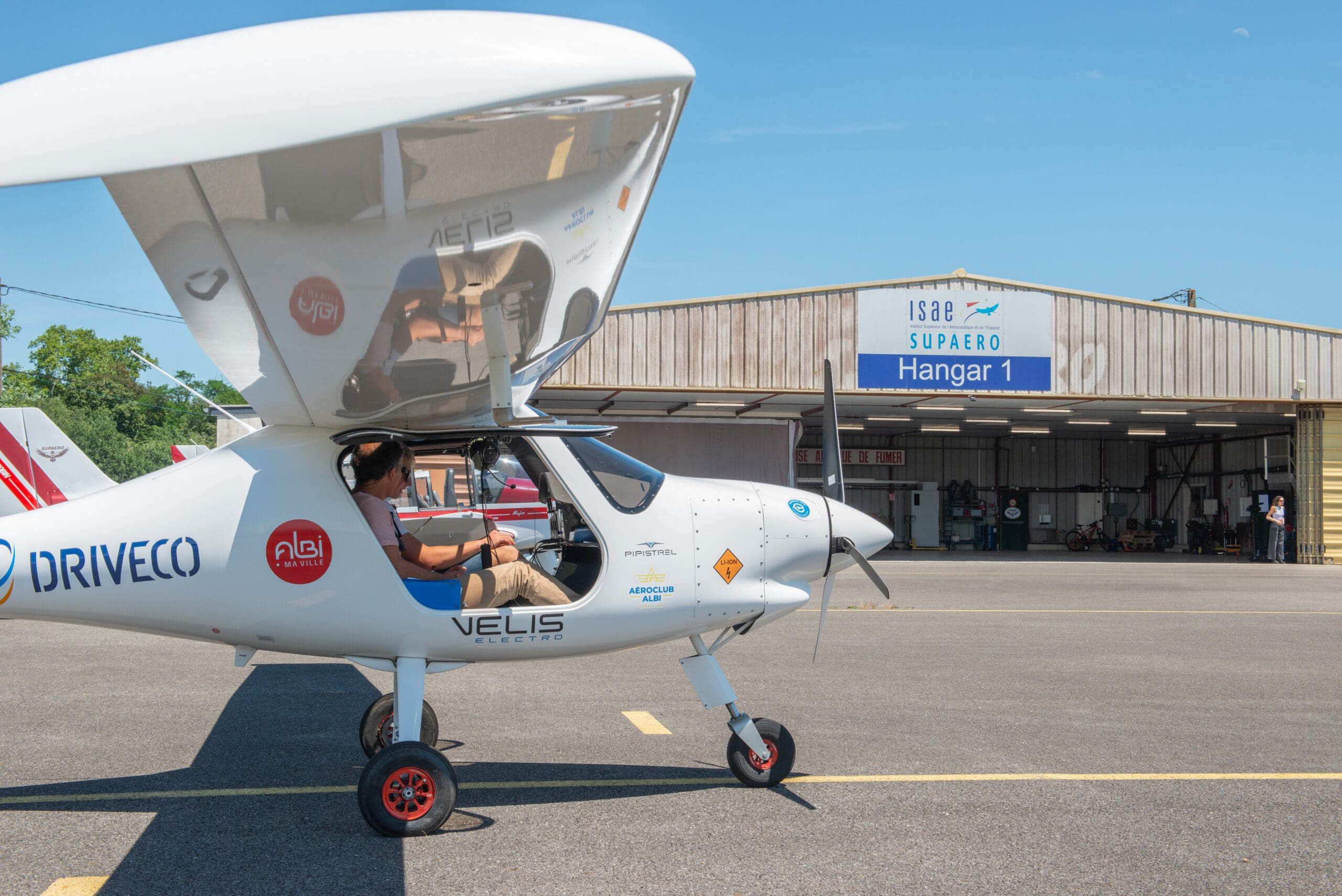
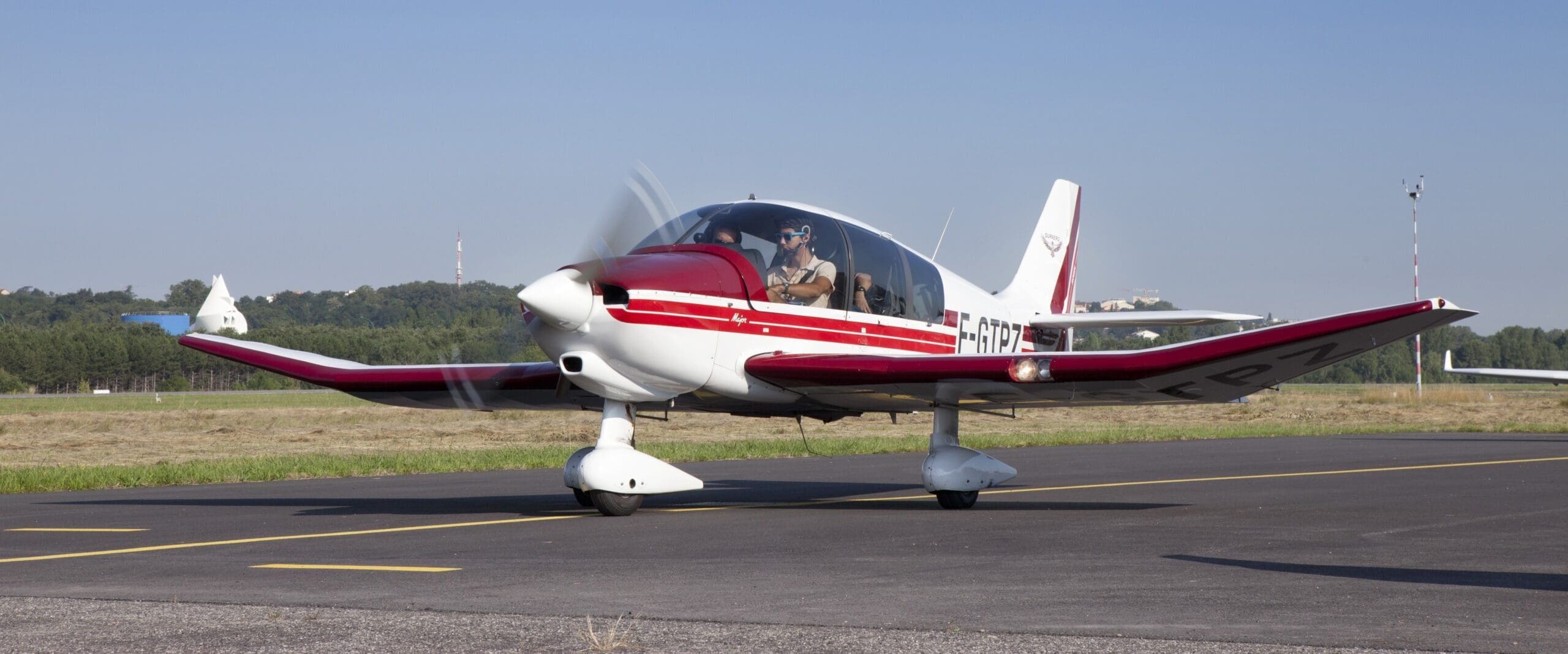
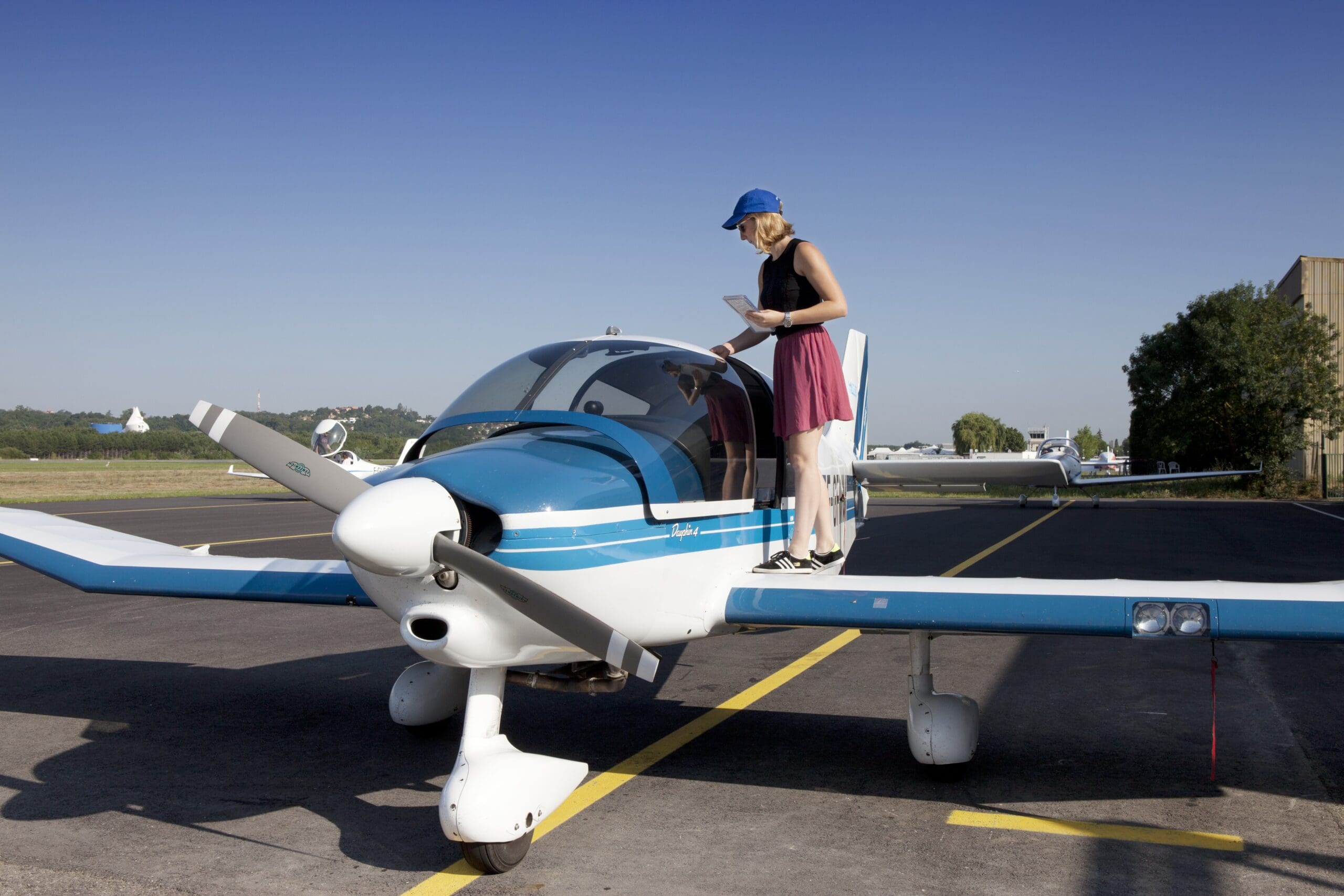
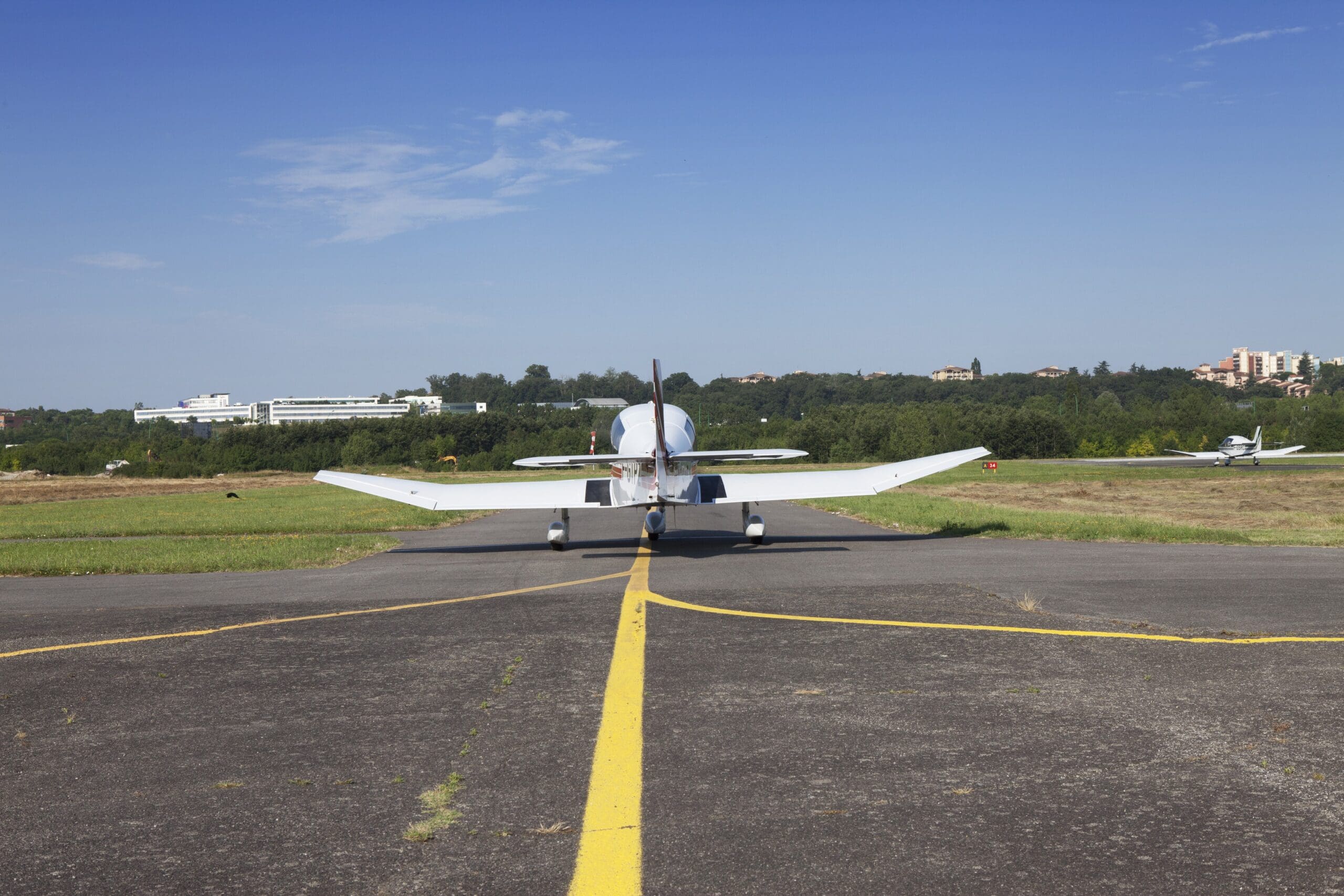
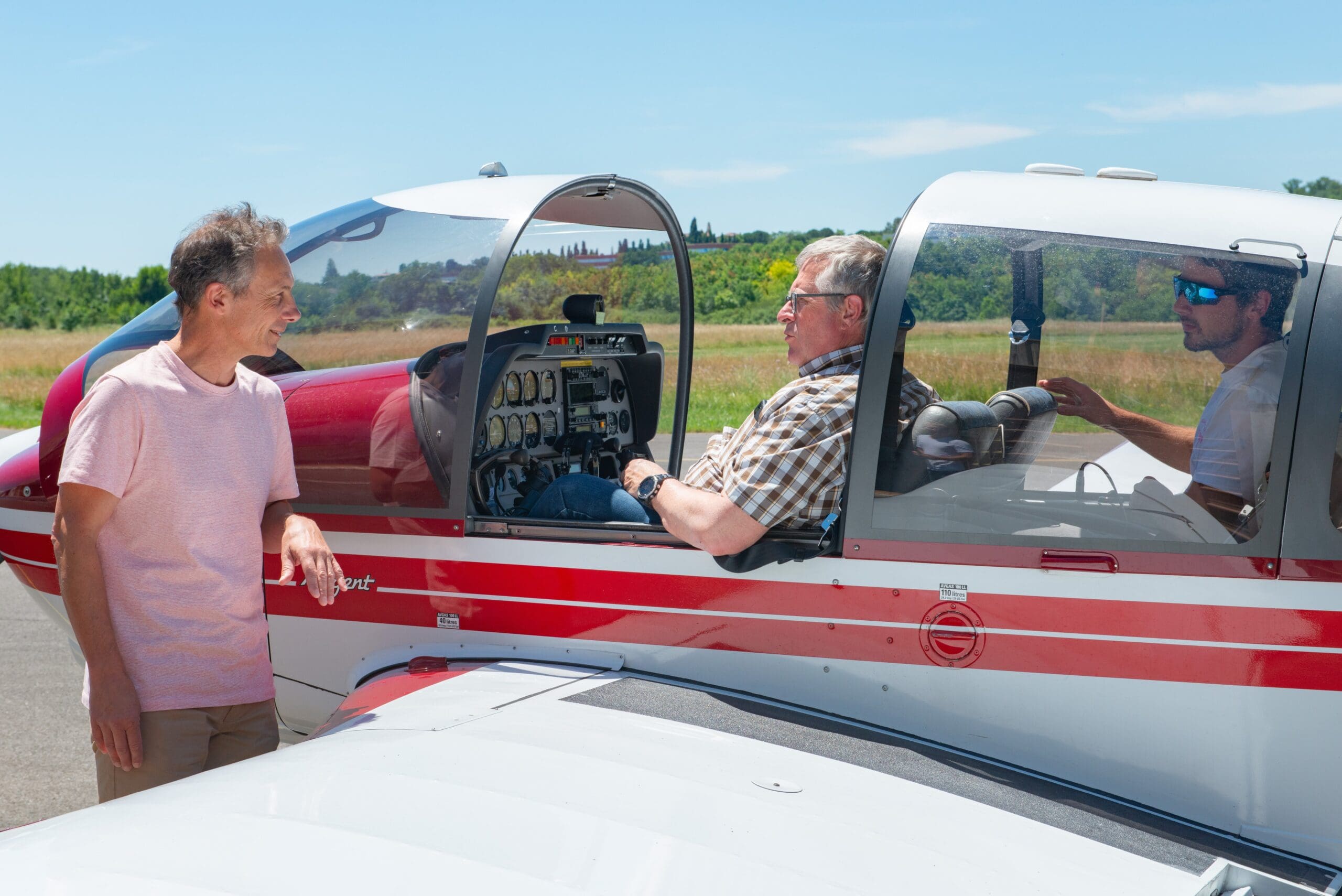
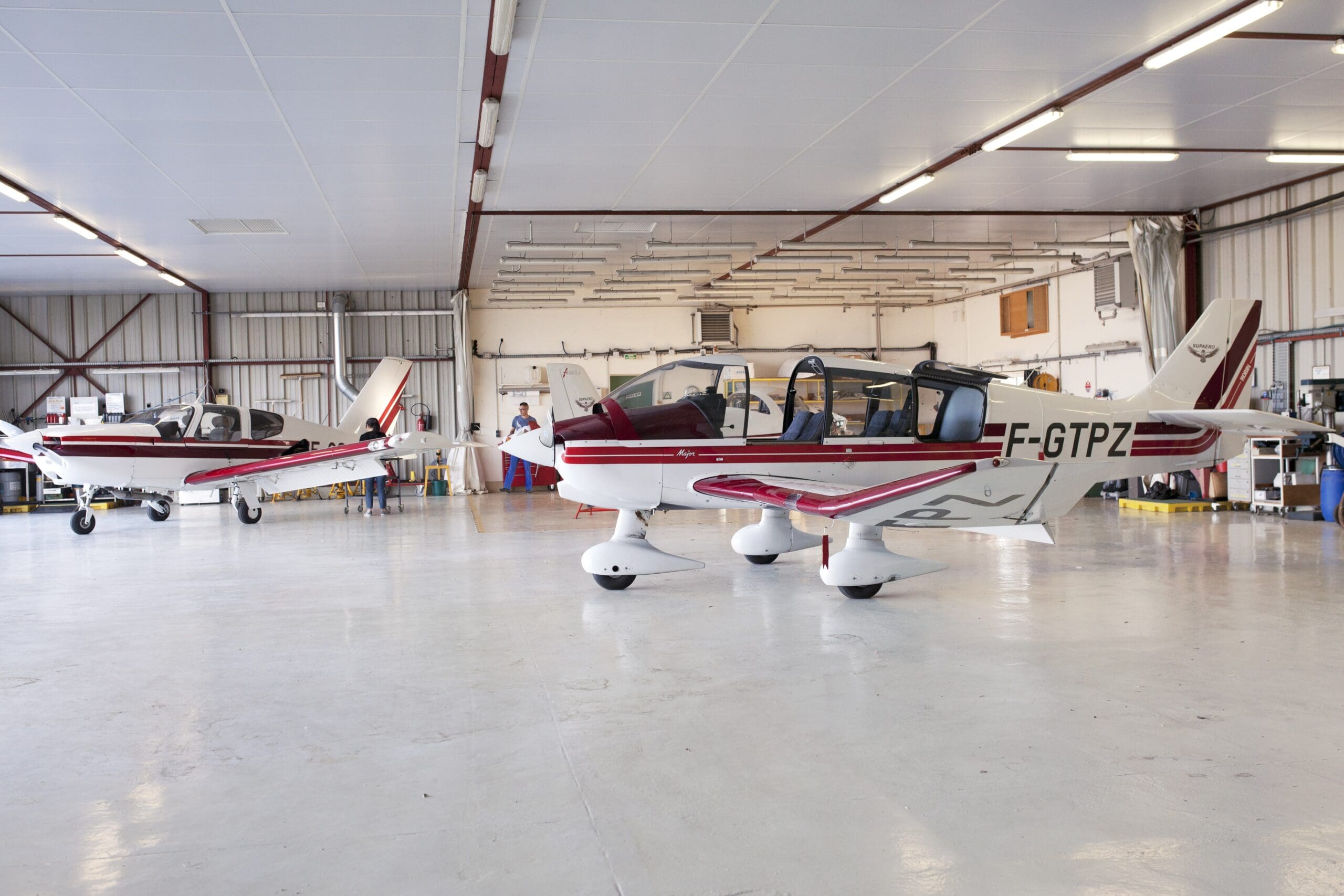
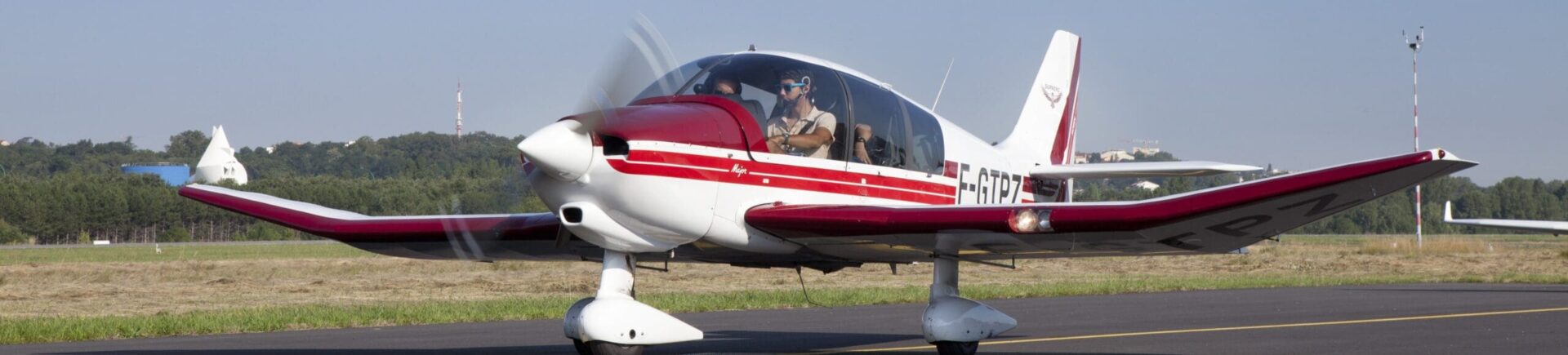
The ISAE-SUPAERO flight operations center at Lasbordes airfield has a fleet of 8 light aircraft for teaching and research in the fields of flight mechanics and neuroergonomics.
The fleet is comprised of:
- 4 Aquila two-seater single-engine aircraft dedicated to initial flight instruction
- 3 single-engine, four-seater DR400s dedicated to initial flight instruction, training ISAE-SUPAERO students, and research activities
- 1 twin-engine Vulcanair P68 Observer 2, currently being instrumented for student training and research activities
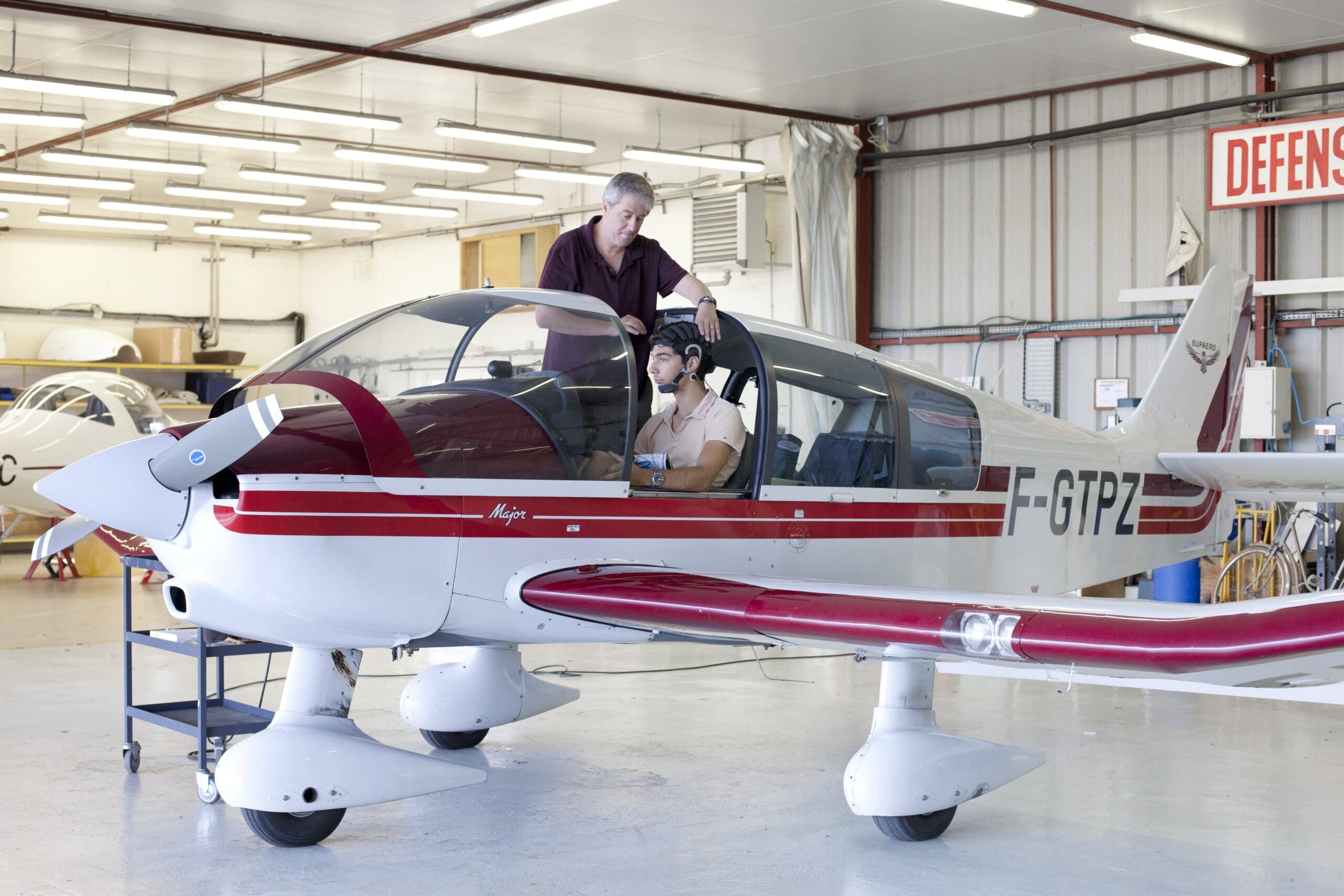
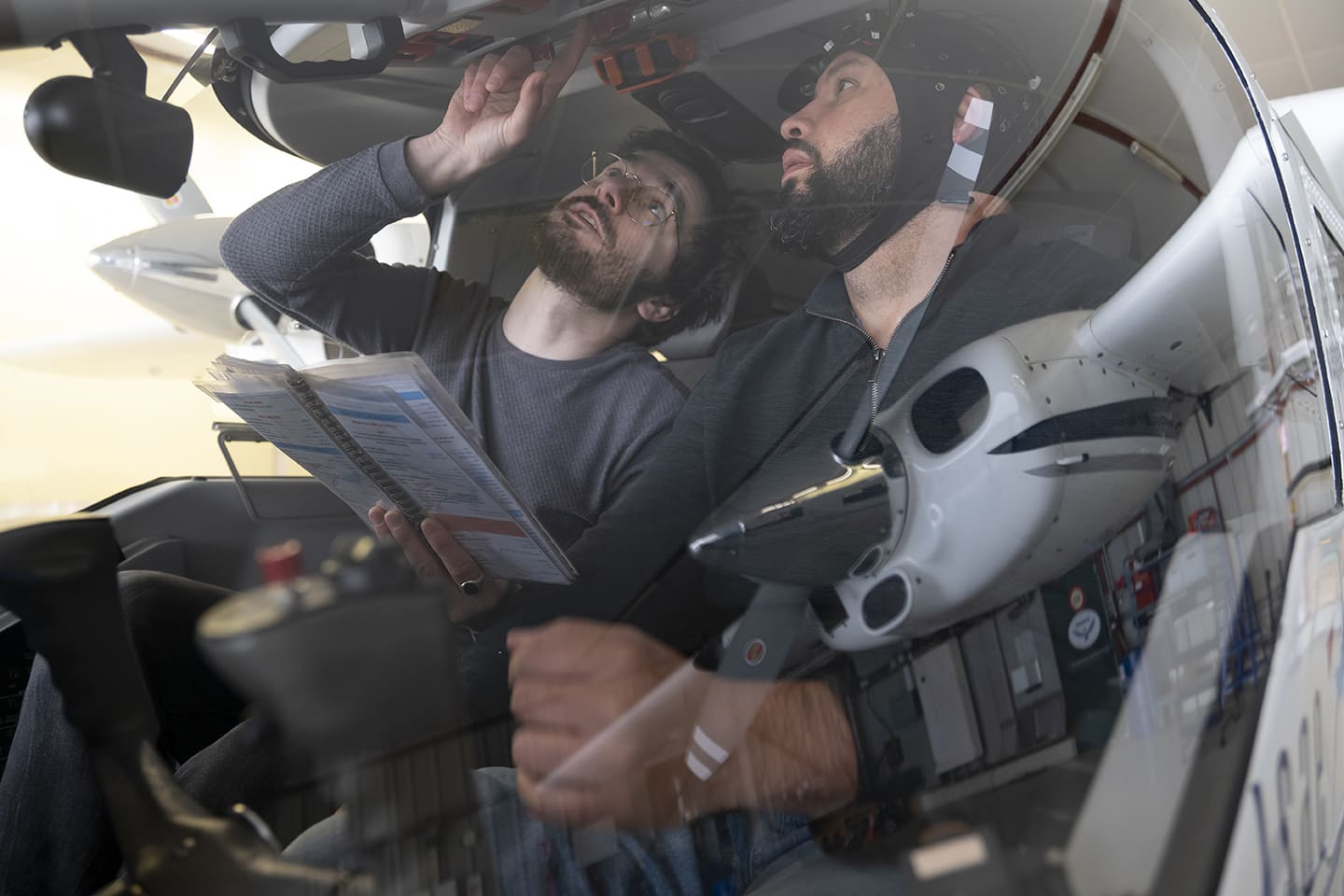
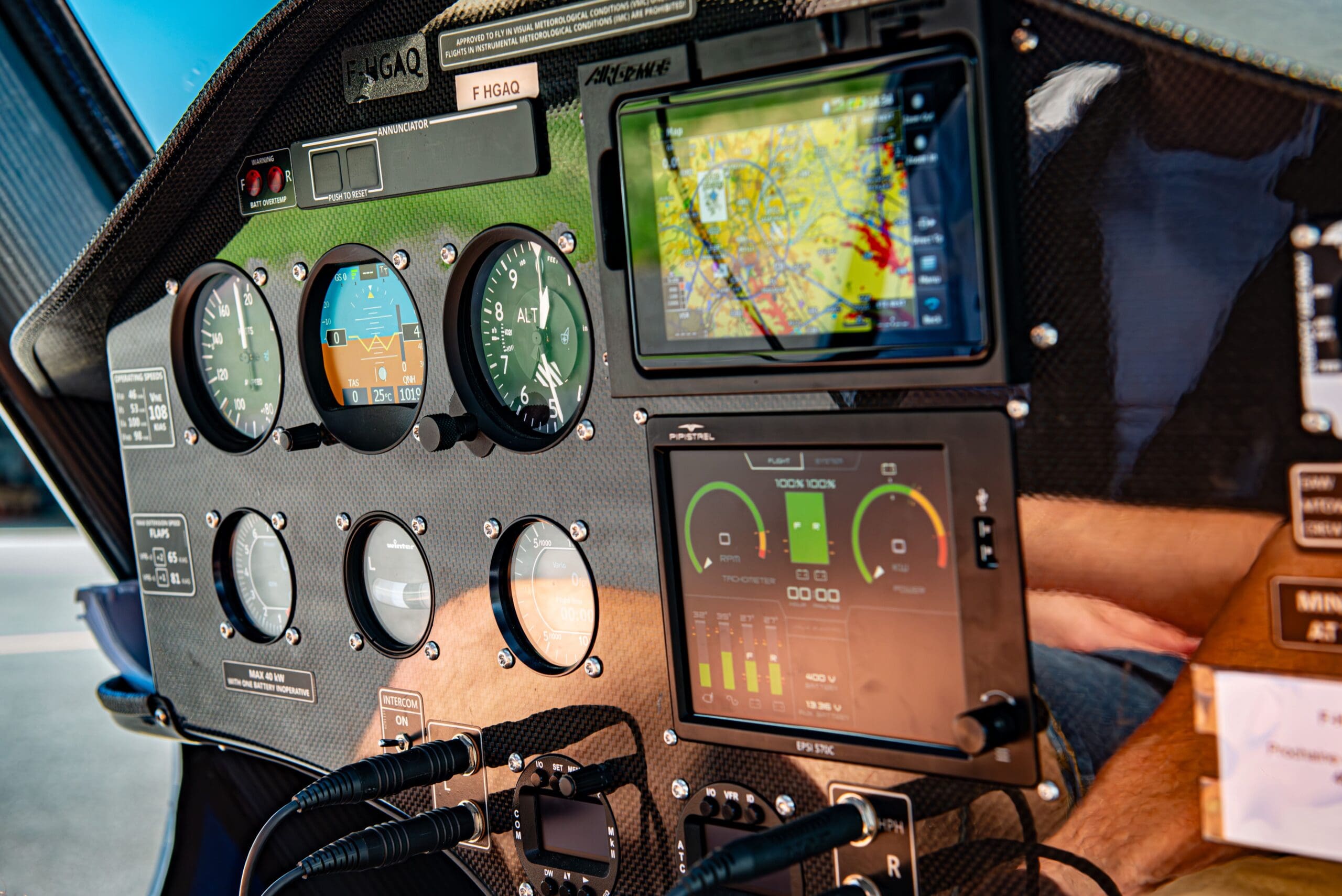
This aircraft is equipped with a telemetry system, enabling a flight to be followed in real time from the institute’s classrooms. It also features sensors capable of recording the pilot’s eye activity (eye trackers), brain activity, and more. Versatile, with a large payload capacity, it can also be fitted with optical sensors via a hatch under the fuselage.
The COAL maintenance unit is responsible for the day-to-day operation of the aircraft, fleet maintenance, and regulatory monitoring of airworthiness.
It also prepares and examines aircraft modification files required for research and training flights.
COAL's Activities
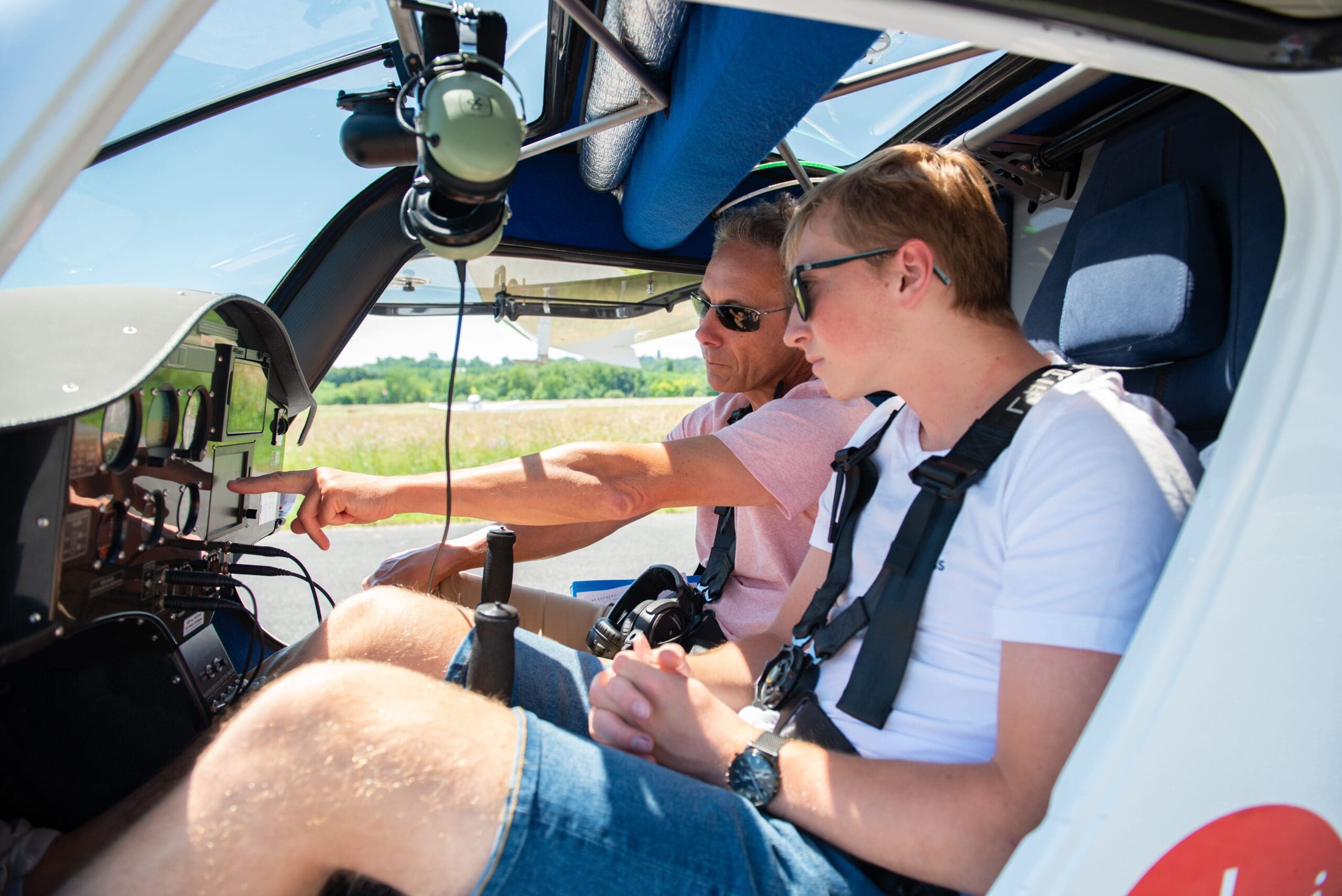
- Pilot training on light aircraft, open to engineering cycle and master’s students.
- Practical work in flight mechanics and initiation to flight test techniques for students and continuing education.
- Research flights in the field of human factors and any other area requiring in-flight sensors.
Directory
Discover the profiles of the 130 faculty members at the Institute who are pioneering research in aeronautics and space.
This resource allows you to explore the fields and research projects of our scientists.
Job Offers
Check out the vacancies for scientific staff in the research department
Thesis Offers
Check out the research department's thesis and post-doctorate vacancies
Internship Opportunities
Check out the Research Department's internship opportunities!
Theory, Modelling, and Systems Engineering (ThéMIS) Scientific Group

Our Research Areas
Our mission is to respond to the challenges posed by the design of increasingly integrated, autonomous, and mission-critical systems, by combining theoretical research, modelling methodology, and the implementation of engineering processes.
ThéMIS aims to develop robust and innovative solutions based on an interdisciplinary approach combining modelling, optimisation, and validation. We work with academic and industrial partners to meet the needs of critical sectors and innovate the technologies of tomorrow.
The ThéMIS research group carries out research in the following areas:
Theory
- Preliminary design of complex systems and exploration of the design space
- Architecture and trade-off analysis
- Semantics of models and formal verification and validation (V&V) methods
- System resilience (e.g. identification of obsolescence risks)
- Technology forecasting and roadmapping
Modelling
- Model-based systems engineering (MBSE)
- Links with functional safety analysis (MBSA) and multidisciplinary optimisation (MDAO)
- Model transformation and integration of validation and verification tools
Engineering Process
- Integration of MBSE, product lifecycle management (PLM) and lifecycle analysis (LCA) methodologies
The research carried out by the ThéMIS research group has applications in the following areas:
- Space (ground segment, vehicles, satellites)
- Autonomous vehicles (drones, robots, intelligent cars)
- Complex socio-technical systems (infrastructure management, human-machine interaction)
- Critical embedded systems and cyber-physical systems (safety, reliability and performance in constrained environments)
- Jonathan : Security evaluation of large distributed and reconfigurable systems
- Charles MATHOU: Global methodological framework for safety analysis of UAV systems
- Abdoulaye SARR: Multidisciplinary analysis and optimisation of a hydrogen-powered aircraft
- Charlotte STROBBE: Design of user-centred systems combining MBSE and HSI
- Augustin GALLOIS: Eco-design of a Lunar Habitat
- Ariane BEAUDOIN-BUSSIÈRES : Forecasting for dual technological innovation in strategic ecosystems
- Haochen GAO: Participatory design tools and systemic methods for multimodal air-rail systems
- Valentin MORDEL: Fault tolerance and reliable reconfiguration in an automotive HPC/ZCU architecture
- Maisa CIETTO: Identification and modelling of inefficiencies in the air transportation system
- Sophie LEMOUSSU : A model-based approach for innovative SMEs in the aeronautics industry
- Sébastien SCHWARTZ : Coupling deterministic and non-deterministic simulation for predictive maintenance
- Juan José MONTERO JIMENEZ: Knowledge reuse to improve system architecture for predictive maintenance
- Eric-Guillaume VIDOT: Towards the certification of avionics systems based on machine learning: using mathematical proofs to guarantee reliability
- Anass AKRIM : Prediction of remaining lifetimes of aeronautical components using deep learning approaches
- Ombeline AIELLO: Early validation of system designs using a joint engineering approach based on models and optimisation
- Sophia SALAS CORDERO: Early phases of complex system design: obsolescence considerations from an MBSE perspective
- Eric RAZAFIMAHAZO: A systems engineering approach to the design of multi-use systems on mission inside buildings
- Morgan GAUTHIER: Architectural optimisation of automotive applications on MpSoC components
- Laetitia BORNES: Interactive systems engineering between design science and design as science
Faculty members
Theses in progress
Theses defended
Our Classes
The members of the ThéMIS group are involved in ISAE-SUPAERO’s educational programmes: the general engineering programme, industrial engineering speciality programme by apprenticeship, Master’s degree in Aerospace Engineering (MAE) and various Advanced Master® (AM) programmes.
The group manages the MAE Systems Engineering major (around 30 students/promotion) and the Systems Engineering AM (around 10 students/promotion).
Members of the group are involved in other activities, in particular directing the Systems Doctoral School at the University of Toulouse.
Our Projects
New design, analysis, and qualification methods to ensure drone certification.
Formal verification methods for space systems. Development of the model-checker integrated into ESA's TASTE development platform (https://taste.tools), in collaboration with UGA/Verimag, GMV, and ESA/ESTEC.
Integrated Air Transport System chair with Thalès Group: this sponsorship, research, and teaching chair draws on ISAE-SUPAERO's expertise in optimising the flight operations and systems approach, and on the Thalès Group's expertise in flight avionics, connectivity, and air traffic control.
Our Permanent Members
Head of Themis Group
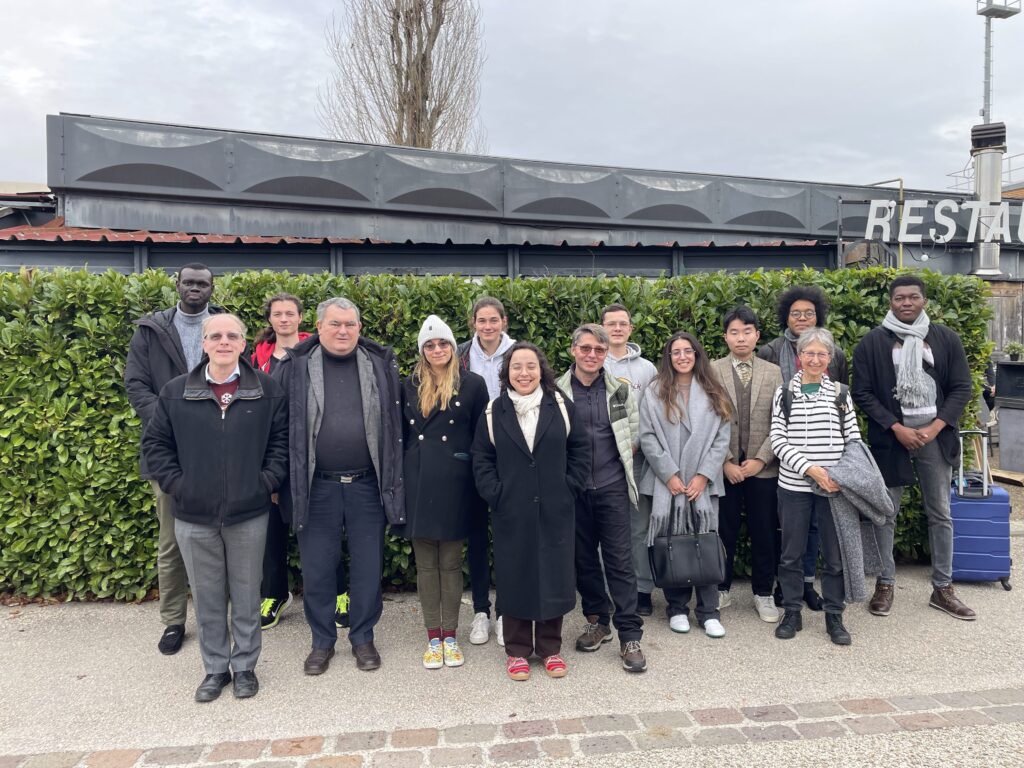
Thémis Group | Members 2025
Our Partners
Industry Partners
Academic Partners
Directory
Discover the profiles of the 130 faculty members at the Institute who are pioneering research in aeronautics and space.
This resource allows you to explore the fields and research projects of our scientists.
Job Offers
Check out the vacancies for scientific staff in the research department
Thesis Offers
Check out the research department's thesis and post-doctorate vacancies
Internship Opportunities
Check out the Research Department's internship opportunities!
Learning, Decision, Optimisation (ADO) Scientific Group

Our Research Areas
Our work focuses on decision support systems, from the collection of data to its interpretation, in order to make the best decision.
Our common scientific question is: ‘What are the models and algorithms that lead to a learning or decision-making process?’
To answer this question, the ADO group draws on and contributes to the techniques of artificial intelligence (reinforcement learning, evolutionary algorithms, constraint programming) and industrial engineering (operations research, knowledge management, systems engineering).
The applications of the research carried out within the ADO research group are in the following fields:
- Aeronautics and Space: Earth Observation and Autonomous Vehicles
- Production systems: System configuration and workshop programming
- Industry X.0: Preventive maintenance
Doctoral and post-doctoral students
Researchers
Research areas
Teaching modules
Our Classes
Our research group is heavily involved in ISAE-SUPAERO‘s top-quality educational programmes, both in the engineering cycle curriculum and in the Masters programmes. We are fully committed to teaching, offering courses that combine theory and application, to ensure that students receive an education based on the latest scientific and technological advances.
We encourage and promote participation in research projects to enable our students to develop the practical and methodological skills that are essential in the field of decision support systems.
We are involved in the following modules:
- Third-year Decision Sciences course
- Data and Decision Sciences pathway
- Industrial Engineering pathway
- F-SD320 Supply Chain
- F-SD321 Production
- F-SD322 Modelling and Simulation
- F-SD323 Quality and IS
- F-SD311 Machine Learning
- F-SD312 Big Data
- F-SD313 Digital Eco. Digital
- F-SD314 Case Studies
- F-SD319 Seminars
Our Partners
Head of ADO Group
Directory
Discover the profiles of the 130 faculty members at the Institute who are pioneering research in aeronautics and space.
This resource allows you to explore the fields and research projects of our scientists.
Job Offers
Check out the vacancies for scientific staff in the research department
Thesis Offers
Check out the research department's thesis and post-doctorate vacancies
Internship Opportunities
Check out the Research Department's internship opportunities!
Applied Mathematics (MA) Scientific Group
Our Research Areas
One of the main fields of study, which brings together almost all these themes, is the theoretical and numerical study of problems related to fluid-structure interactions.
These research activities are carried out in collaboration with the major players in Toulouse: The Toulouse Mathematics Institute (Paul Sabatier University-INSA), ONERA and the Clément Ader Institute (ICA), as well as with other national and international partners.
The Applied Mathematics (MA) research group comprises seven faculty members and one research engineer.
Contributions are mainly made to the following research themes:
*The division presented below is not strict: Interactions exist.
In this research area, we are interested in various aspects of the control and stabilisation or stability of solutions to partial differential equations. To be more precise:
- Control of partial differential equations
- Fluid-Structure Interaction
- Hamiltonian systems with interaction ports (pHS)
The idea behind interaction port Hamiltonian systems is to describe the dynamics of a system using the physical energy of the system (called the Hamiltonian).
In particular, this makes it possible to deal with non-linearities (non-quadratic Hamiltonian) in general. Analysis of the associated Cauchy problem is still an active research topic in the case of infinite-dimensional systems (typically non-linear partial differential equations).
Interaction ports classically consist of co-located control and observation (among other things), enabling different pHs to be coupled. The resulting system is still a pH. There are algebraic structures subordinate to pHs: Dirac structures.
Numerical simulation of pHs calls for special numerical methods to preserve the Hamiltonian (or, more precisely, the existence of a Dirac structure associated with the discretized system).
It should also be noted that closed-loop stabilisation is easily obtained in pHs, and that they also allow, at least in finite dimension, constraints to be taken into account in the form of algebraic equations coupled to the dynamical system.
- Fractional and Diffusive Differential Systems (SDF)
- Well-Posed Linear Systems (WPLS)
This area of research focuses on numerical optimisation and multidisciplinary optimisation in the context of pre-project design. To be more precise:
- Development and analysis of optimization algorithms (deterministic and stochastic)
- Solving large linear systems and preconditioning
- Uncertainty propagation (UQ)
- Sensitivity analysis
- Substitution models
- High-Performance Computing (HPC)
This area of research focuses on the application of probability and statistics to practical problems encountered by industry. To be more precise:
- Performance analysis of communication networks
- Sensitivity analysis
- Random trees
Our Partners
Head of MA Group
Directory
Discover the profiles of the 130 faculty members at the Institute who are pioneering research in aeronautics and space.
This resource allows you to explore the fields and research projects of our scientists.
Job Offers
Check out the vacancies for scientific staff in the research department
Thesis Offers
Check out the research department's thesis and post-doctorate vacancies
Internship Opportunities
Check out the Research Department's internship opportunities!
Design and Analysis of Critical Systems (CASC) Scientific Group
Our Research Areas
The Critical Systems Analysis and Design (CASC) group focuses on methods and tools to support systems engineering, with the following objectives:
- To extend the state of the art in terms of software dependability, from the design of the initial model to the hardware target, as well as in the definition and use of support tools for formal simulation/verification.
- To contribute to the definition and formal modelling of new system architectures, and to the integration of new software functionalities such as those arising from AI.
The CASC group covers several facets of software-intensive system engineering: design, verification, and validation of critical systems, deployment on hardware targets, and, finally, distributed and real-time simulation.
Our contributions are applied to aeronautics and space, but also more broadly to embedded and cyber-physical systems. These contributions are presented through publications on OpenScience and software, some of which can be freely distributed.
The CASC group is organised around two research themes:
The Formal Methods and Dedicated Languages theme is concerned with the formal semantics of programming languages as well as programs and their specifications, applied particularly to languages adapted to the design of critical embedded systems.
The use of formal methods (programme proofs, SAT/SMT methods, correction by construction, etc.) for the rigorous design of avionics functions can be applied to the various stages in the design and implementation of a product: architecture consistency verification, proof of correct operation of model transformation/code generation tools, and proof of correctness of the application code to be embedded.
The study of dedicated languages (synchronous reactive, probabilistic, etc.) and their semantic aspects will ensure that programmes can be embedded for the implementation of avionics functions, for example, taking into account the strong requirements and constraints of the field, both in terms of computing resources and the implementation of advanced AI-based functions (neural networks or learning by Bayesian inference).
The Architecture and Simulation of Cyber-Physical Systems theme focuses on the V&V stages of critical systems, particularly in conjunction with the PRISE platform.
- New avionics architectures: taking into account new processor and network paradigms and their safe integration into an avionics platform (SMARTIES project)
- Embeddability of applications on hybrid architectures (CPU, GPU and FPGA), in particular neural networks and their complex decision tasks
- Systems simulation based on state-of-the-art tools
- Real-time distributed simulation, through the implementation of the HLA standard by the CERTI middleware developed in partnership with ONERA. CERTI implements versions 1.3 and 1516 of the HLA simulation standard.
- Interoperability and coupling of simulation models for cyber-physical systems, with the Ptolemy-HLA tool. This distributed co-simulation environment couples two open-source tools, Ptolemy II and CERTI/HLA. It takes advantage of Ptolemy's calculation models and the HLA standard for interoperability and deterministic distribution of simulations.
Our Team
Permanent Team Members
- Jannette Cardoso (HdR)
- Jean-Baptiste Chaudron
- Arnaud Dion
- Fabrice Frances
- Christophe Garion
- Christine Tasson (HdR)
- Xavier Thirioux (HdR)
7 PhD Students
Head of CASC Group
Directory
Discover the profiles of the 130 faculty members at the Institute who are pioneering research in aeronautics and space.
This resource allows you to explore the fields and research projects of our scientists.
Job Offers
Check out the vacancies for scientific staff in the research department
Thesis Offers
Check out the research department's thesis and post-doctorate vacancies
Internship Opportunities
Check out the Research Department's internship opportunities!
Connected Systems (SysCo) Scientific Group
Our Research Themes
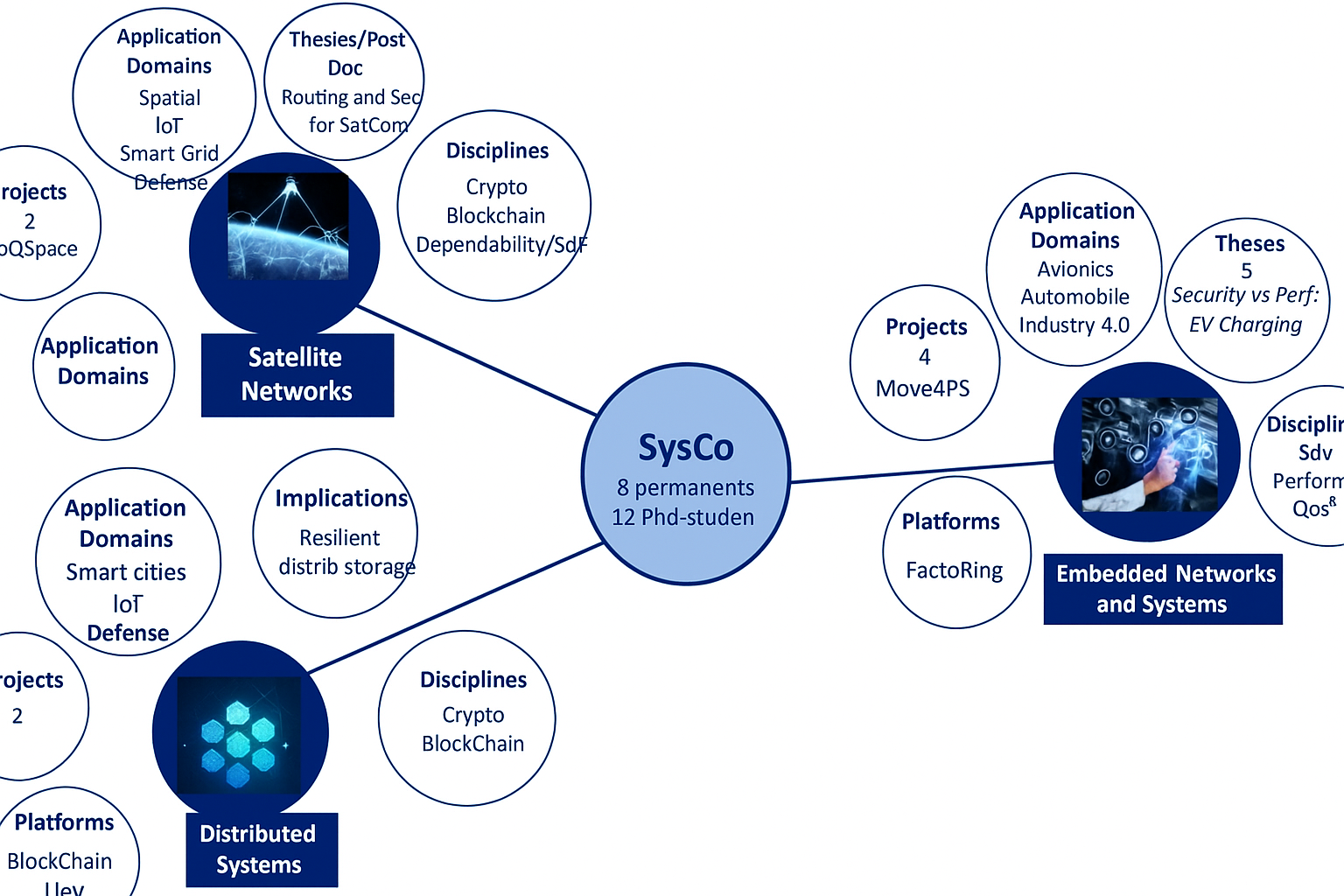
To meet the Institute’s teaching needs, the SYSCO research team’s skills cover all the fields of application of networks and connected systems in the various aerospace contexts.
The global vision developed by the team has made it possible to identify three major research themes on which research efforts have been focused for several years:
- Satellite networks: Secure and deterministic data transmission
- Embedded systems and networks: Design and performance analysis of embedded systems and networks subject to deterministic and security constraints
- Distributed systems: Reliable and secure large-scale distributed storage
Each teacher-researcher contributes to at least two of the team’s three research themes, which makes it possible to generate multiple collaborations and cross-disciplinary contributions in addition to results focused on one area.
In addition, several collaborations with members of the department’s other research groups and other departments (notably DEOS) are also prolific.
This research work has been put to good use in a number of ways over the last 5 years:
- Supervision of more than twenty doctoral and post-doctoral students
- Publication of around a hundred scientific papers and international patents
- Setting up three research platforms: Ireal/Satenet for satellite networks, Blockchain 4 UAV for distributed systems, and Factoring for embedded networks
- Participation in more than a dozen research projects with industrial and academic partners, including regional projects, ANR projects, industrial projects (TAS, Thales Avionics, AIRBUS), CNES R&T, and projects with the Institut de Recherche et de Technologie (IRT) Antoine de Saint-Exupéry.
Our Scientific Challenges
The main scientific issues that we are considering in order to advance the state of the art in our work in each of these research areas are:
For Satellite Networks
- Large-scale multi-orbit dynamic system and its heterogeneity with terrestrial networks
- Improving the security of communication protocols using post-quantum cryptography
- Definition and integration of secure routing with deterministic QoS guarantees (throughput, delay)
For Embedded Networks and Systems
- Heterogeneous hardware architectures and a variety of access control mechanisms
- Joint SW and HW approach for deterministic execution on multicore/manycore
- Definition and analysis of scheduling strategies for embedded applications
- Definition and analysis of security mechanisms adapted to real-time networks
- Methods for evaluating the security/performance trade-off
In Distributed Systems
- Ensuring scalability, data integrity, and mitigation of cyber-security risks
- Implementation of cybersecurity mechanisms and post-quantum cryptography
- Definition of 'zero knowledge' mechanisms for blockchains and peer-to-peer networks
- Integration of erasure codes to ensure the reliability and integrity of distributed storage
Team Members
Ahlem MIFDAOUI (Team Leader)
- Real-time and satellite networks
- Routing, QoS
- Cryptography and Cybersecurity
- Blockchains
- Cryptography and reliability
- Distributed Systems/Blockchains
- Cryptography and Cybersecurity, Blockchains
- Satellite networks, Routing, QoS
*Head of DISC
- Real-time Networks and Systems
- Dependability, OS
- Distributed Systems/Blockchains
- Dependability
Head of SysCo Group
Our Partners
Academic Partners
At the National Level
At the International Level
State and Industrial Partners
Directory
Discover the profiles of the 130 faculty members at the Institute who are pioneering research in aeronautics and space.
This resource allows you to explore the fields and research projects of our scientists.
Job Offers
Check out the vacancies for scientific staff in the research department
Thesis Offers
Check out the research department's thesis and post-doctorate vacancies
Internship Opportunities
Check out the Research Department's internship opportunities!
DMSM at the Clément Ader Institute (ICA)
In 2019, 90 researchers and associate researchers are organising and coordinating their activities in four research groups:
- MSC: Composite Materials and Structures
- SUMO: Surface, Machining, Materials, and Tools
- MS2M: Modelling of Mechanical Systems and Microsystems
- MICS: Measurement, Control, and Monitoring
The DMSM is involved in three of these four research groups: MSC, SUMO and MS2M.
Involvement in MSC Group Activities
Four DMSM professors carry out their research activities within the Composite Materials and Structures group of the ICA, mainly in the SIMU area, but also in certain areas of the MAPP area.
Area 1 – Structures, Impact, Modelling, Machining (S.I.M.U.):
- Theme 1: Impact – crash
- Theme 2: Behaviour modelling
- Theme 3: Machining
Area 2 – Materials, Properties, and Processes (M.A.P.P.):
- Theme 1: Process simulation
- Theme 2: Emerging processes
- Theme 3: Tooling
- Theme 4: Innovative materials and methods for the multi-scale study of properties
Certain activities related to composites, but also to the themes of other research groups in the laboratory, are also addressed by the team within the ICA’s transversal UMM and ASM research areas. The team is developing partnerships with academic and industrial players, sometimes around structuring French or European multi-partner projects (ANR, FUI, etc.), or regional projects.
Academic Partners
Involvement in SUMO Group Activities
Three DMSM professors contribute to and co-lead the research activities for the Surface, Machining, Materials, and Tooling group (Groupe SUMO).
Area 1 – Fatigue, Modelling, Damage and Wear (F.A.M.E.U.):
- Theme 1: Analysis of interfacial heat exchanges
- Theme 2: Tribology and hot and cold wear
- Theme 3: Modelling behaviour and service life under thermomechanical loads
Area 2 – Properties of Use and Microstructures of Advanced Materials (P.U.M.A.):
- Theme 1: Mechanisms of plastic deformation and microstructural evolution in relation to macroscopic properties
- Theme 2: Damage and ageing under mechanical, thermal, and environmental stresses
- Area 3 – Machining and Shaping (Usi.M.e.F):
- Theme 1: Improving machining quality
- Theme 2: Optimised tool positioning on left-hand surface, optimised machining strategy
- Theme 3: Digital chain for tool design and serviceability: Virtual Lab®.
Our Resources
- Experimental: Stereo-correlation, microscopy (MO, SEM, EDX), fatigue machines (uniaxial and multiaxial), instrumented nano-indenters, etc,
- Numerical: ABAQUS, LS-DYNA, NASTRAN, Z-set (Zébulon, Zmat).
Our Partners
Involvement in MS2M Group Activities
Ten DMSM professors contribute to and co-lead the research activities of Axis 1 and Axis 2 of the Mechanical Systems and Microsystems Modelling Group (MS2M Group):
Axis 1 – Systems and Microsystems Engineering (I.S.M.):
- Theme ISM1: Optimal multidisciplinary design or design under uncertainty
- Theme ISM2: Microfluidics and mechanical microsystems
- Theme ISM3: Embedded systems, mechanical assemblies and actuators
Area 2 – Integrity of Structures and Systems (ISS):
- Theme ISS1: Vibration dynamics of structures and systems
- Theme ISS2: Structures under severe loads
- Topic ISS3: Numerical developments in structural design
Our Partners
Directory
Discover the profiles of the 130 faculty members at the Institute who are pioneering research in aeronautics and space.
This resource allows you to explore the fields and research projects of our scientists.
Job Offers
Check out the vacancies for scientific staff in the research department
Thesis Offers
Check out the research department's thesis and post-doctorate vacancies
Internship Opportunities
Check out the Research Department's internship opportunities!