I Am:
Make a Donation
Share this page :

ISAE-SUPAERO trains space pioneers – Special report on Sophie Adenot’s mission

Publication Date

09 February 2026

Category

Research

Tag
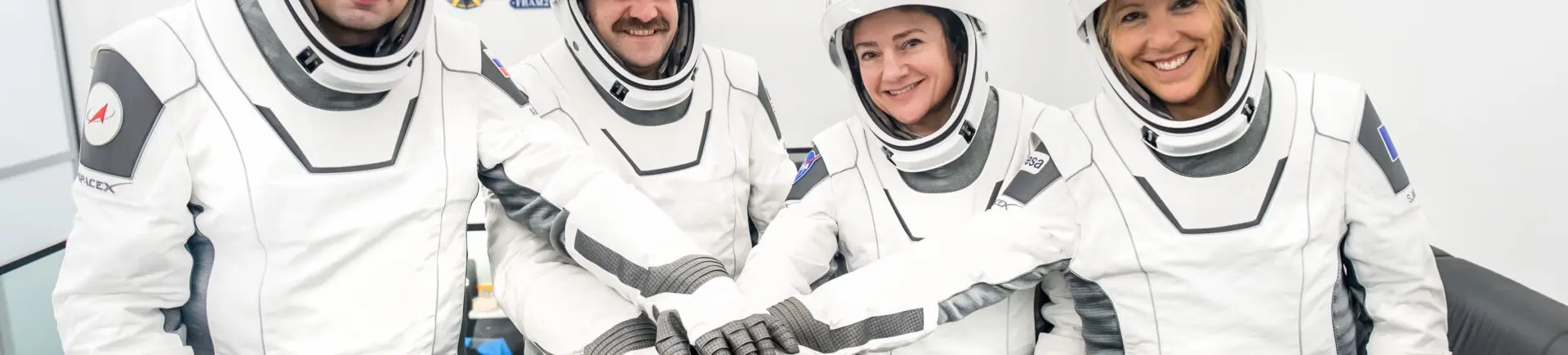
Sophie Adenot takes off for the ISS
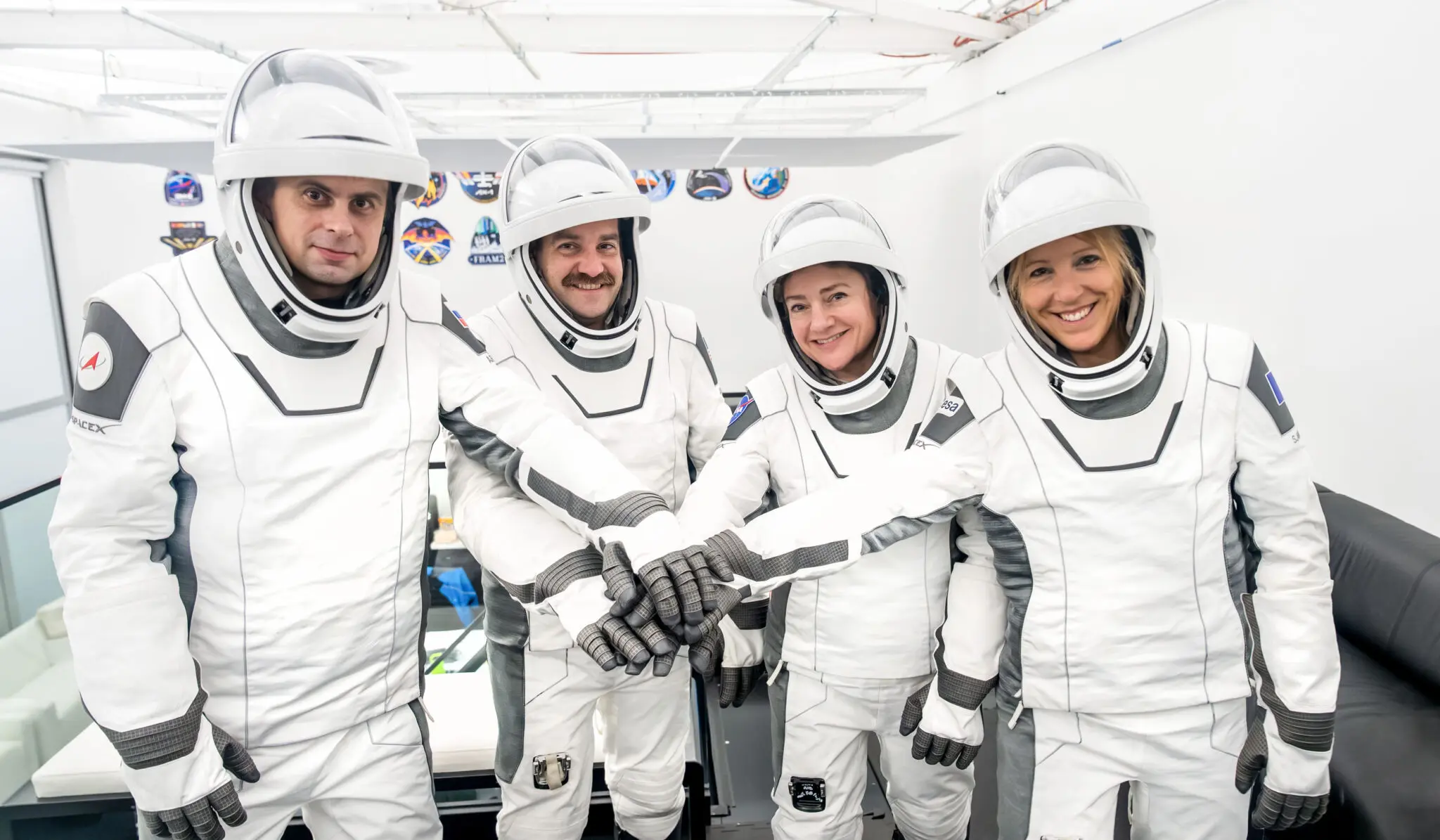
Crew-12 (from left to right): Andreï Fediaïev, Jack Hathaway, Jessica Meir and Sophie Adenot

France's space sovereignty

Our teacher-researchers, key players in the space sector

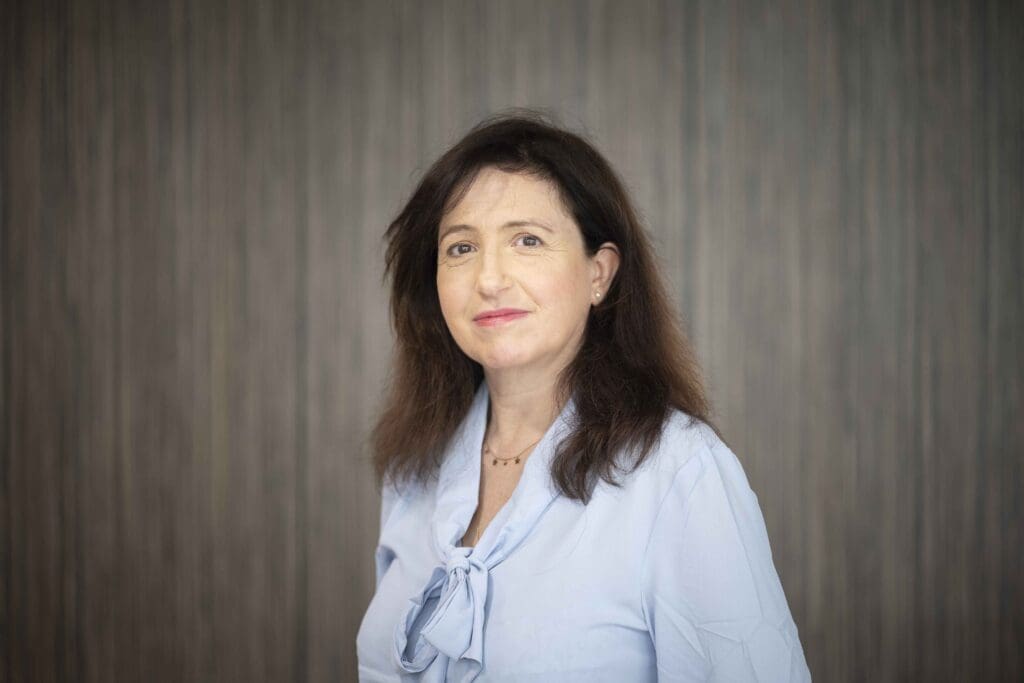
Stéphanie Lizy-Destrez

Stéphanie Lizy-Destrez is a professor of space systems engineering and head of SaCLaB, a research laboratory dedicated to the space systems of the future.

She was elected to the Académie de l’Air et de l’Espace, in recognition of her brilliant and atypical career in the service of a passion: space exploration.

To find out more, click here.

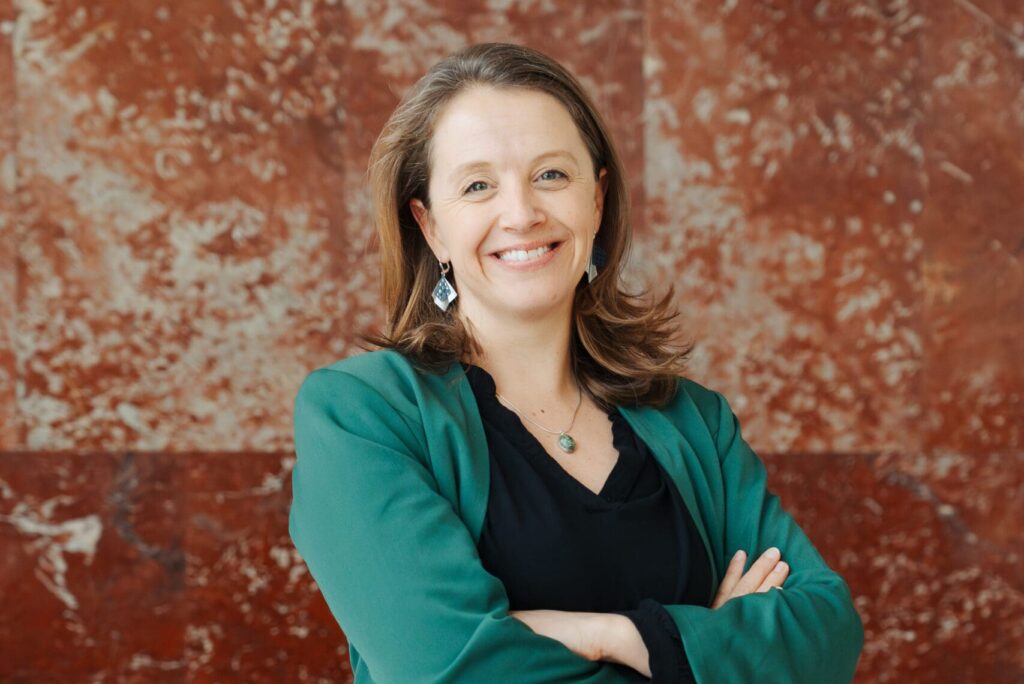
Naomi Murdoch

A physicist and planetary scientist at ISAE-SUPAERO, she is a member of the Space Systems for Planetary Applications (SSPA) team and is involved in several planetary exploration missions.

Her research aims to improve our understanding of the physical properties of asteroids and planets, with a particular focus on the behaviour of planetary surfaces in low gravity.

To find out more, click here.

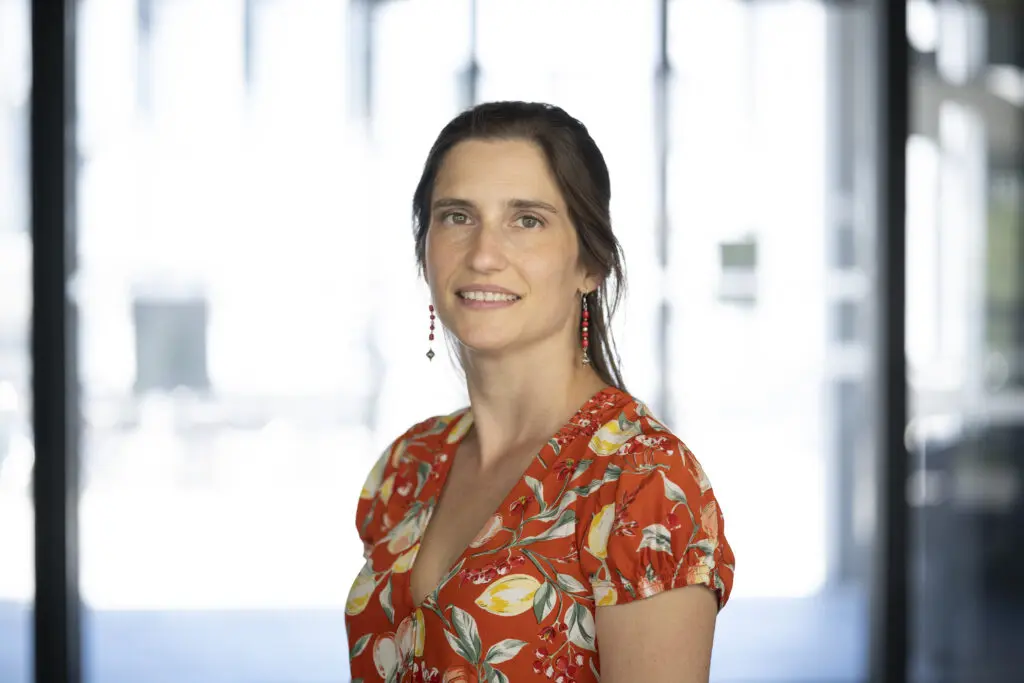
Annafederica Urbano

Professor of space launchers at ISAE-SUPAERO, she conducts her research activities within SaCLaB. An expert in space propulsion, she has developed a research area at ISAE-SUPAERO dedicated to access to space and propulsion.

In 2025, the Académie des Sciences awarded her the Edmond Brun prize in recognition of her work.

To find out more, click here.

Our alumni, ambassadors in the space sector

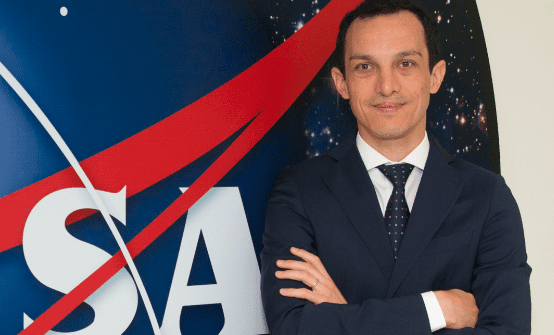
Giuseppe Cataldo

A 2010 alumnus of the ISAE-SUPAERO General Engineering programme, Giueseppe Cataldo is currently Deputy Chief Technology Officer at NASA’s Goddard Centre. For several years, he worked on the James Webb telescope, before being appointed chief engineer for two astrophysics missions and then planetary protection manager for the latest mission in the Mars Sample Return programme.

To find out more, click here.

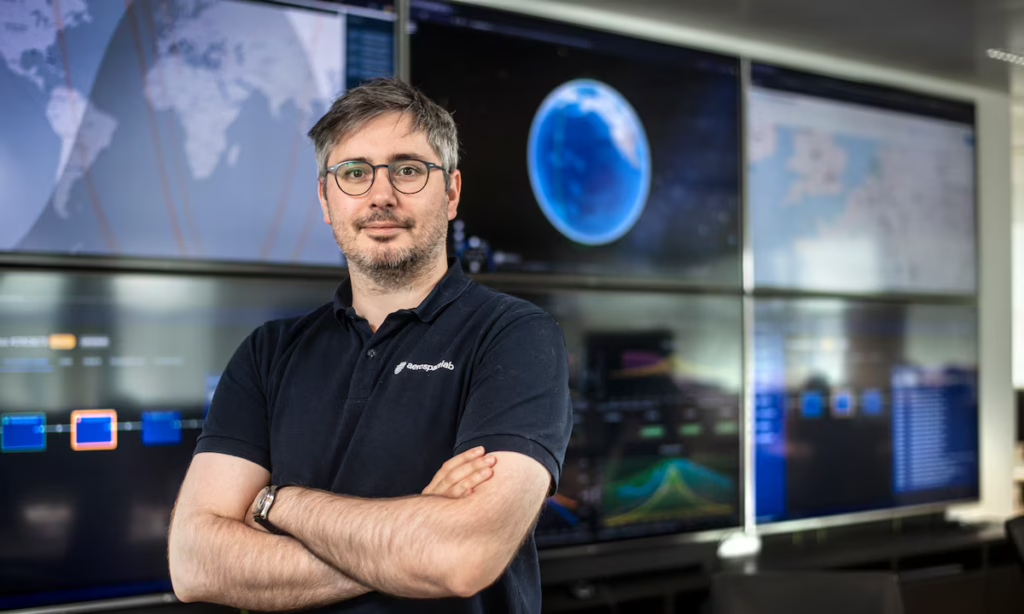
Benoît Deper

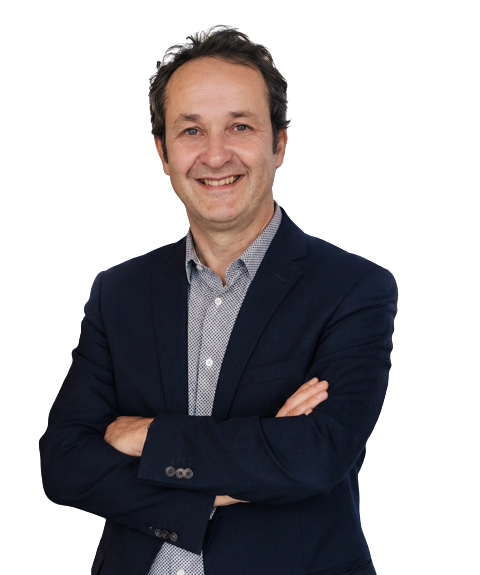
A 2011 alumnus of the Mastère Spécialisé® Systems Enginerring (SEN), Benoît Deper is currently CEO of Aerospacelab, a company specialising in the design, manufacture and operation of satellites. He has just raised €94 million to build a satellite megafactory in Charleroi – the largest in Europe and the second largest in the world. Aerospacelab’s ambition is to take Europe into the era of microsatellite mass production.

Find out more about Aerospacelab.

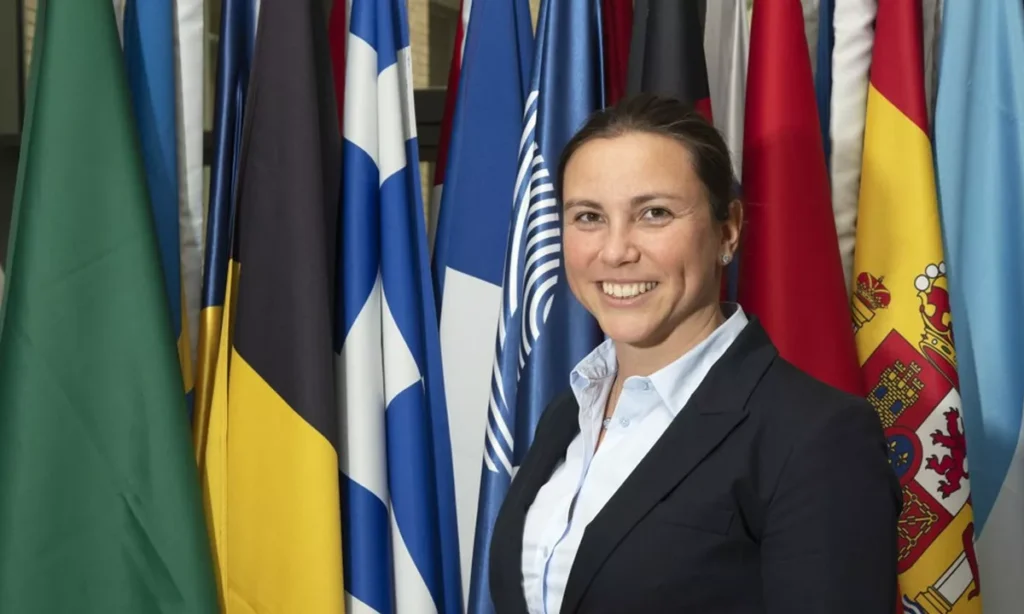
Elodie Viau

Elodie Viau is a 2008 alumnus of the Master’s degree in Aerospace Engineering, with a major in telecommunications satellites, and has been appointed Head of Spacecraft and Systems Engineering at Airbus. A fantastic career move after 12 years with SES and a position as Telecommunications Director with the European Space Agency (ESA) on the Moonlight project.

To find out more, click here.

and some of them up close!

Thomas Pesquet

A 2001 graduate of ISAE-SUPAERO’s engineering programme, Thomas Pesquet is an engineer, a test pilot for Airbus on the A320, A330 and A350, an officer in the French Air Force’s operational reserve and an ESA astronaut. In 2025, he was appointed CEO of Novespace, with the mission of boosting the company’s growth and extending its global influence in space research and technological testing.

Sophie Adenot

Sophie Adenot graduated from the ISAE-SUPAERO engineering programme in 2004, specialising in aerospace flight mechanics. She is a helicopter test pilot with DGA.

Sophie is the patron of our OSE Social Openness programme and embodies the excellence and accessibility of aerospace professions for young girls. She is now a career astronaut with ESA, about to take off for the ISS with Crew-12 for an 8-month scientific mission.

Arnaud Prost

A 2017 graduate of ISAE-SUPAERO’s Engineering programme, specialising in Space Systems Design and Operations, Arnaud Prost is one of the selected members of the ESA Astronaut Class of 2022, alongside Sophie Adenot and Anthea Comellini, both alumni of the school.

He is now officially an ESA reserve astronaut. He is also a fighter pilot in the French Air Force.

Space at ISAE-SUPAERO: the school where it all begins

Space, at the heart of DNA in Research

Henry de Plinval

Space is at the heart of the DNA of ISAE-SUPAERO, a recognised player in research in this sector, for which we develop technologies that meet its major challenges, whether civil or defence. Our nuggets and examples are numerous: major space missions, high-performance imagers, stealth communications, optical transmissions, optimised connectivity, mission analysis and propulsion.

Henry de Plinval Director of Research and Educational Resources
David Mimoun

In just a few years, ISAE-SUPAERO has taken its space exploration activities from a training horizon to a real field of scientific and technological impact, where students and researchers contribute to leading international programmes. This dynamic takes on particular resonance as Sophie Adenot prepares to join the ISS on the Crew-12 mission, a living symbol of this continuum of ambition, excellence and commitment to space science.

David Mimoun Head of the SSPA research group
MicroCarb mission
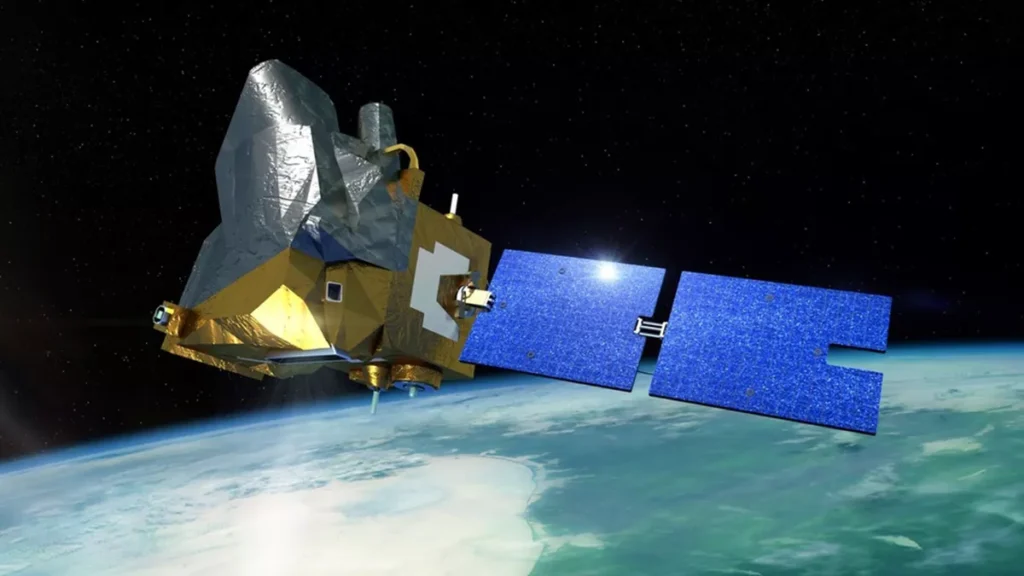
  • ISAE-SUPAERO has supplied the COBRA2M CMOS sensor to Airbus Defence and Space for the MicroCarb context imager, launched in summer 2025. This imager detects clouds with a resolution of 200 m to optimise atmospheric CO₂ measurements.

Read more

Artist's view of the MicroCarb satellite ©CNES/ill./SATTLER Oliver, 2021
RAMSES mission
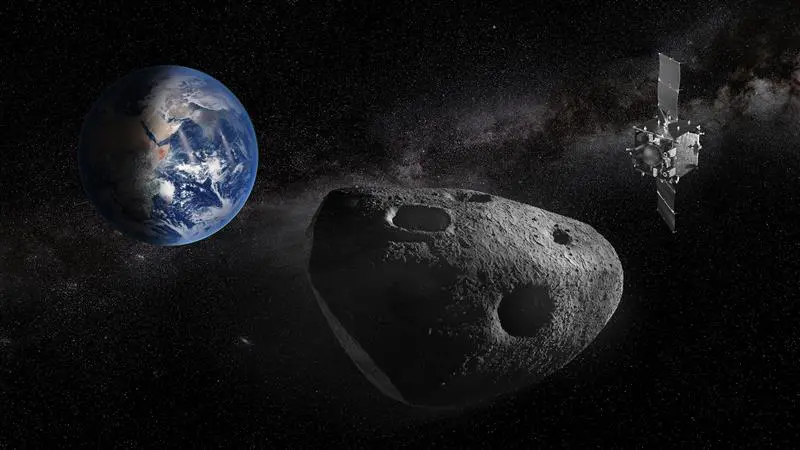
  • ISAE-SUPAERO has developed the SIA seismic instrument (three geophones) to measure the internal activity of the Apophis asteroid during the 2029 flyby by the RAMSES mission (ESA). This world first in asteroid seismology is a major contribution to planetary defence.

To find out more

ExoMars project
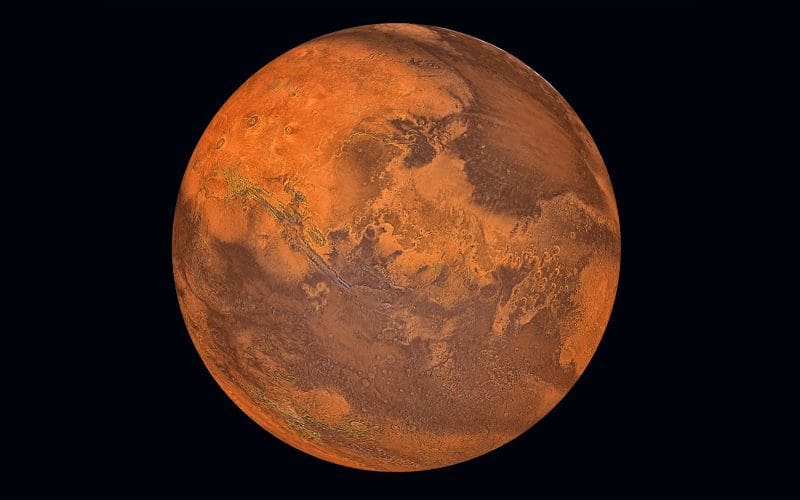
  • ISAE-SUPAERO is supplying the PACIS instrument (microphone + atmospheric sensors) for the landing platform of the Rosalind Franklin rover (ESA) in 2028-2030. This instrument will collect unique acoustic and atmospheric data in the Martian environment during descent.

To find out more

Perseverance mission
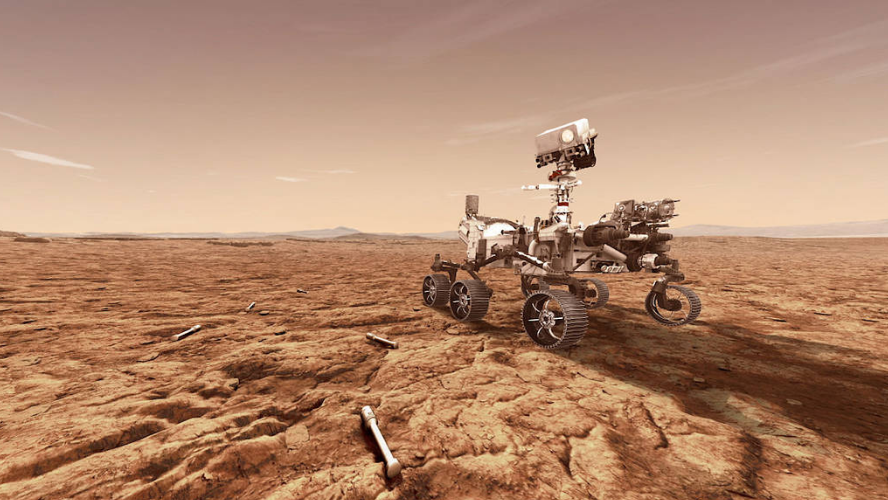
  • Since February 2021, the Perseverance rover (NASA) has been using the SuperCam microphone from ISAE-SUPAERO and IRAP to record sounds from Mars. After 21 hours of recording and more than 500,000 laser shots, the instrument is still providing valuable data on the Martian atmosphere.

To find out more

Listen to the sounds of Mars

Juno mission
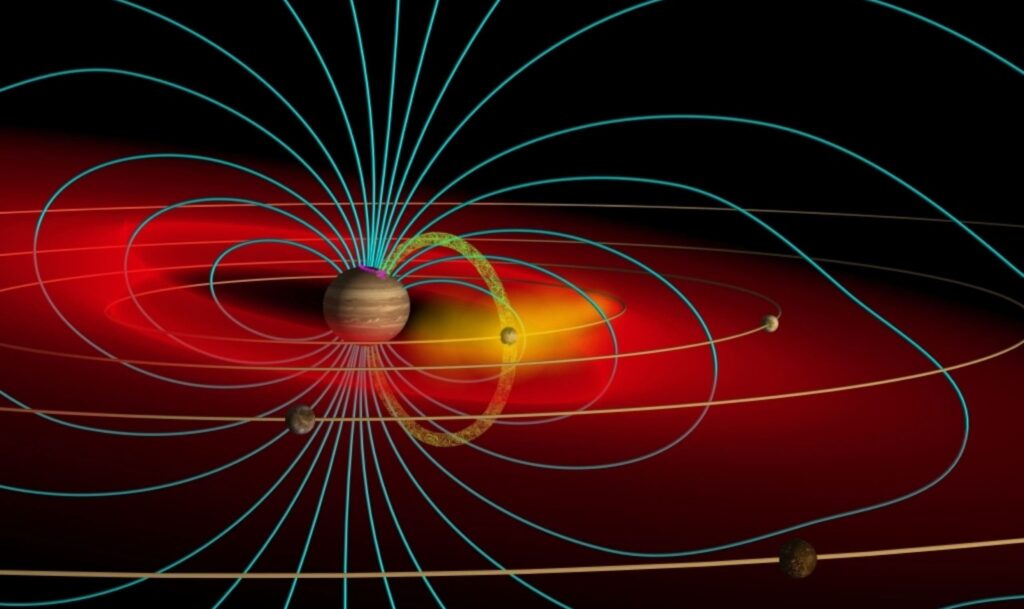
  • A study led by Nicolas André (ISAE-SUPAERO) demonstrates for the first time the existence of Callisto’s ultraviolet auroral imprint on the poles of Jupiter. This discovery adds to our understanding of the dynamic interactions within the Jovian system.

To find out more

Artemis IV mission
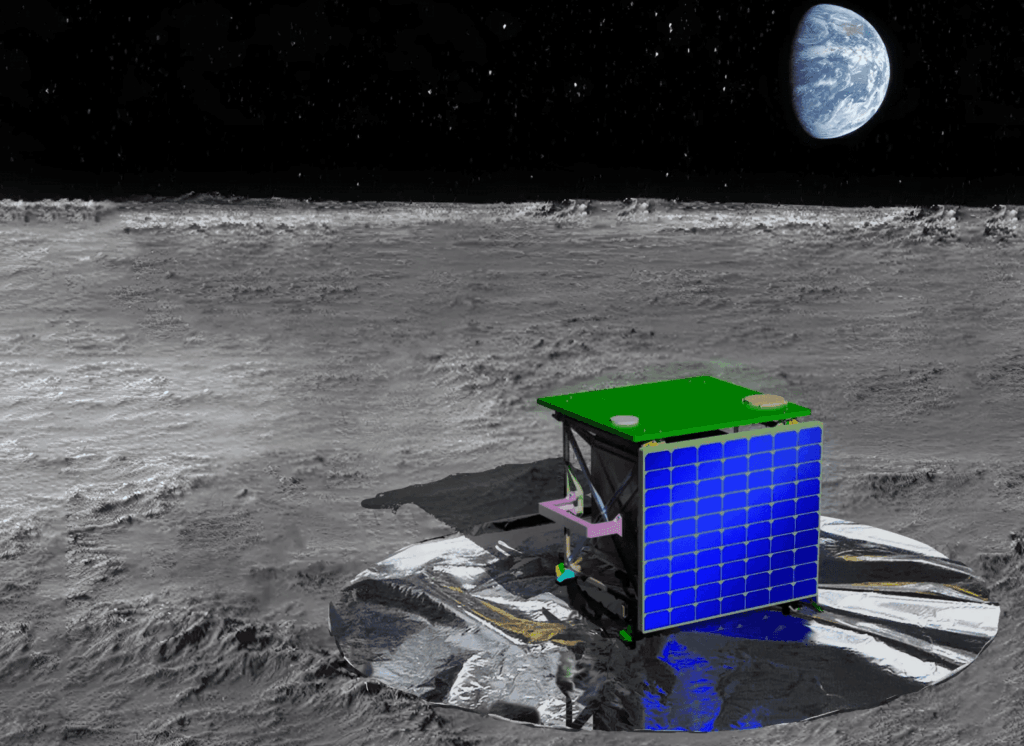
  • ISAE-SUPAERO is contributing to the development and qualification of the SPSS instrument (NASA) to measure lunar seismic activity at the South Pole in 2028. This seismic station will map the Moon’s internal structure and the geological processes of planetary bodies.

To find out more

ISAE-SUPAERO trains space talent

First year:

  • Acquisition of a solid grounding in the six fundamental disciplines of aeronautics and space.
  • Elective modules

Second year:

  • Further study in three of the six subject areas covered in the first year.
  • Elective modules

Third year:

  • A field of application: design and operation of space systems (COS)
  • An area of study: Earth Observation and the Sciences of the Universe.

3rd year options applied to the space sector.

  • Specialisation in semesters 3 and 4 by joining the ISAE-SUPAERO campus to follow courses applied to the space sector

The Advanced Master Space Systems Engineering - TAS ASTRO, accredited by the Conférence des Grandes Écoles under n°710, is a high-level, multidisciplinary course in space systems engineering and space project management.

TAS ASTRO enables students to acquire and develop technical skills specific to the design of space systems, as well as understanding the international, economic and legal aspects of space programmes.
  • The Advanced Master SPA

SPA, accredited by the Conférence des Grandes Écoles under no. 48, trains engine specialists with a solid background in general energetics and the ability to adopt a complex systems approach.

SPA leads to senior management positions with engine or aircraft manufacturers in the aerospace sector, with SII or in the field of general energy with public and private companies.

  • The Advanced Master SPAPS

SPAPS, accredited by the Conférence des Grandes Écoles under n°1085, enables students to design space applications and services using examples and experimental work.

The Defence Space Academy: a unique alliance serving France's space sovereignty!

Building up a network of defence space experts with attractive career paths is a major challenge if we are to fulfil the ambitions set out in the Defence Space Strategy. To this end, the Defence Space Academy (DSA) will be set up in 2023 to develop, structure and pass on the space expertise needed to meet France's sovereignty challenges.

The DSA brings together three major players with complementary skills:

This alliance makes it possible to respond to the new training challenges facing military space players by offering a joint range of courses covering both academic and operational aspects:

  • Space Basic Course - initial defence space training
  • Space Advanced Course - more in-depth technological and strategic training
  • Space Military Overview Course (SMOC) - international benchmark programme (5 days, in English, 22 nations represented by 2025)
  • Mastère Spécialisé® "Defence and Security in Space" (ISAE-CNES-ONERA) - training for senior officers and civilian executives
  • Degree courses at ISAE-SUPAERO, such as the MS SPAPS, currently in the process of being accredited.

The COMETES project, which stands for COmpétences et MEtiers pour l'Espace, is a national programme led by the Toulouse Community of Universities and Colleges. Co-constructed by 26 partners from five French regions, the consortium was set up as part of the "Skills and Professions of the Future" call for expressions of interest under the France 2030 programme, of which it is the winner.

To meet the growing needs of the space and New Space industries, COMETES embodies a strong collective dynamic. Supported by the Toulouse Community of Universities and Establishments in conjunction with academic institutions (in particular the ISAE group, several universities and schools and 5 university space centres), local authorities (Occitanie and Nouvelle-Aquitaine regions) and industrial players, COMETES is part of a national synergy.

Space innovation made in ISAE-SUPAERO

Founded by three ISAE-SUPAERO engineers in 2018, U-Space is now headed by Fabien Apper, an engineer who graduated in 2015.

U-Space designs and builds small satellites ready to be integrated into a constellation. The company offers both a 12U satellite and a microsatellite (the FreeForm) for the civil, commercial and defence markets.

In 2025, the company is raising €24m to conquer the global market for small satellite constellations.

Development of a self-sealing rocket, with the ABS tank serving as the fuel, containing hydrogen peroxide as the oxidiser.

Alpha Impulsion is developing a disruptive propulsion solution, a self-destructing rocket engine that will deliver major energy gains and greater autonomy for access to space. Created in December 2022, the start-up is run by engineers from ISAE-SUPAERO, who will be graduating in 2023.

The Space Flight Institute offers an intensive training programme, enabling candidates to acquire the skills needed to carry out commercial space missions and respond to emergency situations.

Led by Stéphanie Lizy-Destrez, a teacher-researcher in space systems engineering at ISAE-SUPAERO, and directed by Ugo Bonnet, an ISAE-SUPAERO engineer who graduated in 2024, the Spaceflight Institute offers the world's 1st commercial astronaut certificate.

Space in our student life

For the past 10 years, the American association Mars Society has enabled a selection of ISAE-SUPAERO students to experience life as an astronaut at a Martian base. Located in the Utah desert (USA), the scientific station will host the crew of seven students. The four-week simulation programme will involve collecting a wide range of data in order to conduct a number of scientific experiments.

This year's crew, Crew-330, will experience a unique adventure in Martian living conditions from 16 February to 15 March. The analogue astronauts will conduct experiments in collaboration with CNES, research laboratories and other partners.
partners.

To find out more, click here.

With over 50 members, its experimental rockets are innovative and increasingly ambitious. In fact, it was voted best "High-Tech" association in 2017.

In 2018, the S-Cube reached a total of 8 rockets launched since its creation in 2010. Its main objective is to design, manufacture and launch rockets. A number of projects are being developed in-house, including a supersonic rocket project, a hybrid engine project, and a vertical take-off and landing rocket project, as was the case with SpaceX.

The Supaero CubeSat Club is the institute's technical club, offering an insight into the world of space and the space industry through the design of a nano-satellite.

Code name: TOLOSAT.

The project was born out of an alliance between the club and the ASTRE association, which brings together students from INSA, ENSEEIHT, ENAC and Paul Sabatier University. They join the thirty or so Supaerians invested in the club to reach a total of 80 members involved in this project, which saw the light of day at the beginning of 2018.