Vidéo
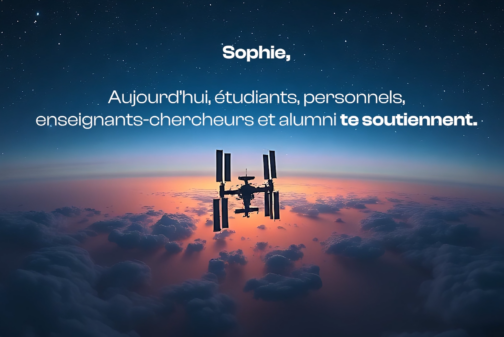
Sophie Adenot is flying out on February 11th for a eight-month mission with Crew-12 on the ISS!Today, the entire ISAE-SUPAERO community is coming together: students, staff, faculty, and alumni are showing their support for Sophie Adenot, European Space Agency (ESA) astronaut and ISAE-SUPAERO alumna, as she embarks on a eight-month mission to the ISS. Sophie is the second French woman, 30 years after Claudie Haigneré, to fly on a long-duration mission. On the ISS, she will conduct around 200 scientific experiments, including 10 French experiments, covering fields such as medicine and materials physics. Have a good flight, Sophie. We will be following you throughout this amazing journey!
Page
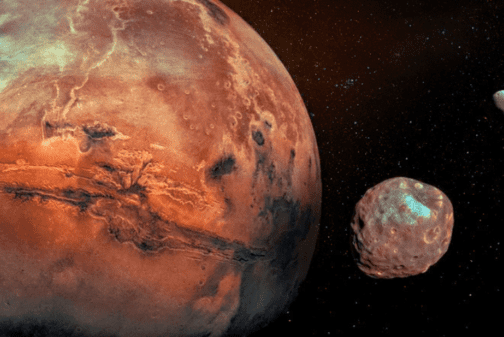
Space Systems for Planetology and Applications (SSPA) Scientific GroupThe “Space Systems for Planetology and Applications” (SSPA) scientific group focuses on one main area of research: The development of missions and associated technologies for geophysical exploration of the solar system.
Actualité
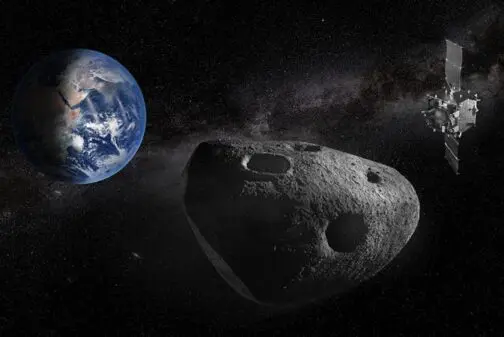
RAMSES: ISAE-SUPAERO at the heart of a historic planetary defense missionThe SIA seismometer developed by ISAE-SUPAERO is a world first for exploring the asteroid Apophis.

Page
Theory, Modelling, and Systems Engineering (ThéMIS) Scientific GroupThe “Theory, Modeling and Systems Engineering” (ThéMIS) scientific group is dedicated to the study and development of advanced methods for the design, modeling and validation of complex systems.
Actualité
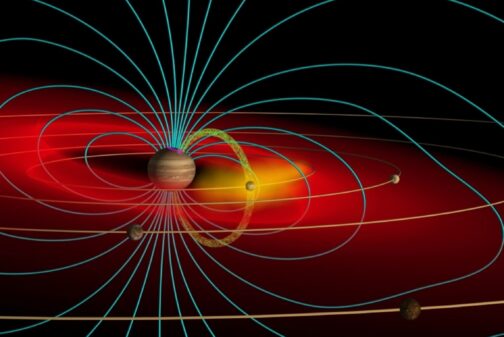
The Jupiter system: a unique laboratory for a major scientific breakthrough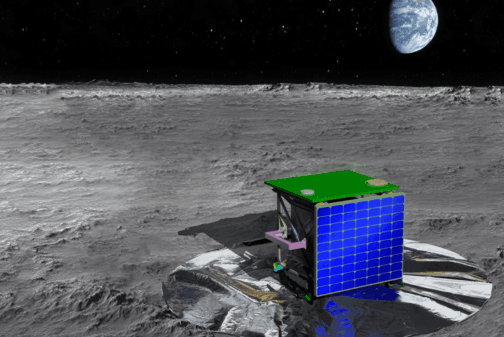
Actualité
ISAE-SUPAERO contributes to the Artemis IV mission with the SPSS seismology instrument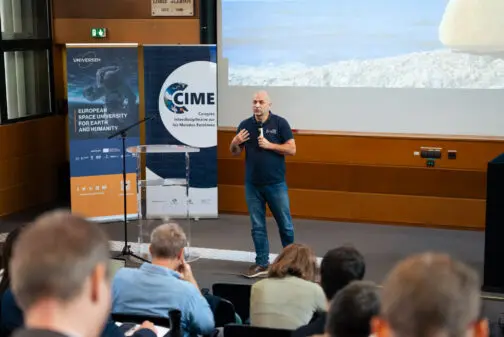
Actualité
CIME 2025: Where Science Meets Adventure to Push the Limits of Exploration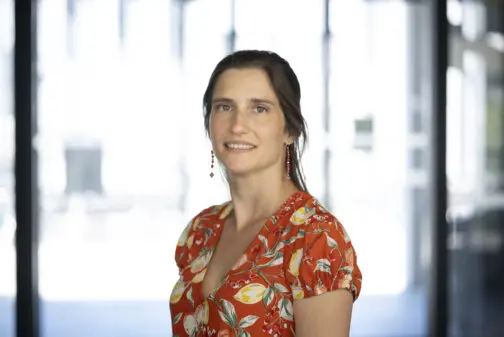
Actualité
The 2025 Edmond Brun Prize from the French Academy of Sciences awarded to Annafederica Urbano, professor at ISAE-SUPAEROOn October 28, 2025, the Academy of Sciences awarded the Edmond Brun Prize to Annafederica Urbano, professor of space launch vehicles at ISAE-SUPAERO. This biennial physics award recognizes her entire body of work in the field of space propulsion.
Page
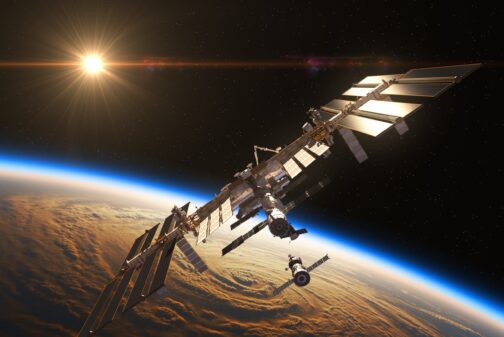
Advanced Space Concepts Laboratory – Airbus DS & ArianeGroupCreated in 2017 and renewed until 2027, this sponsorship partnership brings together Airbus Defense & Space and Ariane Group.
Page
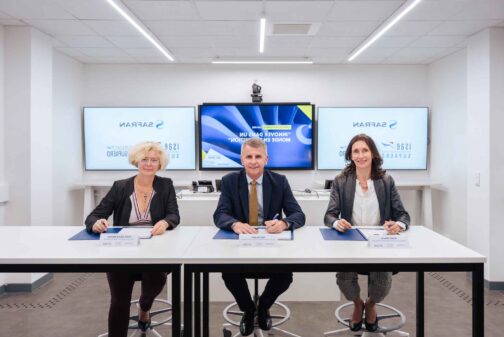
Innovating in a World of Transition – SafranThe challenges facing the aerospace industry (energy transition, New Space, digitalization) are driving a growing need for professionals with the ability to innovate. Against this backdrop, Safran and ISAE-SUPAERO are creating the Innovating in a World in Transition Chair.
Page
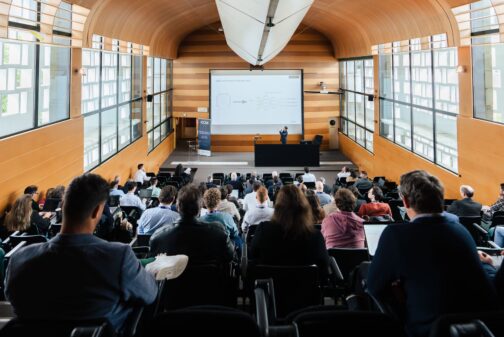
Support for the Development of the ISAE Group – GIFASGIFAS (Groupement des Industries Françaises Aéronautiques et Spatiales - French Aerospace Industries Group) supports the development of high-level academic and professional education in aerospace systems at the 6 Grandes Écoles that make up the ISAE Group (ISAE-ENSMA, ISAE-SUPMECA, ESTACA, Ecole de l'Air et de l'Espace, ENAC, ISAE-SUPAERO).
Actualité
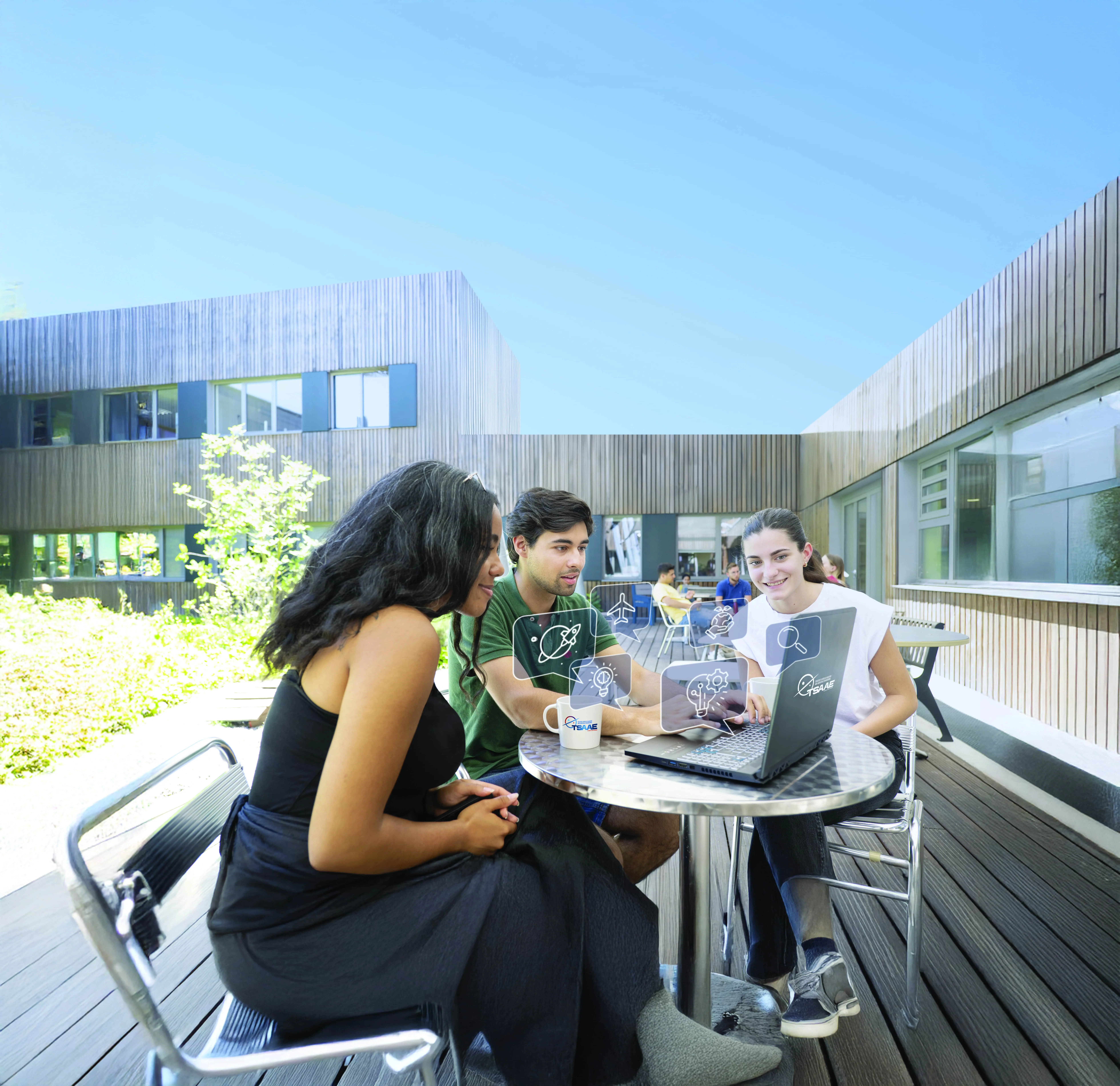
Apply today for a program at ISAE-SUPAERO or ENAC – École Nationale de l’Aviation Civile!The TSAAE application platform is now open: discover our world-renowned programs and apply online for the 2026 academic year before November 28 at midnight (French time)!

